
Which insurance in Thailand do you really need?
Do you need health insurance when you already have it in your home country?
Is there a way you can get life insurance in Thailand to protect your family in case something happens?
These are a few important questions you may be asking yourself about insurance in Thailand. Insurance is a complicated matter. It involves a lot of terms and conditions that you won’t see it everyday life.
This is why we created this guide: to show you which insurance you should get and which one you can skip as an expat in Thailand.
Contents
- Key Takeaways
- Summary of this Post
- First Things First
- Insurance Companies
- How Insurance Regulation Works in Thailand
- Health Insurance
- Life Insurance
- Car Insurance
- Personal Accident Insurance
- Property Insurance
- Travel Insurance
- Business Insurance
- Building Your Own Insurance Priority List
- How Buying, Underwriting, and Claiming Actually Works
- Next Steps
- Frequently Asked Questions
- What insurance is actually mandatory in Thailand?
- What does Thailand's Office of Insurance Commission (OIC) actually do?
- Does Social Security (SSO) replace private health insurance?
- Do I need a minimum amount of health insurance for a retirement visa?
- Is it cheaper to buy insurance direct from a company than through a broker?
- Does switching insurance companies affect coverage for a pre-existing condition?
- Sources Cited
Key Takeaways
- Health insurance is the one policy nearly every expat should have; it can save you hundreds of thousands of baht on a major medical bill.
- Car insurance is worth it given Thailand accident rate, and property insurance makes sense if you own your home but not if you rent.
- You can usually skip standalone personal accident insurance, since it often comes bundled with health cover.
- Life insurance is optional and mainly matters if you have dependents to provide for.
- You can buy insurance from local companies, offshore providers, banks, or brokers; local plans offer direct billing with hospitals but come with coverage limits.
- Brokers like CheckDi let you compare many local plans in one place at no extra cost.
- Match each policy to your own situation rather than buying everything on offer.

Summary of this Post
If you want to skip the lengthy read, here’s which insurance we recommend you get in Thailand and which we don’t:
- Health insurance: Health insurance can save you hundreds of thousands of baht on medical costs. Check out Cigna Global if you’re interested in health insurance, or compare several global insurers at once through International Citizens Insurance.
- Car insurance: With the number of car accidents each year in Thailand, we recommend you get car insurance. If you want to compare car insurance plans, check out CheckDi.
- Personal accident insurance: Since you get personal accident insurance with health insurance, you don’t need PA insurance if you have health insurance.
- Life insurance: If you want to leave something behind for your dependents, get life insurance. Otherwise, life insurance is optional. You can purchase it from a life insurance broker.
- Property insurance: If you own property in Thailand, get property insurance. If you rent, you can skip it.
- Travel insurance: If you’re traveling to or around Thailand, get travel insurance through World Nomads.
- Business insurance: If you run a business in Thailand, business insurance is optional and depends on how risky your business is.
First Things First
Insurance is great for managing risk.
You may feel like you waste money paying for insurance if you don’t use it. But when something unexpected happens, it can be a lifesaver.
To help you decide which insurance you need and don’t need, we give you an overview of seven popular insurance types for expats in Thailand.
We also point you to more detailed articles on each insurance type and where to get them.
You’ll still come across insurance types that we haven’t mentioned in this guide. And there are new insurance types being introduced every year.
Insurance Companies
Let’s talk about insurance companies in Thailand first.
The insurance industry is big in Thailand. Local and offshore insurance companies aren’t the only ones that offer insurance. Banks offer it as well.
Insurance reps are everywhere.
You might be surprised to find out that the coffee merchant in front of 7-ELEVEN or the mechanic who fixes your car might be an insurance rep. And you can get insurance from brokers all over Thailand.
But there’s no single-best insurance company in Thailand. Quality insurance depends on premiums, coverage, requirements, and personal experience.
Let’s take a look at four places that you can get insurance in Thailand.
Local Insurance Companies
Local insurance companies in Thailand offer local insurance plans for Thais and expats living in Thailand.
Getting insurance through a local company benefits you because:
- you don’t pay out of pocket
- you get quick support
- you can handle disputes in Thailand
The main benefit of these local companies is that they have direct billing systems set-up with hospitals, clinics, banks, and garages in Thailand.
When you make a claim, you don’t pay out of pocket. Instead, your insurance company takes care of the payment.
Since local companies are in Thailand, you get quick, in-person support.
And if you have any legal issues, you can file a claim through the Thai legal system, which can be much easier than filing disputes overseas.
The main disadvantage of getting insurance through local insurance companies is that you may not be used to the way their plan and system works.
Health insurance plans offered by local insurance companies, for example, come with coverage limits. This means you may only get coverage for a certain amount of treatment. Whereas back home, you might’ve had full coverage.
You can find many Thai and international insurance companies in Thailand, such as:
These companies offer all types of insurance.
Some smaller local insurance companies specialize in certain insurance types. For example, Navakij and Viriyah specialize in car insurance.
Luma Health, a specialized health insurance company, also falls into this category.
Most local insurance companies in Thailand have representatives throughout the country. They also have their own programs to teach and train anyone who wants to become a rep.
These reps can come to you and sell insurance at your place or take care of you when you encounter an accident. They may also have their own connections with hospitals.
But most reps may only be trained to sell insurance. They might not know every single exclusion. So make sure you scrutinize your prospective insurance plan.
Offshore Insurance Companies
Offshore insurance companies are international insurance companies with offices outside of Thailand that sell insurance to expats living in Thailand.
This includes ACS for health insurance.
Offshore insurance companies offer higher coverage limits than local insurance plans and their plans are more flexible.
For example, most local insurance plans are invalid once you move out of Thailand. But with offshore insurance, you might still get coverage if you move from Thailand.
However, you might find it hard to find offshore insurance from brokers in Thailand. Brokers who only sell local insurance can’t help you. They claim that offshore insurance brokers aren’t licensed to sell in Thailand.
And the brokers who do sell offshore insurance tend to keep a low profile.
Banks
When you go to banks in Thailand, you can find brochures for insurance on the bank teller’s table.
All banks in Thailand offer at least one or two insurance types.
Even government banks like Government Savings Bank and Krung Thai offer various types of insurance. Some banks like Krung Sri partner with insurance companies like Allianz to offer insurance plans like Krung Sri Life Insurance.
Banks in Thailand sell life insurance as a form of money saving and investment. The life insurance market for banks is huge. It has taken over 40% of the total life insurance market share in Thailand.
With this rise, many banks now offer more insurance choices. For example, Siam Commercial Bank sells 12 types of insurance. But brokers don’t sell insurance from these banks yet. Only bank tellers and reps do.
Brokers
Brokers are like the upgraded version of an insurance company representative. They offer insurance from many insurance companies. Brokers must also have a license from Thailand’s Office of Insurance Commission, or OIC, to sell local insurance plans.
Although brokers make money through commissions, they sell similar insurance plans to insurance companies at similar prices.
The main benefit of using an insurance broker is that you can compare a lot of insurance plans from different companies in a single place. Some brokers let you compare many different insurance plans in a single place and then buy it through them at no additional cost to you.
CheckDi is one of these brokers.
But keep in mind that local insurance brokers only offer local insurance plans. If you want to buy offshore insurance, you need to look somewhere else.
How Insurance Regulation Works in Thailand
Every insurance company and broker in Thailand, local or offshore-facing, answers to a single regulator: Thailand’s Office of Insurance Commission, the OIC. It licenses and oversees life and non-life insurers and the brokers and agents who sell their plans, and it sits under the Ministry of Finance. That’s the same OIC license required of brokers and agents to sell insurance plans.
One coverage source sits outside this OIC-regulated system entirely: Social Security. If you’re on a Thai payroll, the Social Security Office, under the Ministry of Labour, enrolls you automatically and gives you free basic hospital care at one registered facility. It isn’t a private insurance product, so it isn’t a company you shop around for, and it isn’t the same thing as your employer’s optional group health plan either. Our SSO vs. private health insurance guide compares what each one actually covers.
Out of everything covered in this guide, only one type is actually mandatory: Compulsory Third-Party Liability Insurance, or Por Ror Bor, for cars and motorcycles. The Department of Land Transport checks you have it before it will register a new vehicle or renew your annual tabs, and driving without it can mean a fine on top of the registration hold. (The law behind it is the Motor Vehicle Accident Victims Protection Act B.E. 2535, from 1992.) Health, life, personal accident, property, travel, and business insurance are all voluntary by law, whatever an insurance rep tells you.
That doesn’t mean going without them is risk-free, just that nobody can fine you for skipping them. See our guide to Por Ror Bor for what the compulsory policy actually pays out, since it’s less than most people assume.
If you’re vetting a specific company or broker rather than a whole category of insurance, our guide to insurance companies in Thailand walks through how to confirm a license and what red flags to look for with unlicensed sellers.
Health Insurance
Whether it’s checkups, surgeries, child deliveries, or vaccinations, health insurance covers you for medical care at hospitals and medical clinics in Thailand.
Health insurance companies usually work with hospitals and clinics throughout Thailand. When you visit hospitals and clinics, your insurance company pays your medical expenses to the hospital or clinic.
If a hospital or clinic doesn’t have direct billing set up with your insurance company, you need to send the receipt to your insurance company to get reimbursed.
Why Get It?
Having health insurance guarantees you medical treatment if you get sick or injured, no matter how serious.

You won’t think twice about going to a hospital if you’re sick or injured because you won’t have to pay out of pocket.
And going to the hospital early means that you can get treatment when your sickness is still in its early stages. This means you can have it treated quicker and prevent it from turning into a serious disease, which is then harder and more expensive to treat.
Having health insurance helps you budget how much you spend on healthcare each year.

Do You Need It?
It depends. We know people who always buy health insurance and we know people who go without it.
- If your company already have a group plan, you might not need it.
- If you ask us, we would say get health insurance to safeguard your health, even if you’re healthy. You can buy it for your family.
At the very least, when something unexpected happens, health insurance can save you hundreds of thousands or even millions of baht.
Although medical treatment in Thailand is cheaper than in many countries, a one-night stay can cost you over ten thousand baht at a standard private hospital.
What if You Have Insurance from Your Home Country?
Read the fine print of your insurance plan from your home country to find out if you’re covered for treatment in Thailand.
Your existing plan might cover you in Thailand or cover you only for basic treatment. For more serious treatment, you may have to fly home.
In other cases, you won’t be covered at all.
Plans
Health insurance plans in Thailand are generally available in one of three forms:
- IPD: you’re covered when you have to stay in the hospital overnight or for consecutive days
- OPD: you’re covered when you visit the hospital but leave the same day
- Premium: you’re covered for consecutive overnight hospital stays and if you leave on the same day, and you’re covered for vision, maternity, checkups, etc.
Insurance companies offer more than these three types of insurance. But in the end, it comes down to this: the higher your premium, the higher your coverage limits.
Plan for your premium to climb. Expats in the forums regularly complain about how much renewals go up each year, pushed by medical inflation and by the age bands that kick in as you get older. Retirees on a fixed income feel it hardest. That is a good reason to buy earlier rather than later.
How Much Money Can You Save With It?
You can choose from various insurance plans in Thailand, and each one comes with different coverage.

Again, the higher your premium, the better the coverage.
To give you an idea of how much money you can save with health insurance, let’s take a look at the cost of healthcare in Thailand.
In case of hospitalization, you should expect to pay around 20,000 THB per day for a standard private hospital. On average, people pay around 30,000 to 60,000 THB for a good health insurance plan in Thailand. (Verified September 2026.) This means a two-day hospitalization would already pay off the insurance premium.
If surgery is involved, costs can range from 50,000 to 200,000 THB. Thailand Starter Kit founder Karsten Aichholz had minor respiratory surgery at Bumrungrad Hospital. He stayed at the hospital for only one night, but the costs came to almost 300,000 THB. Luckily, he had insurance.
However, in our opinion, when buying health insurance, it isn’t about decreasing your medical costs. It’s more about safeguarding your finances. You know how much you’ll pay for your health per year. When something unexpected happens, you won’t go bankrupt.
As a plus, there are two additional benefits:
- Quality Treatment: health insurance ensures quality treatment. You can receive care at a good hospital without having to worry much about the cost.
- Faster Recovery: By going to the hospital early, your symptoms have a chance to recover faster.
Where to Get It?
You can buy health insurance in Thailand either through insurance companies or insurance brokers. There’s not a major difference between the two. You can get the same plan with similar coverage for the same premium.
One point expats raise often is direct billing. If your insurer settles straight with the hospital, you avoid paying a large bill up front and claiming it back later. Many also say a broker earns their keep at claim time, since chasing an insurer is easier when someone else does it for you.
And you can buy either local or offshore insurance.
You can choose between many international insurance plans that cover you in Thailand. ACS is one of them. The best part about offshore insurance is that coverage limits are higher than those for local insurance.
If you want to get insurance from a local company where you can just pick up the phone and call them when you need help, we recommend Luma.
Read our in-depth guide to health insurance to find out where to get insurance.
Life Insurance
Not the first insurance people tend to take out, but hopefully also not the last. I’d say if you have kids or a spouse that are financially dependent on you – a situation that’s anything but rare in Thailand – get at least some kind of coverage. They don’t necessarily need to be set for life, but giving them some extra breathing room for a few years if the worst happens, always struck me as a decent choice.
I put together a more in-depth article going over all the considerations that go into getting life insurance and also wrote a review about Tenzing Pacific – the life insurance broker I ultimately went with.
Car Insurance
Car insurance covers you if you have to fix or replace your car due to accidents. It also covers you for injuries or deaths caused by car accidents.
And if you get into an accident, a car insurance agent comes to the scene to help find out who is responsible for the accident.
Depending on your insurance plan, you can repair your car at any garage that partners with your car insurance company, whether it’s a dealership or garage.
Why Get It?
In addition to saving you money on repairs or accidents, especially if injuries or deaths are involved, car insurance gives you two more benefits.
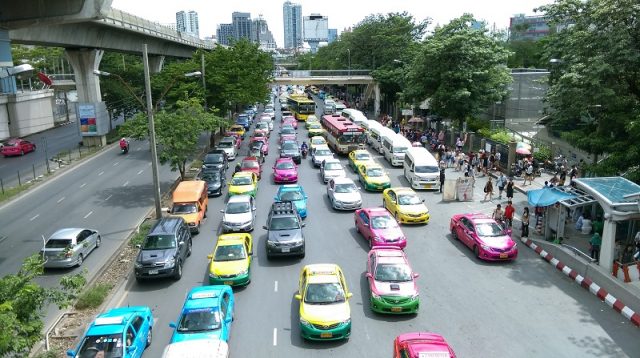
The first benefit is that the insurance company sends someone out on your behalf to see who was at fault when you have an accident. This is especially helpful if you can’t speak Thai. You won’t be blamed for the accident because of language barriers.
If you have car insurance, all you need to do is call your insurance company and have their agent take care of the accident.


The second benefit is that car insurance helps you stay out of court. Without car insurance, compensation and repair costs are mainly negotiated.
If you can’t come to an agreement with the other people involved, you may find yourself in court. And then you need to hire a lawyer in Thailand.
Do You Need It?
If you own a car in Thailand, we recommend getting car insurance.
On average, road accidents cause more than 24,000 deaths a year, or 66 deaths a day, in Thailand. Thailand’s roads are among the most dangerous in the world. On average, 1,089 accidents happen every day in Thailand.
What Does this Number Mean to You?
As long as you drive in Thailand, you run the risk of getting into an accident, especially if you just moved here and aren’t used to driving in Thailand.
Although you must have Compulsory Third-Party Liability Insurance, or Por Ror Bor, it only covers you for basic medical treatment.
What if You Import Your Car into Thailand?
You need car insurance if you want to ship your car to Thailand. Insurance for imported cars tends to be much more expensive, especially for models that aren’t available in Thailand.
Plans
Car insurance in Thailand is generally separated into three types:
- Type One: the most expensive and the most comprehensive plan that covers everything related to car accidents
- Type Two: the second-most expensive type with similar coverage to Type One, but doesn’t cover you for accidents that don’t involve third parties
- Type Three: the cheapest type available that covers you only for medical expenses and third-party liability
In addition to these three plans, you could see plans like Type Two Plus or Type Three Plus.
Basically, it’s an upgraded version of that type and comes with better coverage. But the total coverage is still lower than its parent insurance.
For example, you get more coverage with Type Two Plus than you would with Type Two, but less coverage with Type Two Plus than with Type One.
Not all insurance companies offer free rental cars if your car is under repair, even with Type One insurance. This depends more on how many spare cars are available at the garage and add-in on your insurance plan.
Car insurance premiums in Thailand can go up if you claim too many times in a year or cause a car accident. The increase in premium is case-by-case.
On the other hand, if you don’t make any claims or cause any accidents, you can negotiate lower premiums.
The increase and decrease of premiums can be anywhere from 10% to 40%.
How Much Money Can You Save with It?
The average cost of Type One car insurance is around THB18,000 per year for a sedan. (Verified September 2026.)
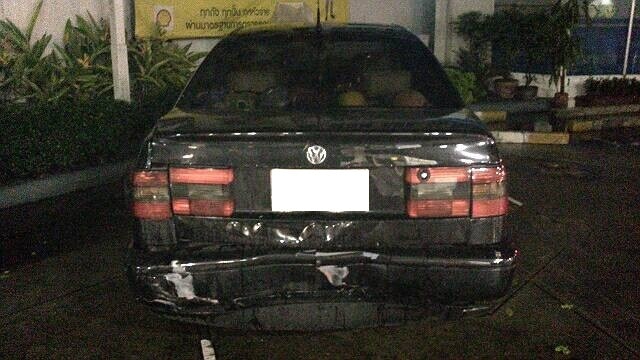
Repair costs depend on many factors, including your car make, model, and how serious the damage is.
- Generally speaking, the cost of repairing a scratch is THB3,000. If you need many parts repaired, you could pay around THB20,000 to THB30,000.
- For serious damage, repairs can easily cost over THB100,000.
But these costs still don’t include the cost of medical treatment.
If you have minor car accidents once every few years, you won’t save money from car insurance. But if you get into a serious accident, you can save hundreds of thousands of baht. This is especially true if you get into an accident with a BMW, Mercedes, or Porsche, which can cost two-to-three times higher than fixing other cars.
Where to Get It?
A popular way to buy car insurance in Thailand is through a broker.
The price is the same as if you buy directly from an insurance company, but you have more choices.
Brokers can also help you make claims and deal with mechanics.
If you choose to buy with a broker, check out CheckDi. On the website, you can compare car insurance plans and buy the best one for your needs.
If you buy through CheckDi, you get the peace of mind knowing they’ll help you if you have an accident.
You can also buy car insurance from insurance companies. Popular car insurance companies in Thailand are:
Read our guide to car insurance in Thailand to find out more about buying car insurance.
Personal Accident Insurance
Personal Accident insurance, or PA, covers you for medical, disability, and death caused by travel and road accidents, slipping, sports, and even dog bites.
If you have to stay in the hospital, you also get daily compensation.
But unlike with health insurance, you won’t be covered if you get sick. For example, if you get a cold and need to be admitted to the hospital, you won’t be covered by PA insurance.
On the other hand, if you get hit by a motorcycle while walking on the sidewalk and get injured, PA insurance pays for x-ray and surgery costs.
But PA insurance won’t cover you if you get injured while on drugs or under the influence of alcohol, get into a fight, or willingly harm yourself.
Why Get It?
As the name suggests, PA insurance covers you for any accidents that happen.

The most common accidents in Thailand are road accidents. And they can happen even if you don’t drive. You can get hit by a motorcycle while walking on a sidewalk.
Although all cars and motorcycles in Thailand are required to have Compulsory Third-Party Liability Insurance, the medical coverage is never enough.
Having PA insurance assures that you’re covered for all accidents in Thailand, not just road accidents.
Do You Need It?
PA insurance is usually included in health insurance. So, if you have health insurance, you don’t need PA insurance unless you want more coverage for accidents.
If you don’t have health insurance, then getting PA insurance mainly depends on your job and lifestyle.
If you ride motorcycles, your neighborhood is full of street dogs, or you love to do risky activities, you should get PA insurance.
But if you are a digital nomad who works in an air-conditioned room, watches movies, and travels to safe areas, you might not need PA insurance.
Getting PA insurance is a good idea for retirees in Thailand who are 65 or older. At this age, it’s hard to find health insurance. But you can still get PA insurance.
Certain insurance companies or banks have PA insurance for retirees.
Kasikorn Bank, for example, has a plan for 55- to 99-year-olds.
Although it won’t cover you if you’re sick, at least you’re covered if you fall down and get injured, which does happen at this stage of life.
Plans
There are usually two available choices for PA insurance:
- Plan 1: covers you for death, disability, and medical expenses caused by accidents
- Plan 2: more expensive than Plan 1 but gives you more coverage and might also cover you if you get admitted to the hospital
In addition to age, the premium for PA insurance depends on how risky your life is. The riskier your life, the higher the premium.
Risky lifestyles are categorized into four groups:
- Group 1: office workers who work indoors
- Group 2: those who work outside
- Group 3: those who work with machines, such as engineers and handymen
- Group 4: those who work in risky activities, such as stuntpeople, race car drivers, and hikers
Premiums are cheapest for Group 1 and more expensive for Group 4.
How Much Money Can You Save with It?
Although PA insurance only comes with accident coverage, the average premium is only a few thousand baht per year, or less than ten baht per day.
PA insurance comes with a million baht coverage for death and disability and THB50,000 for hospitalization. (Verified September 2026.) Treatment costs depend on how serious the accident is and which hospital you go to.
Generally speaking, having a cast put on a broken bone shouldn’t cost you more than THB10,000. If you need surgery, it can cost you THB100,000 or more.
Therefore, buying PA insurance is hit or miss. If you have an accident, you’re going to save a lot of money by having PA insurance. If you don’t have any accidents, then at least you have the peace of mind that comes with being covered.
Where to Get It?
PA insurance is available in Thailand. You can get it at insurance companies in Thailand like:
- Muang Thai Insurance
- Cigna
- AXA
You can also get it from the following banks:
- Kasikorn Bank
- Bangkok Bank
- SCB
- KTB
You won’t notice a major difference between buying PA insurance from insurance companies or banks. You only need to check which one carries the best plan for you.
Property Insurance
Property insurance covers your properties and belongings inside from natural and man-made disasters. It protects you in case of fires, lightning strikes, earthquakes, storms, and hailstorms.
Since floods are common in Thailand, property insurance doesn’t cover floods unless you buy an add-on.
Regarding man-made disasters, if someone accidentally hits your house while driving, your house is covered. If a plane crashes into your house, you’re covered.
But if you drive into your house, property insurance doesn’t cover you.
Property insurance also comes with burglary protection. If your house gets broken into, you can claim money back from your insurance company.
Why Get It?
Property insurance is a good way to protect your property and make sure you don’t lose a lot of money if something happens to your property.
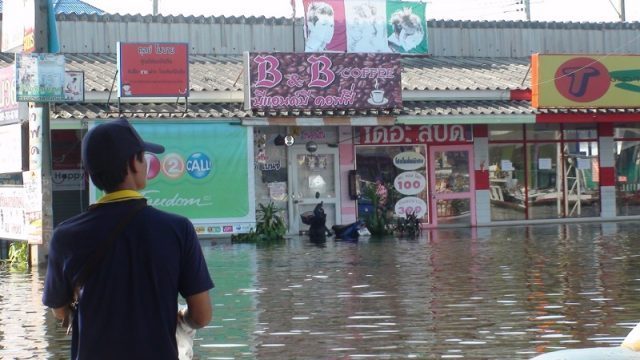
Although earthquakes are rare, fires and floods do happen. And when they do, they cause severe damage to property.
Property insurance only covers unexpected incidents. If you have to fix your leaking roof, property insurance won’t cover you.
Do You Need It?
Property insurance is optional.
If you’re confident that your home has good security, a fire prevention system, and is risk-free from any disasters, you don’t need it.
On the other hand, if you live in an area that has a history of disasters, it’s better to get property insurance.
If you rent, you don’t need property insurance. Property insurance is only for property owners.
Plans
When it comes to property insurance, you have two choices for insuring your house or condo:
- A basic plan that covers fires, earthquakes, and lightning strikes
- An add-on plan that covers you for the above, plus floods, burglaries, and damage to electric appliances caused by lightning strikes
Some insurance companies may offer more coverage than this. But you’ll pay a higher premium for more coverage.
How Much Money Can You Save With It?
Similar to personal accident insurance, having property insurance is hit or miss since you use it only when your property is damaged.
The chance of this happening is slim. But if an accident does happen, you’re going to pay a lot of money out of pocket.
As you can see from this plan offered by Bangkok Bank, average premiums start at THB3,200 per year for THB1,000,000 limits. (Verified September 2026.)
But you can save several hundreds of thousands of baht if you have one major accident at your house.
Let’s just hope that never happens.
Where to Get It
Although information on property insurance is rarely available in English, most insurance companies and banks in Thailand offer it.
You can also get it from a broker like CheckDi. CheckDi lets you compare many insurance plans at once so you can see which one is best for you.
Unlike life insurance, property insurance details are easy to understand. You won’t need to talk to a financial advisor about it.
You only need to get the plan that has the best coverage for the disaster that’s likely to happen to your property.
Travel Insurance
Travel insurance covers you for any accident you have while traveling to Thailand.
- If you get into a car or motorcycle accident, travel insurance covers you.
- If you get stung by a jellyfish, travel insurance covers you.
- If you break your leg while hiking, travel insurance covers you.
- If your flight or your baggage is delayed, travel insurance covers you.
- If you get sick, travel insurance also covers you.
But travel insurance only covers you for unforeseen incidents. If you get sick before traveling to Thailand, travel insurance won’t cover you.
Some insurance plans go as far as denying you coverage if you get a new driving license in Thailand and have an accident.
Also, travel insurance is only available for a set amount of time. Many times, you can only buy travel insurance for up to three months of coverage.
Why Get It?
The main benefit of having travel insurance is that it can save you money if you have a medical emergency.
If you get sick or have an accident during your vacation in Thailand, you can call an ambulance or a medical helicopter to bring you to a nearby hospital.
Depending on the seriousness of your case, travel insurance companies may fly you home so you can get treatment in your home country.
If this happens, your travel insurance covers the medical transportation and treatment costs.
Also, travel insurance covers you for flight cancellations, delayed bags, stolen gear, and so on.
Travel insurance companies reimburse you for your losses or damages during these incidents.
Do You Need It?
If you travel to Thailand, you should get travel insurance.
This way you can enjoy all the activities you want to do in Thailand without having to worry about unexpected costs if you get sick or injured.
A lot of activities in Thailand involve some risk. And not just Muay Thai or ziplining, but also jet skiing, snorkeling, scuba diving, cycling, and even driving.
Accidents happen in Thailand more than you think. But they’re not always car or boat crashes.
You’re more likely to get stung by jellyfish, twist an ankle while hiking, or get food poisoning from street food.
With travel insurance, you can go to any hospital and get immediate treatment without having to worry about how much cash you have.
How Much Money Can You Save with It?
The cost of medical treatment while traveling doesn’t only come down to hospital fees. It could include medical evacuation costs as well.
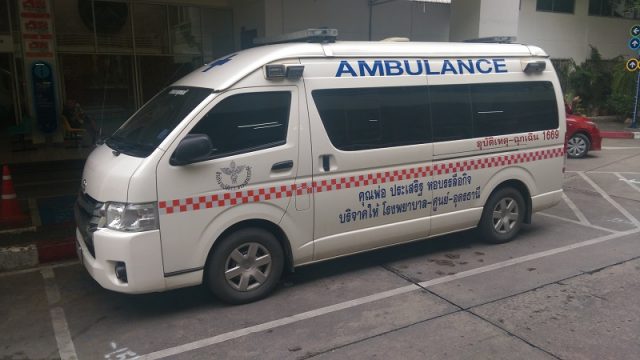
In serious cases, you can’t take a taxi to get you to a nearby hospital. Instead, you need to call an ambulance, which can cost you ten thousand baht.
If you have a life-threatening accident while diving a motorcycle in Ko Phangan, you need a medical helicopter to fly you to the nearest capable hospital.
This could easily cost you several hundreds of thousands of baht.
Compared to the average travel insurance premium of US$10, or THB320 per day, you can easily save hundreds of thousands of baht with travel insurance.
Plans
You have two choices when buying travel insurance: standard plans and premium plans.
Standard plans come with basic coverage for hospital stays, medical evacuations, theft protection, and delayed bags.
Premium plans come with higher coverage limits and coverage on rental vehicles, sports activities, and hijackings.
Where to Get It
Travel insurance is very easy to buy. You can buy it online on the travel insurance company’s website. Just remember to get travel insurance at least one day before traveling to Thailand.
Because of this, most insurance companies in Thailand don’t sell travel insurance for Thailand. Instead, you have to buy it from an insurance company outside of Thailand.
One travel insurance company we recommend is World Nomads. They have good coverage for Thailand vacations.
If you want to find out more about travel insurance, read our guide to travel insurance in Thailand.
Business Insurance
Business insurance, or commercial insurance, is an insurance plan for people who run a business in Thailand.

With business insurance, you get all the insurance types mentioned above packed into one plan. And business insurance covers business owners and all of their employees.
If your company holds a team-building event in Khao Yai, and you rent a bus for your employees but it crashes and causes casualties, everyone is covered.
Business insurance also covers people who get injured while visiting your company or when someone files a lawsuit against your business.
You can say that business insurance covers your business from all angles.
Why Get It?
Business insurance is a good way to manage potential risks in your company. Since running a business involves many people and factors, you can’t keep everything under control.
Having business insurance doesn’t prevent risks. But when things happen, you know what to do next, and know who’s going to cover it.
This way you can resume your business without spending time trying to figure out a solution. The faster you can get back to running your business after an incident, the better off your business is.
Do You Need It?
This depends on your business type and the potential risks you encounter.
If you open a restaurant in Thailand, you should get commercial property insurance in case of a fire.
If you open a consulting business, you should get professional liability insurance to protect your company from civil lawsuits filed by your clients.
If you open an international school, business insurance with student accident coverage protects your students from accidents that happen at the school.
If you run a risk-free BOI-promoted software company, you should get group health insurance so your employees stay healthy and productive.
All-in-all, having business insurance is optional. It all depends on your policy with risk management.
Plans
There are various plans available for business insurance. And you can get business insurance for any business you run in Thailand.
Each plan has specific coverage. When you buy commercial property insurance, it only comes with property damage coverage.
If you want to have profit compensation if your company suffers from a disaster, then you need to get business interruption insurance.
The most basic plan is commercial general liability insurance. This comes with business risk coverage for injuries and property damage due to running a business.
But not all commercial insurance plans are stand-alone plans.
For example, you can’t get business interruption insurance without buying commercial property insurance.
Where to Get It?
Although business insurance is available at any insurance company in Thailand, it’s a good idea to talk to a reliable broker or financial advisor.
Buying business insurance is complicated. You need to find out the coverage needs of your business and find the best plan based on those needs.
Plan premiums and coverage depend on what you need and your company’s situation. Business insurance is tailor-made rather than fixed.
If you want business insurance, send us an email on our contact page. We’ll put you in touch with a reliable broker.
Building Your Own Insurance Priority List
With only Por Ror Bor legally required, the other six types come down to your own circumstances. Here’s how we’d rank them if we were starting from zero, matched to specific expat situations already covered in more depth elsewhere on the site.
- You’re on a work permit with a Thai employer: check what your group health plan actually covers before buying anything extra, and confirm whether you’re also enrolled in Social Security. The two aren’t the same thing, and neither replaces the other for everything. Our group health insurance guide covers what employer plans typically include.
- You’re on a retirement visa, Non-O, O-A, or O-X: health insurance minimums are only mandatory on O-A and O-X, not the standard Non-O. If you hold or plan to apply for O-A or O-X, check the current minimum with your embassy before shopping, since not every embassy applies the same figure. See our retirement visa insurance requirements guide.
- You have a spouse or kids depending on your income: life insurance moves up the list, and so does buying family health cover as one policy rather than several. Our family health insurance guide covers what to look for when insuring dependents together.
- You’re a remote worker or digital nomad without a Thai employer: you have no group plan and usually no SSO enrollment, so an individual health plan carries more weight than it would for someone with employer cover. Our digital nomad health insurance guide goes through the visa and coverage options that fit that situation.
- You own your home or condo: property insurance jumps ahead of several of the optional types above, particularly if you’re outside central Bangkok in a flood-prone area.
- You drive or ride a motorcycle regularly: Por Ror Bor alone won’t cover your own vehicle’s repairs, so voluntary Type 1, 2, or 3 car cover, or its motorcycle equivalent, is worth adding even though it’s optional. See our motorbike insurance guide if you ride.
None of this replaces reading the actual policy wording. But matching the type of insurance to why you’re actually in Thailand, rather than buying whatever a rep is selling that week, is the difference between coverage that fits and coverage you paid for and never use.
How Buying, Underwriting, and Claiming Actually Works
Whichever type you buy, from a company or through a broker, the process is roughly the same. You fill out a proposal form, in health and life insurance’s case usually with medical questions or a full health declaration, and the insurer sets your premium and any exclusions before the policy starts. Property, travel, and car insurance ask fewer questions upfront, and rely more on the claim itself to check what happened.
Most Thailand policies bill annually rather than monthly. That single payment is one reason renewal season stings: you’re not just paying a subscription, you’re re-underwriting a full year of risk at once, and a bad claims year can push next year’s quote up sharply for both health and car insurance premiums.
Paying annually doesn’t always mean paying all at once. Several banks and insurers offer 0 percent installment plans on the premium, usually over three, six, or ten months through a linked credit card. It’s worth asking about this specifically, since it isn’t always advertised alongside the plan itself.
Switching insurers resets this. A new insurer medically underwrites you again from scratch, so a condition your current insurer already covers can come back as an exclusion with a new company, sometimes for years. This is the main reason to buy health insurance earlier rather than later: a clean underwriting history is worth more than a slightly cheaper premium down the line.
On claims, the same direct-billing-versus-reimbursement split covered under Health Insurance applies to car, property, and travel claims too. A garage, hospital, or repair shop that has a direct billing agreement with your insurer settles with them, not you, and without one, you pay first and submit receipts. Ask about this before you need it, not after, since it isn’t always obvious from the policy document alone.
Next Steps
If you’ve made it this far and still aren’t sure which insurance you should get, feel free to get in touch with us and tell us what you need.
We’ll answer your question as best as we can. And if we can’t, we’ll put you in touch with an expert who can help you.
Frequently Asked Questions
What insurance is actually mandatory in Thailand?
Only Compulsory Third-Party Liability Insurance (Por Ror Bor) for cars and motorcycles, required under the Motor Vehicle Accident Victims Protection Act B.E. 2535. Every other type covered in this guide, including health, life, property, travel, and business insurance, is voluntary by law.
What does Thailand’s Office of Insurance Commission (OIC) actually do?
The OIC is Thailand’s insurance regulator. It licenses and supervises life and non-life insurance companies, brokers, and agents, and reports to the Ministry of Finance.
Does Social Security (SSO) replace private health insurance?
Not necessarily. SSO gives Thai-payroll employees free basic care at one registered hospital, but restricts your choice of facility and typically has longer wait times than a private plan. See our SSO vs. private health insurance guide for the full comparison.
Do I need a minimum amount of health insurance for a retirement visa?
Only if you hold or are applying for an O-A or O-X visa; the standard Non-O retirement visa carries no health insurance requirement. Minimums are set at the embassy level and aren’t applied uniformly, so confirm the current figure with the embassy you’re applying through. Our retirement visa insurance requirements guide covers this in detail.
Is it cheaper to buy insurance direct from a company than through a broker?
Usually not. Brokers earn a commission, but they typically sell the same plans at the same price as buying direct, and let you compare multiple insurers in one place.
Does switching insurance companies affect coverage for a pre-existing condition?
Yes, usually. A new insurer underwrites you from scratch, so a condition your current insurer already covers can come back as an exclusion under a new policy, sometimes for years. This is a strong argument for staying with a stable long-term insurer rather than switching for a marginally lower premium.
Sources Cited
- Office of Insurance Commission (OIC), Thailand: the regulator that licenses the insurance companies and brokers selling local plans in Thailand.

Accuracy checked by Carsten Creutzburg
Carsten Creutzburg is a licensed insurance broker in Thailand with over a decade of experience helping expats arrange international health and life insurance, known for detailed side-by-side comparisons of major insurers.


 Deutsch:
 Français:
 Español: