Thinking about retiring in Thailand? This guide is built on the real experience of Pat and Rae, a retired couple from Brisbane who cut their cost of living to about 40 percent of what they spent in Australia. It covers the visas, the real costs, finding a place to live, what healthcare actually looks like, and what daily life feels like once the honeymoon period wears off.
“What pushed us from investigating to actually moving was crunching the numbers with an independent financial advisor and accountant, who confirmed it was viable. We were in our mid-50s when we sold our house in Brisbane, shed all but 100kg of belongings, and moved to Thailand. It’s one of the best decisions we’ve made.”
— Pat and Rae, a retired couple from Australia
Contents
- Why Thailand?
- Visa Options
- The Cost of Retiring
- Health Insurance
- Healthcare
- Where to Live
- Renting vs Buying
- Planning Before You Go
- Activities and Daily Life
- Building a Life
- Challenges
- Have an Exit Plan
- Recommended Service Providers for Retirees in Thailand
- Recommended Articles for Retirees in Thailand
- Latest Articles for Retirees in Thailand
Why Thailand?
The case for Thailand as a retirement destination isn’t hard to make:
- Low cost of living compared to most Western countries
- Affordable private healthcare at genuinely high quality
- Warm climate year-round and easy access to neighboring countries
- An established expat community in most major cities
- The ability to buy property (with some caveats we’ll get to)
For Pat and Rae, the decision came down to maths. With Australia’s pension age rising and healthcare costs climbing, a comfortable retirement at home looked years off. They were in their mid-50s when they sold the house in Brisbane, pared their belongings down to 100kg, and made the move, after an independent financial advisor confirmed the numbers worked.
Visa Options
Getting your visa right is the most important practical step. There are four main routes for retirees.
Non-Immigrant O-A Visa (the standard retirement visa)
The classic route. You must be 50 or older and meet one of these financial requirements:
- At least THB800,000 in a Thai bank account, held for a required period before and after applying
- Monthly income or pension of at least THB65,000
- A combination of savings and income totaling THB800,000 a year
You also need proof of health insurance, a police clearance certificate, and a medical certificate. The visa is valid for one year and renewable annually.
Tip about health insurance: the insurance requirement only applies to the Non O-A visa. If you’d rather avoid it, apply for a Non-O visa instead (similar requirements, no insurance), then extend your stay based on retirement once you’re in Thailand.
Read more: Our Thailand retirement visa guide and the mandatory health insurance rules for retirees.
Thailand Privilege Visa (formerly Thailand Elite)
A government-backed membership program rather than a traditional visa. You pay a one-time fee for long-term stay permission, with no income or bank balance requirements. In 2026, tiers run from THB650,000 to THB5,000,000, with validity from 5 to 20 years.
You trade a large upfront cost for significantly less immigration admin: no annual bank balance maintenance, no 90-day reporting at the local office (it’s handled for you), and a VIP lane at the airport. Many retirees tired of the standard renewal cycle have switched to this.
Long-Term Resident (LTR) Visa
A 10-year renewable visa for higher-income retirees. For the Wealthy Pensioner category you need to be 50 or older with passive income of at least US$80,000 per year (or US$40,000 combined with US$250,000 in specific Thai assets). The application fee is THB50,000, and benefits include annual reporting instead of 90-day reporting and potential tax advantages on qualifying foreign income.
Read more: Our LTR visa guide for retirees.
Destination Thailand Visa (DTV)
Mainly a digital nomad visa, but some retirees prefer it because it’s easier to get and has no insurance requirement. You need THB500,000 in the bank plus proof of remote work, or enrollment in a Muay Thai or cooking course under the soft-power category. Note that it’s treated as a tourist visa, so you can’t open a Thai bank account with it or convert it to permanent residence.
Which One Should You Get?
- Standard retirement visa if you’re on a modest budget and don’t mind the annual compliance.
- Thailand Privilege if you have the upfront capital and want minimal admin long term.
- LTR if your passive income is US$80,000 or more and you want maximum stability and the best tax position.
- DTV if you can’t get a standard retirement visa.
The Cost of Retiring
The honest answer to “how much does it cost?” is that it depends heavily on where and how you live. Some people genuinely retire here on THB50,000 a month or less in smaller towns. Others spend far more. Here’s what Pat and Rae actually spend as a retired couple in 2026.

Tip: before mapping out your own numbers, run them through our Thailand cost of living calculator for a personalised monthly estimate.
| Expense | THB/month | US$/month |
|---|---|---|
| Food | 18,883 | 601 |
| Eating out and entertainment | 17,653 | 562 |
| Alcohol | 2,841 | 90 |
| Medical | 3,680 | 117 |
| Health insurance | 14,456 | 460 |
| Personal care | 1,288 | 41 |
| Sports and fitness | 3,565 | 113 |
| Clothing | 2,783 | 89 |
| Thai lessons | 1,668 | 53 |
| Vacations | 4,111 | 131 |
| Electricity and water | 3,203 | 102 |
| Internet and phone | 1,438 | 46 |
| House repairs and maintenance | 3,042 | 97 |
| Gas | 2,628 | 84 |
| Total | 95,393 | 3,037 |
Their costs are higher than many retired couples here because they own a house with a pool, they travel, and they don’t scrimp on insurance. You can retire comfortably for considerably less if you rent a condo, eat locally, and skip the car. Typical monthly ranges:
- Budget lifestyle: THB40,000 to THB60,000 (modest apartment, mostly local food, basic transport)
- Comfortable lifestyle: THB60,000 to THB100,000 (decent condo or rented house, mix of dining out and cooking, some travel)
- Pat and Rae lifestyle: THB95,000+ (house with pool, car, health insurance, regular holidays)
Most people underestimate setup costs: airfare, two or three months of accommodation upfront, health insurance (which gets more expensive as you age), and shipping belongings or replacing what you left behind.
Health Insurance
Medical care here is much cheaper than in the West, but a serious illness can still produce significant bills. Insurance is not optional if you go with the O-A retirement visa. Options that come up regularly in the expat community:
- Cigna Global Senior Plan: designed for those over 60, with a US$1,000,000 annual limit including cancer coverage and no upper age limit.
- Luma Health Long Stay Care Plan: around THB22,000 a year with a THB100,000 deductible for 70-year-old males. Affordable and meets visa requirements.
- Pacific Cross and AXA Thailand: commonly used local plans with a range of tiers.
Don’t wait until you’re 60 to sort this. By then you may have a condition insurers will treat as pre-existing and exclude. Get a good policy while you’re still relatively young and healthy, and look for a lifetime renewal guarantee, explicit cancer coverage, and more than the visa minimums (THB400,000 inpatient and THB40,000 outpatient).
Budget for medical inflation, too. Moving from the 50–54 age band to 55–59 can raise premiums by around 20 percent, and the 55–59 to 60–64 jump can add another 25 percent or more.
Healthcare
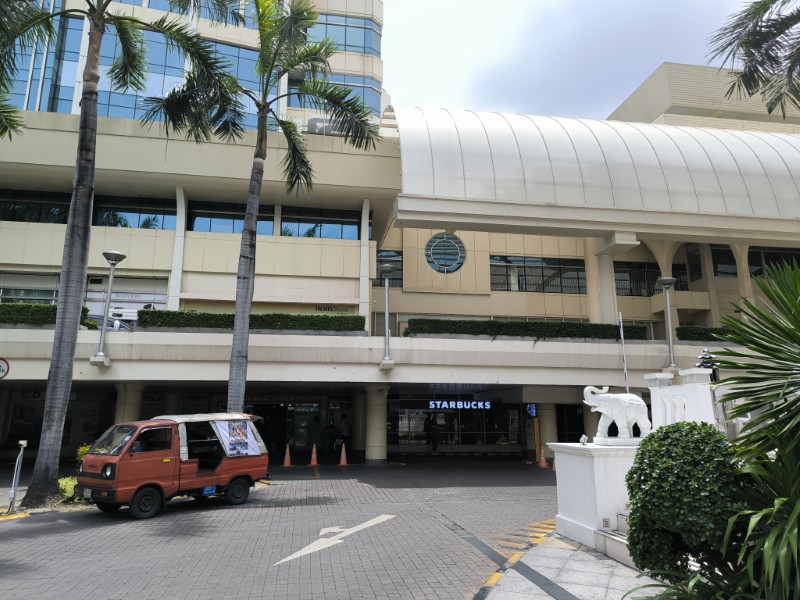
Thailand’s private hospital network is excellent: English-speaking doctors, short wait times, and a quality of care that puts most Western expats at ease. The names you’ll hear most: Bumrungrad International (Bangkok), Bangkok Hospital (branches nationwide), and Samitivej (strong reputation, particularly for families).
Private hospitals are the default for most retirees. Public hospitals are cheaper but slower, with longer waits and less English. For serious or non-urgent care, university-affiliated public hospitals (like Siriraj and Ramathibodi in Bangkok) have excellent doctors and are significantly cheaper if you’re managing costs carefully.
One genuine perk of retiring here: annual health checkups cost a fraction of what you’d pay in the West, so it’s easy and affordable to catch problems early. Most private hospitals offer packaged checkups you can book directly.
Read more: Our Thailand health insurance guide.
Where to Live
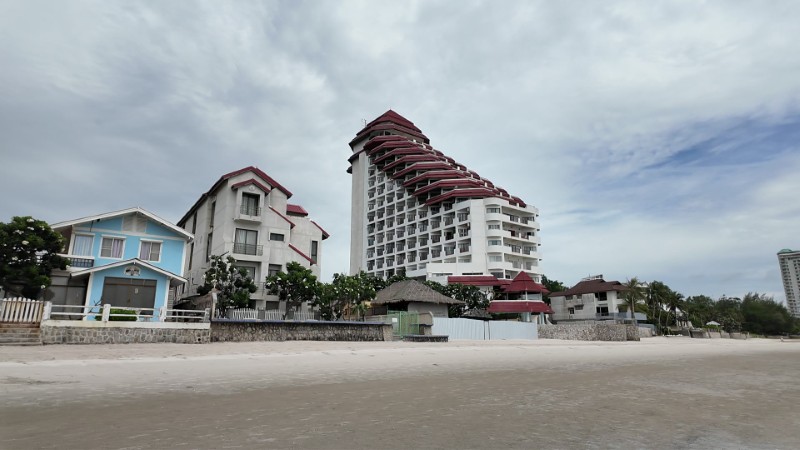
Where you live depends heavily on the lifestyle you want. Pat and Rae chose Bangkok because they still prefer city life. Other popular options:
- Hua Hin: a big retirement community with a relaxed lifestyle
- Pattaya: known for nightlife, but retirees tend to settle in quieter Jomtien
- Phuket: a beach paradise, though on the expensive side
- Chiang Mai: a slow pace and great mountain views, but it suffers from seasonal air pollution
A few more underrated spots: Rayong (a suburban-Bangkok feel with a beach), Bang Saray (a small fishing village close to Pattaya), and Chiang Rai (near Chiang Mai but less developed). The best way to choose is to go and see with your own eyes.
It’s also worth thinking about city versus village. A city makes daily life easy: familiar groceries, plenty of restaurants, public transport, good healthcare, and a ready expat scene, and you can usually get by without much Thai. A village is cheaper and quieter but leans much harder on your Thai, with fewer expats and healthcare often further away.
Read more: Our guide to the best places to retire in Thailand.
Renting vs Buying
Renting for the first year or two makes a lot of sense. It gives you the flexibility to figure out which city and neighborhood suit you, and to move if something doesn’t click. Buying appeals if you want somewhere that feels genuinely like home to renovate and settle into.
A few things foreigners need to understand about buying:
- Foreigners can own a condo outright (up to 49 percent of a building’s units can be foreign-owned).
- Foreigners cannot own land directly.
- Some people use a 30-year extendable lease to occupy a house.
- Buying through a Thai company that owns the land carries legal complexities, and buying in a Thai partner’s name forfeits your legal ownership. Both need careful thought and a good lawyer.
Typical rental ranges: Bangkok THB15,000 to THB40,000, Chiang Mai THB8,000 to THB18,000, Hua Hin or Pattaya THB10,000 to THB30,000, and Phuket closer to Bangkok pricing in tourist areas.
Tip: the best deals often aren’t on the main apps. Walk into condo buildings and ask about monthly rates directly, or join local Facebook housing groups. Landlords are generally willing to negotiate, especially outside peak season.
Planning Before You Go
Retiring overseas is a logistical project, and the more you treat it that way upfront, the smoother it goes.
Finances: analyze your position thoroughly and get professionals to check it, financial planning, tax, pensions, banking, and insurance. Will you sell your home or rent it out, and what are the tax implications? Are you eligible for a pension while living overseas? What happens to your home-country healthcare access? How will you move money between countries without losing it to fees?
Documents: a passport valid for at least 6 months (ideally longer), an international driver’s license, birth/marriage certificates (originals or certified copies), and an updated will.
Belongings and pets: shipping can be costly with import tax, so decide what’s worth shipping versus selling. If you’re bringing pets, start early, the health and documentation requirements take longer than most people expect.
Read more: how to send money to Thailand.
Activities and Daily Life
One thing that surprises many retirees is how full life becomes once you’re here. Depending on where you live, you can find almost any activity you want:
- Near the coast: standup paddleboarding, kitesurfing, swimming, snorkeling.
- In the hills and rural areas: trekking, zip-lining, horseback riding, nature watching.
- For the sporty: golf, tennis, and football, plus easy-to-find gyms, yoga studios, and Zumba classes.
There’s no shortage of creative pursuits either, painting, pottery, music groups, and book clubs exist in most expat communities. And being in the heart of Asia makes neighboring countries easy weekend or week-long trips.
Building a Life
Making Friends
Most people say it’s easier to make friends in Thailand than back home. Expats were once new here too and are generally willing to help, and joining a sports or interest group is one of the fastest ways to build a real social circle. Communities worth knowing include:
- ExpatDen Thailand Community
- Meetup Bangkok
- Chiang Mai Expats Club and the Chiang Mai Expat Women’s Group
- Pattaya City Expats Club
- Hua Hin Ladies Group and Girl Gone International Hua Hin
The retiree trap: only spending time with people from your home country. It’s comfortable, but making friends with Thais and expats from elsewhere makes for a richer experience and teaches you more about the country you’re actually living in.
Learning Thai
Plenty of Thais in cities and tourist areas speak some English, but proficiency drops quickly outside the tourist belt. Even basic Thai, greetings, numbers, ordering food, asking directions, changes the texture of daily life. Most universities and private schools offer Thai classes, and self-paced options like ThaiPod101 and Learn Thai from a White Guy are well-regarded.
Understanding the Culture
Around 90 percent of Thailand’s population is Buddhist, and a lot of the cultural differences trace back to that. Hierarchy and respect for elders, teachers, monks, and the monarchy run deep. Dress conservatively at temples, keep your feet pointing away from Buddha images, don’t express frustration loudly in public, and accept that administrative processes here are paperwork-heavy rather than fighting them.
A few words from retirees who’ve been here a while:
“Learn to adapt and accept a new way of doing things. Don’t stress about systems and processes you can’t change.” — Suz, 2-year expat
“Embrace cultural differences, ask questions, seek to really understand, and appreciate other ways of doing things.” — Michael, 2-year expat
“Show respect for the monarchy and display due regard at Buddhist sites: dress conservatively, remove shoes and hats in a temple, point your feet away from Buddha images, and women should not touch a monk.” — Linda, 6-year expat
Challenges
Not everyone settles here, and it’s worth being honest about that. Alcohol is cheap and bars are everywhere, and without the structure of working life, abuse can go unchecked. Some struggle with the language barrier, some miss home and family more than expected, and serious health issues without adequate insurance can derail a retirement.
The retirees who struggle most tend to have one thing in common: they didn’t have enough to keep themselves genuinely occupied. Boredom is a real enemy. The ones who thrive build genuine social networks, stay active, keep learning, and treat Thailand as a real home rather than a long holiday.
Have an Exit Plan
Life changes. Rising costs, political shifts, relationship changes, family crises, serious health issues, or the death of a partner could all trigger a move back home. Never burn all your bridges.
Keep good relationships with family and friends at home, stay compliant with your visa, tax, and license obligations, and understand how re-entering your home country’s pension and healthcare system works after a long absence, because there can be waiting periods. Nothing is forever, and if you need to go home eventually, you’ll be a different person for the experience.
Recommended Service Providers for Retirees in Thailand
- Cigna Global Senior: international cover designed for over-60s, including cancer and no upper age limit.
- Luma Long Stay Care: affordable local cover that meets retirement-visa requirements.
- CheckDi: compare retiree health insurance quotes from several insurers.
- Wise: move pensions and savings to Thailand at the mid-market rate.
- ExpatTax Thailand: advice on the 180-day residency rule and remitted income.
- AirDoctor: find vetted English-speaking doctors near you.
- Bangkok International Dental Center: affordable, high-quality dental care.
- Discover Cars: compare car rental deals across companies.
- Agoda: hotels and domestic flights, with discounted monthly stays.
- ThaiPod101: learn conversational Thai at your own pace.
Click here to see a complete list of all services you need as an expat in Thailand.

Recommended Articles for Retirees in Thailand
 Health Insurance in Thailand: What You Need to Know as an Expat in 2026 - Health insurance is one of the most sensible investments you can make as an expat in Thailand. This guide walks through your options, what they cover, what they cost, and… ...
 Thailand Hospitals: What to Do When You Need Medical Treatment - Thailand's hospitals range from affordable government facilities with long queues to high-end private hospitals that rival the West in quality. This guide covers the main options, costs, and what to… ...
 Bangkok Health Checkups: Costs, Packages, Hospitals, and Work Permits - Health checkup costs, packages by age, and hospitals in Bangkok, plus what you actually need for a work permit medical certificate. ...
 How to Write and File Your Last Will and Testament in Thailand - When I was younger, I thought I was invincible. I didn’t need to worry about all those things like Wills or Living Wills. I had plenty of time. But, after… ...
 Shipping to Thailand: Services, Costs, and Customs - Shipping a letter or package to Thailand? Moving here and need to send all your belongings? Find out how to do it. ...
 Learning Thai for Beginners: A Roadmap and Guide to Every Method - A beginner's roadmap for learning Thai: what to learn first, how to pick a school, tutor, or app, and the mistakes that slow most learners down. ...
 Bangkok Apartments: Rental Prices, Best Areas, and Lease Tips - Real Bangkok rental prices by property type, deposits and lease terms, the documents you need, and the rental scams to watch for before you sign. ...
 How to Send Money to Thailand: The Fast, Cheap, Reliable Way - ExpatDen's complete guide to sending money to Thailand, covering Wise, Remitly, bank transfers, SWIFT codes, and the best method for every situation. ...
 A Guide to Preparing for a Trip and Spending Your Vacation in Thailand - Thailand has something for every kind of traveler, from stunning beaches and mountain treks to street food, Muay Thai, and world-class nightlife. This guide covers everything you need to plan… ...
Latest Articles for Retirees in Thailand
- Inheritance in Thailand for Foreign Spouses: What You Keep and What You Must Sell
- Bringing Elderly Parents to Live in Thailand: Visa and Insurance Options
- How to Dispute or Appeal a Rejected Health Insurance Claim in Thailand
- Protected: Thailand’s 2026 Nominee Crackdown: A Property Lawyer on Foreign-Owned Land
- How to Choose the Right Retirement Home in Thailand in 2026
- Pharmacies in Thailand: What You Can Buy Without a Prescription (2026 Guide)
- How to Change or Update Your Address at Thailand Immigration Office (TM30)
- Thailand Visa and Immigration Updates: What Travelers and Expats Should Know
- The Complete Guide to Easy Pass and M-Flow in Thailand (2026)
- UK State Pension in Thailand: The Freeze, Claiming, Tax and Visa Rules (2026)
- How to Open a Thai Bank Account in 2026: Requirements, Best Banks, and Tourist Rules
- Thailand Scams – Tuk Tuks and Touts and Taxis, Oh My!
- What Counts as a Pre-Existing Condition for Health Insurance in Thailand
- Hua Hin vs Phuket: Which Is Better for Retirement in 2026?
- Driving in Thailand: Rules, Regulations, and How to Drive Safely
- Motorcycle License in Thailand: Documents, Tests, Fees & Renewal
- A Short and Simple Guide to Retiree Visa Thailand: Rules and Requirements (Updated 2026)
- Best Internet Providers in Thailand 2026: Plans & Setup
- Cost of Living in Thailand 2026: Real Monthly Budgets
- Currency Exchange in Thailand 2026: Best Rates & Fees Compared
If you want to read more than just our retirement articles, you can find our full list of guides on this page.