Thailand has been one of the world’s most popular digital nomad bases for over a decade: excellent food, a manageable cost of living, genuinely fast internet, and an established expat infrastructure. This guide covers the specifics: which visa to get, how much to budget, where to stay, how to manage money without a Thai bank account, and which city fits your situation.
Contents
- Visa Options
- Cost of Living
- Money Management
- Internet
- Coworking Spaces
- Accommodation
- Healthcare
- Taxes
- Best Cities for Digital Nomads
- Safety for Digital Nomads
- Useful Apps
- Recommended Service Providers for Digital Nomads in Thailand
- Recommended Articles for Digital Nomads in Thailand
- Latest Articles for Digital Nomads in Thailand
Visa Options
Getting your visa right is the first and most important step. Get it wrong and everything else becomes harder.
Destination Thailand Visa (DTV)
The Destination Thailand Visa is currently the best option for most digital nomads, and it was designed specifically with remote workers in mind. With a DTV, you can stay in Thailand for up to 180 days per entry, extendable for another 180 days, on a visa valid for five years.
That’s a meaningful difference from the old border-run era, and the main reason the nomad community has embraced it since it launched in mid-2024.
To qualify, you need two things:
- THB500,000 equivalent in your bank account, held for at least three months
- Proof of remote work, such as a portfolio, contracts, or client correspondence
Alternatively, you can qualify through a “soft power” route: enrollment in Muay Thai training, a Thai cooking class, or a similar program. You can apply online through the Thai E-Visa website.
Read more: Our full guide to the Destination Thailand Visa.
Other Visa Options
Some nomads are still here on other visa types:
- Visa exemption: 30 days, extendable once for another 30 days (duration depends on your nationality)
- Tourist visa: 60 days, extendable once for another 30 days
- Education visa: duration depends on the course, whether a Thai language class, university program, or other
Being a digital nomad on these visas sits in a legal grey zone, especially when it comes to working here. I mention them because some nomads still choose them, particularly those who don’t have THB500,000 in the bank. But in my honest opinion, the DTV is the better route.
Cost of Living
What you spend in Thailand depends almost entirely on where and how you live. Here are realistic monthly ranges:
- Budget lifestyle: THB30,000 to THB45,000 (basic apartment, street food and local restaurants, minimal extras)
- Comfortable lifestyle: THB50,000 to THB80,000 (decent condo, a mix of local and international food, coworking membership, occasional travel)
- Premium lifestyle: THB100,000+ (serviced apartment or high-end condo, frequent dining out, gym, regular domestic flights)
For most newcomers, the comfortable range is the right planning number. The budget end is achievable, but people consistently underestimate how quickly small extras add up. A decent coffee habit, a gym membership, and the occasional weekend trip climb faster than expected.
Account for setup costs too. The DTV costs around THB10,000, and most apartments require a two-month deposit. Budget at least THB100,000 before you arrive, and ideally more.
Read more: Our cost of living guide.
Money Management
Here’s something that catches a lot of people off guard: you can’t easily open a Thai bank account as a digital nomad, even with a DTV. Thai banks typically require proof of employment in Thailand or a long-term visa, neither of which applies to remote workers.
The standard solution in the nomad community is to rely on fintech cards:
- Wise: the most commonly used option. It lets you hold multiple currencies, convert at mid-market rates, and withdraw from Thai ATMs for a small fee.
- Revolut: popular among European users as a solid alternative.
Most people carry both and treat them as their primary financial tools. A few things the community has learned the hard way:
- Keep a backup card. Wise has been known to freeze accounts for compliance checks, and being locked out of your only card in Thailand is no fun.
- Spread funds across two providers. Don’t keep everything in one place.
- Withdraw larger amounts less often. Thai ATMs charge a flat THB220 fee per transaction regardless of the amount, so frequent small withdrawals burn money.
Internet
Internet in Thailand is genuinely good. Home broadband averages around 237 Mbps for fixed connections, fast enough for video calls, large uploads, and anything else you’re likely to need. Mobile internet sits around 100 Mbps on average, perfectly workable as a backup.

You can find reliable WiFi in coffee shops (many now have free power outlets), department stores, hotels, and coworking spaces.
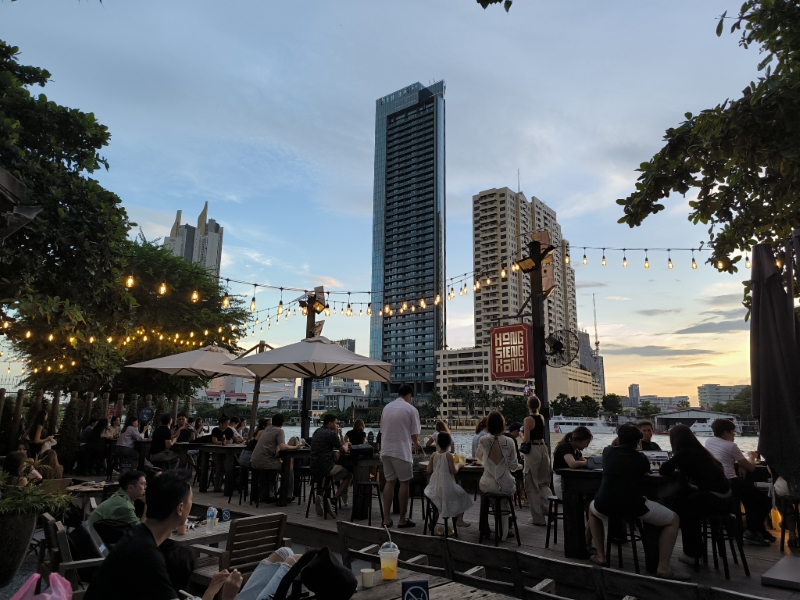
If you’re renting long-term, confirm the building’s internet speed before committing. Newer buildings generally mean better internet, and it varies more than you’d expect between buildings, even in the same neighborhood.
SIM Cards
There are effectively two major providers now: AIS and True Move H (which merged with DTAC in March 2023). Both offer solid city coverage, and you can buy a physical SIM or an eSIM if your phone supports it.
My recommendation: buy a pre-paid package at an official carrier store, not a tourist SIM at the airport. The deal is materially better. True’s THB399 package, for example, gives you unlimited calls and 70GB of data per month. AIS has competitive equivalents and better free WiFi.
Coworking Spaces
In any of the main nomad cities, you won’t be short of options. Coworking is embedded into the culture here, and the quality is generally high: fast internet, good chairs, air conditioning, free coffee and tea, and a mix of private and hot desks.
Day passes typically run THB200 to THB300. Monthly memberships vary more by city and facility. Some spaces are cafe-adjacent, where a drink buys you access, which works for a few hours but gets impractical for full workdays.
Bangkok
- Common Ground: multiple locations including CentralWorld and Ploenchit, with a solid community vibe and regular networking events.
- The Hive: one of Bangkok’s best-regarded spaces, known for its open layout, tall ceilings, and welcoming atmosphere.
Chiang Mai
- Punspace: locations near Tha Phae Gate and Wiang Kaew. A nomad institution with a focused work atmosphere and good community.
- Alt_ChiangMai: newer, combining coworking with coliving, and good if you want to build a social network quickly.
Phuket
- Grind Time: locations in Rawai and Chalong, with phone booths, meeting rooms, and free snacks.
Accommodation
Most digital nomads fall into one of three accommodation patterns, depending on how long they’re staying and how much community they want.
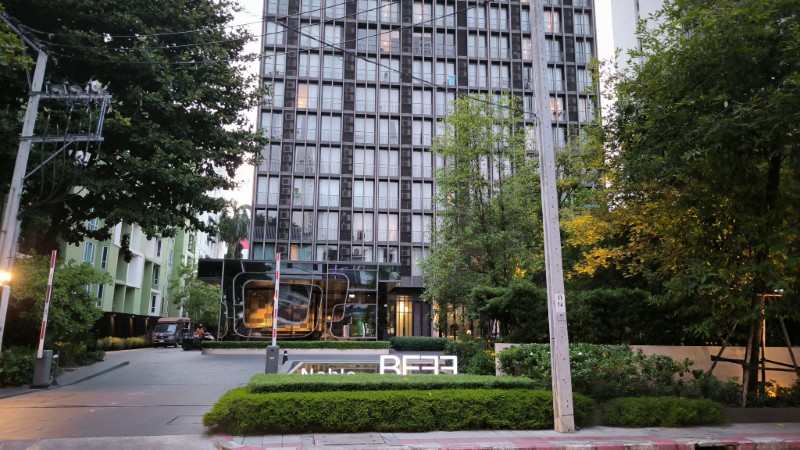
Monthly Condo Rentals
This is the most cost-effective option for stays of six months or more, so it isn’t ideal for short trips. Typical price ranges:
- Chiang Mai: THB8,000 to THB15,000 per month for a decent one-bedroom, particularly in Nimmanhaemin and the Old City
- Bangkok: THB15,000 to THB35,000 for a comfortable one-bedroom near the BTS or MRT
- Phuket: prices track closer to Bangkok in tourist-heavy areas, with more variation further from the center
The best deals rarely come from apps. Walk into condo buildings directly and ask about monthly rates, or join local Facebook housing groups. Landlords in Thailand are generally flexible on price, especially outside peak season, so don’t be afraid to negotiate.
Coliving Spaces
Coliving has become genuinely good in Thailand and is worth considering for your first month or two. A typical package bundles a private room, coworking access, and shared communal spaces and kitchen.
Prices start around THB15,000 to THB20,000 per month. The built-in community makes adjusting to a new city much easier, especially if you’re arriving solo. Alt_ChiangMai is the best-known option, but coliving spaces exist in Bangkok and Phuket too.
Short-Term Stays
Airbnb and Booking.com work well as a base while you look for something longer-term. Monthly rates are significantly lower than nightly rates if you filter correctly: expect a 30 percent to 50 percent reduction on monthly bookings compared to nightly equivalents.
Healthcare
Thailand’s private hospital network is excellent: English-speaking doctors, reasonable wait times, and a standard of care nothing like navigating a foreign hospital in most parts of the world. The names you’ll hear most often:
- Bumrungrad International Hospital (Bangkok): routinely ranked among the top hospitals in Asia
- Bangkok Hospital: multiple branches across the country
- Samitivej Hospital: a strong reputation, particularly for families
As a digital nomad, a private hospital will be your default choice. Public hospitals are mainly for those on a tight budget or without insurance when they’re seriously ill.
Why You Still Need Insurance
Here’s the honest picture: “cheap by Western standards” and “cheap for serious treatment” are two different things. A minor illness visit costs a few thousand baht even at a good private hospital. A surgery, a hospital stay, or an emergency can run into the hundreds of thousands of baht.
So while it isn’t required for your visa, get at least a plan with good inpatient coverage. Cigna, AXA, and Pacific Cross are commonly used in the expat community here. Premiums vary by age and coverage, but a basic expat plan runs around THB1,500 to THB3,000 per month for most people in their 20s and 30s. If you’re on a budget, choose a high deductible and pay outpatient out of pocket.
Read more: Our Thailand health insurance guide.
Taxes
This is genuinely complicated, and I won’t pretend otherwise. Whether you owe Thai tax depends on several factors:
- How long you stay in Thailand (the 180-day residency threshold matters)
- Where your income originates
- Whether you remit that income into Thailand
- What tax treaties exist between Thailand and your home country
Put simply: if you live in Thailand for more than 180 days a year, you may need to file income tax here. If you’re not sure, it’s always best to consult a tax professional who specializes in expat situations in Thailand.
Read more: Our Thailand tax guide.
Best Cities for Digital Nomads
Several Thai cities work well for remote work. Your best choice depends on your lifestyle and budget.
Chiang Mai
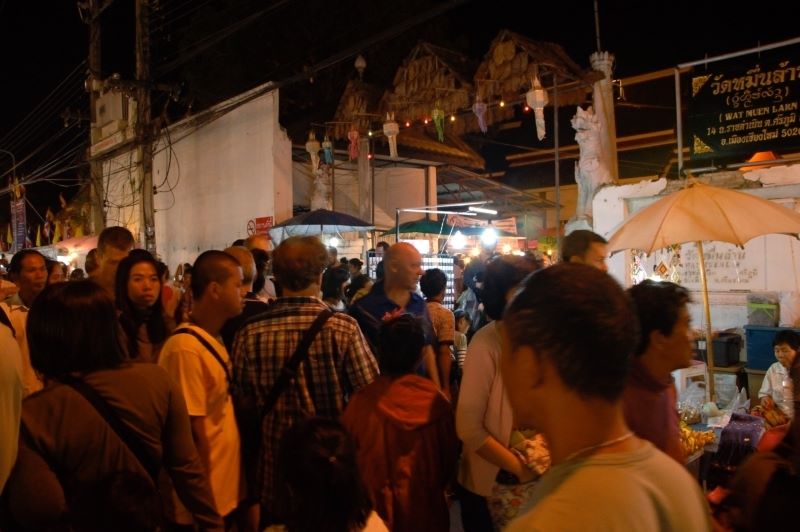
Chiang Mai is where most first-time nomads end up, usually for good reason. It has the lowest cost of living of any major nomad city in Thailand, a deeply established coworking scene, strong social infrastructure (meetups, communities, and Facebook groups make it easy to meet people fast), a relaxed pace, cafes everywhere, and a cooler climate than Bangkok.
The honest downside: burning season runs roughly from February to April, and the air quality is genuinely bad, not just inconvenient. AQI levels regularly push past 200 on bad days. Experienced nomads often leave during this period and head south, where the air is much better. Factor that into your planning.
Best for: first-time nomads, solo travelers, budget-conscious remote workers.
Bangkok
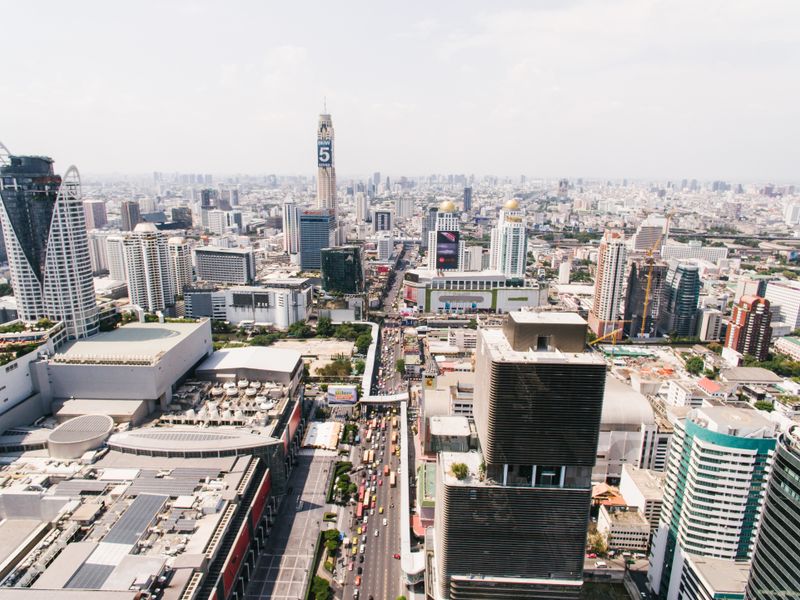
Bangkok is the right choice if you want a city that actually functions like a city. It has the best infrastructure in Thailand (including the BTS and MRT), a top-tier hospital network, networking opportunities in a different league from anywhere else in the country, and an enormous food scene.
The honest tradeoff: you’ll pay 30 percent to 40 percent more for accommodation than in Chiang Mai, and traffic, heat, and general urban chaos are part of daily life. Whether that’s worth it depends entirely on your personality.
Best for: entrepreneurs, startup founders, people who want city energy.
Phuket
Phuket works well for higher-budget nomads who want beach access without sacrificing modern infrastructure: beaches and an outdoor lifestyle, an international community, a coworking scene that has improved a lot in recent years, and good hospitals and services.
The honest tradeoff: more expensive than the mainland cities and noticeably more tourist-heavy, which affects the texture of daily life. It’s best for those who want to live near the water and the party scene.
Best for: higher-budget nomads, beach lovers.
Koh Phangan
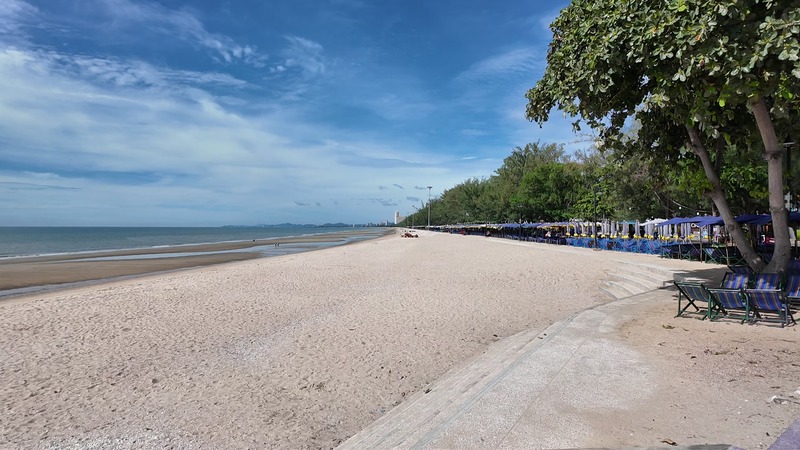
Koh Phangan has developed a more serious nomad infrastructure than most people expect, well beyond its Full Moon Party reputation: beautiful beaches, a genuinely slower pace, a strong wellness and yoga community, improving coworking spaces and broadband, and a tight-knit community among long-termers.
The honest tradeoff: island life compounds over time, and you can run out of things to do. Getting on and off the island takes effort, which makes hopping between cities harder. It’s worth a shorter stay to test before committing.
Best for: wellness-focused nomads, creatives, people who want a slower island lifestyle.
Safety for Digital Nomads
Thailand is safe for digital nomads. In a good coffee shop or an established coworking space, you’ll even see people leave their laptops unattended when they go to the toilet. I wouldn’t recommend doing that yourself, though, especially in a tourist area.
The biggest risk I’ve seen for nomads is riding a motorcycle. Thailand’s roads aren’t the safest, with real threats from road conditions, reckless drivers, and even street dogs.
Read more: Our Thailand safety guide.
Useful Apps
Apps you’ll actually use on a regular basis:
- Grab: rides and food delivery. More reliable than Bolt in most areas, though Bolt is often cheaper for rides.
- Google Maps: navigation, finding restaurants, checking transport routes.
- LINE: how Thais actually communicate. WhatsApp penetration is low here.
- Wise: money management and ATM withdrawals.
- Google Translate: the camera function is surprisingly good for menus and street signs.
Recommended Service Providers for Digital Nomads in Thailand
- Wise: hold multiple currencies, convert at the mid-market rate, and withdraw from Thai ATMs cheaply.
- Airalo: a Thailand eSIM you can install before you land, so you’re online on arrival.
- NordVPN: keep your connection secure on public Wi-Fi and reach home services while abroad.
- SafetyWing: flexible health coverage built specifically for remote workers and nomads.
- Cigna: comprehensive international health insurance with inpatient cover.
- ExpatTax Thailand: tax advice for the 180-day residency rule and remitted income.
- Iglu: visa and work-permit support for IT professionals who already have clients.
- Agoda: book hotels and domestic flights, with discounted monthly stays.
- Airbnb: monthly apartment rentals while you look for something longer-term.
- ThaiPod101: learn enough Thai to make daily life easier.
Click here to see a complete list of all services you need as an expat in Thailand.

Recommended Articles for Digital Nomads in Thailand
 How to Become a Digital Nomad in Chiang Mai - Chiang Mai is one of Southeast Asia's top destinations for digital nomads, offering low living costs, fast internet, a strong expat community, and the Destination Thailand Visa for remote workers… ...
 Non-Immigrant Visas to Thailand: an In-Depth Guide - Find out all visa options available in Thailand. Foreigners visit Thailand for distinct reasons. Certain visits require a Thai Visa, while some don’t. If you want to stay long-term, this… ...
 Health Insurance in Thailand: What You Need to Know as an Expat in 2026 - Health insurance is one of the most sensible investments you can make as an expat in Thailand. This guide walks through your options, what they cover, what they cost, and… ...
 Bangkok Apartments: Rental Prices, Best Areas, and Lease Tips - Real Bangkok rental prices by property type, deposits and lease terms, the documents you need, and the rental scams to watch for before you sign. ...
 Moving To Thailand: A Guide for Expats to Live Here in 2026 - An in-depth guide to making this Southeast Asian country your new home. ...
 Learning Thai for Beginners: A Roadmap and Guide to Every Method - A beginner's roadmap for learning Thai: what to learn first, how to pick a school, tutor, or app, and the mistakes that slow most learners down. ...
 How to Open a Thai Bank Account in 2026: Requirements, Best Banks, and Tourist Rules - What you need to open a Thai bank account, the best banks for expats, whether tourists can still open one, and how to do it before you arrive. ...
- How to Send Money to Thailand: The Fast, Cheap, Reliable Way - ExpatDen's complete guide to sending money to Thailand, covering Wise, Remitly, bank transfers, SWIFT codes, and the best method for every situation. ...
 Thai Residence Certificate: Cost, Documents & Where to Apply - A step-by-step guide to Thailand's Residence Certificate: required documents, the THB200 government fee, processing time, and where to apply. ...
Latest Articles for Digital Nomads in Thailand
- How to Dispute or Appeal a Rejected Health Insurance Claim in Thailand
- Pharmacies in Thailand: What You Can Buy Without a Prescription (2026 Guide)
- How to Change or Update Your Address at Thailand Immigration Office (TM30)
- Thailand Visa and Immigration Updates: What Travelers and Expats Should Know
- The Complete Guide to Easy Pass and M-Flow in Thailand (2026)
- Thailand Scams – Tuk Tuks and Touts and Taxis, Oh My!
- Driving in Thailand: Rules, Regulations, and How to Drive Safely
- Motorcycle License in Thailand: Documents, Tests, Fees & Renewal
- Best Internet Providers in Thailand 2026: Plans & Setup
- Cost of Living in Thailand 2026: Real Monthly Budgets
- Currency Exchange in Thailand 2026: Best Rates & Fees Compared
- Destination Thailand Visa (DTV): Requirements and Application in 2026
- Vaccinations for Thailand: Which Ones You Actually Need
- Is It Safe to Drink Water in Thailand? Let’s Find Out!
- Insurance in Thailand: What’s Legally Required and What You Can Skip
- How to Ride a Motorcycle Safely During the Rainy Season in Thailand
- Emergencies in Thailand: What to Do and Who to Call
- Thailand Visa Runs and Border Runs in 2026: How They Work and Why They’re Riskier Now
- Thailand SSO vs. Private Health Insurance: Which One Is Better?
- Sin Sod in Thailand: How Much Do You Need to Give?
If you want to read more than just our digital nomad articles, you can find our full list of guides on this page.