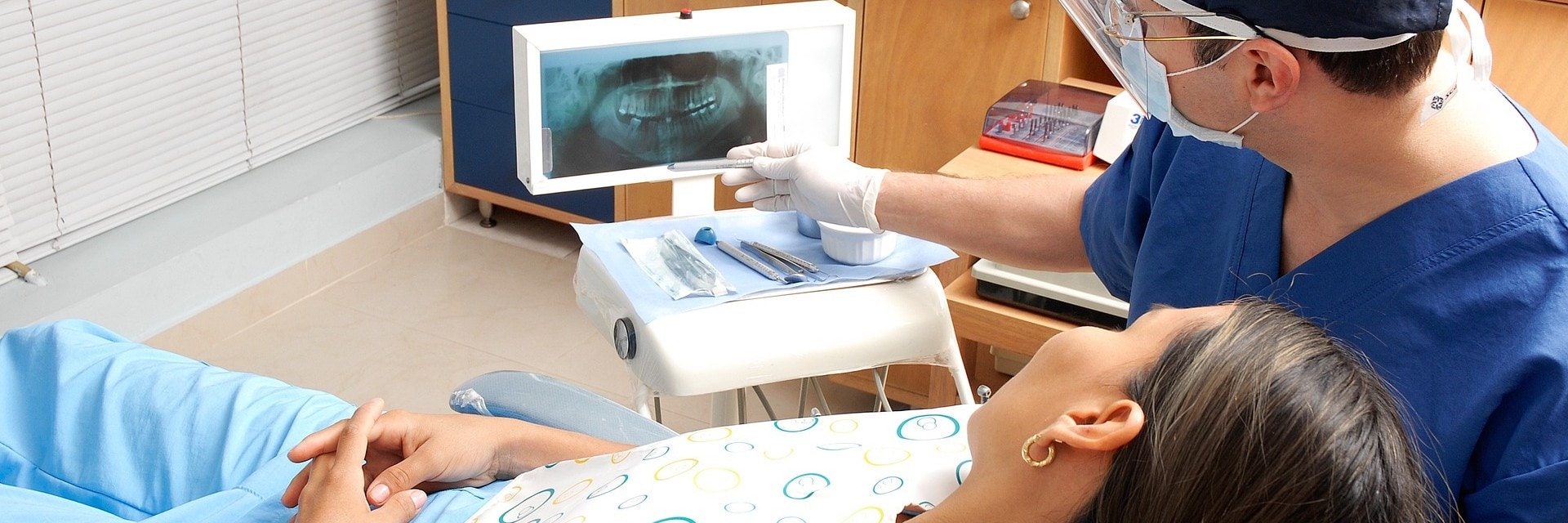
I have seen many people come to Thailand primarily for dental implants, mainly because of cost and quality. But in Thailand, there is more to it than that.
In Thailand, even the most expensive clinics won’t charge you more than US$3,000 for the best implant systems they offer. You might even pay less than US$1,500 for a single tooth implant, which can be more than 50 percent less expensive than many countries in the world including the USA, UK, and Australia.
Dentists in Thailand are internationally trained and use the same implant systems and materials as those in the West. Your results can be just as good or better than your dentist at home.
If you’re thinking about getting dental implants in Thailand, this guide covers everything you need to know, including costs, procedures, implant systems, payment options, and the best clinics to visit.
If you’re looking for veneers or whitening instead, please see our cosmetic dentistry guide.
Disclaimer: Some links in this article go to our partners, and we may earn a commission if you use them. It costs you nothing extra, and we only recommend services we'd use ourselves. Read more in our Advertising Disclosure.
Contents
- Key Takeaways
- Why Get a Dental Implant?
- Requirements
- Steps of Getting Dental Implants in Thailand
- How to Choose Dental Implant Systems
- Available Dental Implant Materials and Surfaces
- Single Tooth vs All-on-4 and All-on-6
- All-On-Four or All-On-Six Dental Implants
- Costs for Dental Implant in Thailand
- Hidden Cost of Dental Implants
- Is It Safe? How Thailand Regulates Dental Implants
- How to Vet a Dental Implant Clinic Before You Book
- Where to Get Dental Implants
- Bangkok
- Chiang Mai
- Phuket
- Pattaya
- Payments
- Warranty
- Insurance
- Potential Risks and Considerations that Come with Dental Implants
- Recovery and Aftercare After Getting Dental Implants
- How Long Do Dental Implants Take?
- Procedure Timeline at a Glance
- Is One-Day Implants Available in Thailand?
- Is it Painful to Get Dental Implants?
- Is a 3D CT Scan Important for Dental Implants?
- What Are Your Anesthetic and Sedative Options?
- Do You Need to Make an Appointment?
- What’s the Cost of Full Mouth Dental Implants in Thailand?
- Frequently Asked Questions
- How much do dental implants cost in Thailand?
- Is it safe to get dental implants in Thailand?
- How long does the dental implant process take?
- Should I get a single implant or all-on-4/all-on-6?
- Is a 3D CT scan necessary before implants?
- Will my insurance cover dental implants in Thailand?
- What happens if something goes wrong with my implant after I've left Thailand?
- Can I fly home right after the implant post is placed?
- How do I check that a dentist in Thailand is actually licensed?
- Sources Cited
- Which Clinic Should You Go for Dental Implants in Thailand?
- Related Articles
Key Takeaways
- Dental implants in Thailand typically cost between THB50,000 to THB85,000 per tooth, depending on the system and clinic
- Even premium clinics usually charge much less than in the US, UK, or Australia, often saving you 50% or more
- The total cost can be higher than advertised due to additional procedures like CT scans, bone grafting, or sinus lifts
- Popular implant systems include Straumann and Nobel Biocare (premium), and SIC, Astra Tech, and Korean brands (more affordable options)
- The process usually takes 3 to 6 months, and sometimes longer depending on your condition
- You may need multiple visits, so it’s best if you can stay in Thailand or return for follow-ups
- Not all clinics are the same. Choosing an experienced implantologist and a well-equipped clinic is key
- Thailand offers international-standard dentists and materials, with results comparable to Western countries


Why Get a Dental Implant?
While dental implants are easily the most expensive dental treatment, there are several reasons you may want to have them.
- Best Way to Replace a Missing Tooth: A dental implant is one of the best ways to replace a missing tooth. It involves placing an artificial tooth root in the jaw and attaching a separate tooth cap on top of the root to replace the missing tooth.
- Comfort and Durability: Dental implants can last for a lifetime and fit more comfortably in the mouth.
- Versatility: A dental implant can be used to replace a single tooth, multiple teeth, or even all of your teeth.
From what I’ve seen, most expats don’t regret getting implants in Thailand. The key is choosing the right clinic.
Requirements
Your health status, time, and money are the three main considerations when getting dental implants.
- Money: It’s one of the most expensive dental treatments since there are several procedures involved including CT scans, dental crown, artificial root, tooth extraction, and more. You should expect to pay THB50,000 for a single tooth implant. For an all-on-four treatment, it can cost you a few hundred thousand baht.
- Health: You need to have healthy gums and bones as they hold the artificial tooth root. After getting dental implants, you will need to maintain good oral health
- Time: You will need to visit the dentist a few times over a period of 3 to 6 months minimum. In some cases, it can take eight months in total. Each time, you will need a day to visit the dentist and a few days for recovery. Depending on your condition, it’s also possible to do it within a single day.
While the requirements can be high, it’s a life-changing treatment that significantly increases your confidence and improves your ability to eat.
Steps of Getting Dental Implants in Thailand
There are several steps involved in a dental implant procedure. The process you undergo in Thailand will be similar to getting it in the West.
Below is a rough guideline of what you need to do to prepare.
*Please note that there are several ways to perform a dental implant procedure. Your procedure may not be similar to what’s outlined below.
- Get an Estimated Price: You can get an estimated price before visiting the clinic, but you need to send an X-ray to them first.
- Evaluation and Planning: A dentist will order dental x-rays, examine your overall oral health, and come up with a treatment plan and inform you about the cost of your procedure.
- 3D CT Scanning: Depending on your condition, a dentist may use a 3D CT scanner to examine your entire mouth in order to get accurate data on your bone and jaw structure. (Note that the CT scan is only available at major hospitals and dental clinics.)
- Implanting an Artificial Tooth: A dentist may need to extract an old tooth first before implanting an artificial tooth. If you’re in good oral health, a dentist might be able to drill your jawbone and place the implant right away on the day you visit.
- Bone Grafting: If you need bone grafting or other situations arise, then you need to wait a few weeks to a few months before the dentist can place the implant after preparing the area.
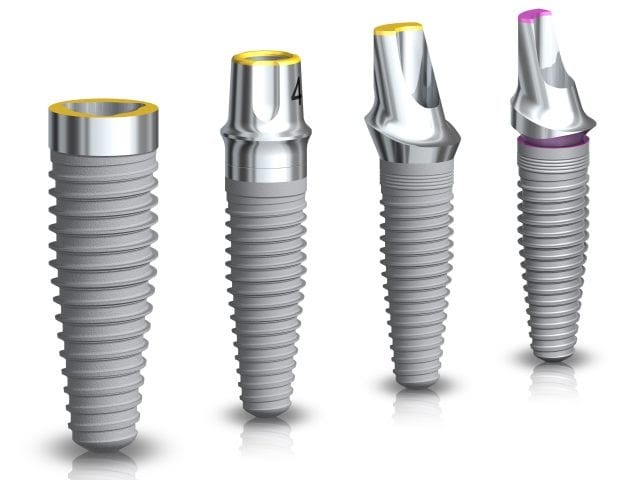
- Placing Abutment: An abutment screw connects an artificial root to the crown and bridges with a replacement tooth. Once it’s placed, a dentist may create a model of your tooth that needs replacing and put a temporary crown in its place.
- Placing a Permanent Crown: This is the final step in a dental implant procedure. This involves replacing a temporary crown with a permanent crown, with the dentist making sure that your new tooth is going to function normally and have a similar color as your natural teeth.
- Follow-Up Treatments: You may need to visit a dentist a few times for check-ups and follow-up treatments. This is to make sure that the process is a success and you can use your new tooth/teeth as normal.
Once the implant is placed, you need to wait 8 – 24 weeks until you are healed and the implant
Before moving forward with implants, there’s one thing many people overlook: your gum health. In some cases, you may need additional treatment first, especially if you have gum inflammation.
If you’re planning veneers or implants and have gum inflammation, gum scaling is often required first. You do not want to place restorations on unhealthy gums, as inflammation can compromise the fit and longevity.
Dr. Paworn Pornkittitheerakul, Consulting Dentist at Bangkok International Dental Hospital
How to Choose Dental Implant Systems
You can choose from a variety of implant systems available in Thailand. These systems mainly differ in size, shape, and material.
Here’s a list of popular implant systems in Thailand:
- ITI Straumann: A premium option from Switzerland. ITI Straumann is known for the quality and stability of its materials. However, it’s one of the most expensive implant systems available.
- Nobel Biocare (Sweden): Another premium dental implant option known for its long track record and reliability.
- SIC Invent: A more economical dental implant system from Switzerland.
- Astra Tech: Another economical option from the United States.
There are also budget options from P-I Branemark (Sweden) and Osstem (South Korea). These two systems can be around 30%–40% cheaper than ITI Straumann.
While you can choose a dental implant system for yourself, the dentist’s recommendation ultimately carries a lot of weight. Consult with them about which system is most suitable for you based on your jaw and bone conditions.
Also, some dental clinics may not tell you which implant system they use. You may need to ask.

Available Dental Implant Materials and Surfaces
In addition to implant systems, there are also different materials and surface technologies available in Thailand, including:
- Titanium: The most common option. It’s strong, durable, and has a long track record of success.
- Roxolid (Titanium + Zirconium alloy): A stronger version of titanium but also more expensive.
- Zirconia (Ceramic): A metal-free option. It looks more natural but is usually more expensive and less commonly used.
Along with materials, in some cases, you might also be able to choose the implant surface, especially with systems like ITI Straumann:
- SLA: A standard surface treatment used on implants.
SLActive: An upgraded surface that allows faster healing.
Similar to choosing a dental implant system, it’s best to consult with an implantologist to find out the best option for you.
To give you a real example, I asked an implantologistabout how implant systems actually differ in practice:

Premium systems like Straumann have strong long-term clinical data and high success rates. Materials like Roxolid are stronger than traditional titanium, which can reduce the need for bone grafting in some cases. Combined with surface technologies like SLActive, this can help speed up healing and improve integration with the jawbone.
Another advantage is the wide range of components available, which allows dentists to better handle complex cases and achieve more natural-looking results.
Assist. Prof. Dr. Preeda Pungpapong, DDS., MSc., Resident Implantologist and Prosthodontist at BIDC
Single Tooth vs All-on-4 and All-on-6
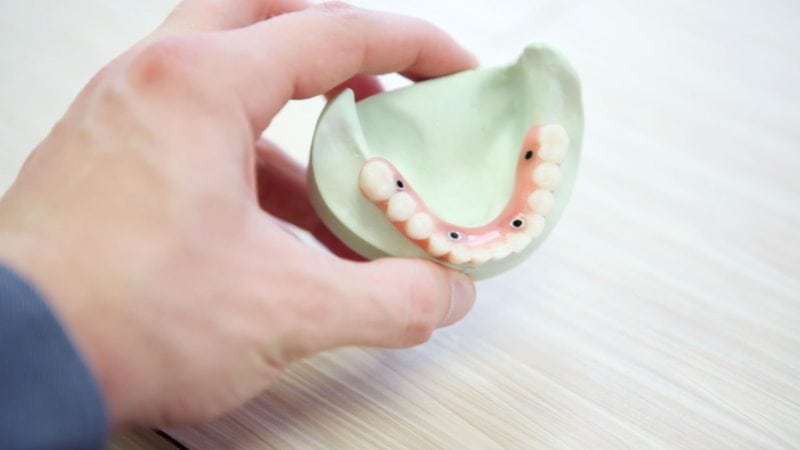
A single implant replaces one missing tooth. In contrast, all-on-4 and all-on-6 treatments replace a full arch using four to six implants as anchors for a fixed bridge. These are offered at larger implant-focused clinics with surgical planning.
All-On-Four or All-On-Six Dental Implants
If you are planning to get all-on-four or all-on-six dental implants in Thailand, you should know that not every clinic offers it.
Instead, they are usually available at larger clinics, implant-focused clinics, or dental hospitals. This is because it’s a full-arch implant technique that requires:
- Advanced surgical planning (often CT scans and digital smile design)
- Experience in placing angled implants
- A team approach (implantologist and prosthodontist)
This video shows how all-on-four dental implants work.
All dental clinics mentioned in this article can provide all-on-four dental implants.
Costs for Dental Implant in Thailand
The cost of dental implants in Thailand depends on the following factors:
- Implant system type: Different systems cost differently
- Material: Roxolid can be more expensive than titanium
- How many implants you need: The more implants you need, the more it will cost
- Complexity: The level of complexity of your case will determine the cost, as it may require additional treatment
- General dentists or specialist dentists: A specialist implantologist is going to cost you more than a general dentist
- What clinic you go to: Brand-name dental clinics tend to cost more than privately owned clinics
At first glance, prices can vary quite a bit between clinics. But in many cases, the difference isn’t just about branding. It often comes down to the materials used and the technology involved in the procedure. For a broader view, check the cost of healthcare in Thailand.
As Lucinda Chen, International Relations Manager of Dental Corporation PLC, explains:
“Another is we often forget that a slightly higher price usually covers the cost of higher-grade materials (e.g., Swiss manufactured implants vs. cheaper implant alternatives) and digital workflow precision.”
The table below displays prices for different dental clinics in Thailand for 1 implant and 1 crown. The prices are taken directly from their websites. These prices have been updated as of March 2026.
Cost of Popular Implant Systems
| Clinic | Province | P-I Branemark | SIC Swiss | ITI Straumann | Nobel Biocare |
| Smile Signature | Bangkok | THB35,000 | THB54,000 | THB74,000 | THB75,000 |
| Phuket Dental Signature | Phuket | THB45,000 | THB54,000 | THB74,000 | THB80,000 |
| CIDC | Chiang Mai | THB45,000 | THB59,000 | THB75,000 (SLA) | THB80,000 |
| BIDC | Bangkok | THB45,000 | THB60,000 | THB79,000 (Roxolid / SLActive) | THB80,000 |
| BIDH | Bangkok | THB50,000 | THB65,000 | THB85,000 (Roxolid / SLActive) | THB85,000 |
| Thantakit | Bangkok | – | – | THB85,000 (Roxolid) | – |
Cost of Alternative Implant Systems
| Clinic | Province | Dentium / Korean Implants | Zirconia / Ceramic | Other Systems |
| Smile Signature | Bangkok | THB30,000 | THB85,000 | – |
| BIDC | Bangkok | – | THB95,000 | Neodent |
| BIDH | Bangkok | – | THB95,000 | Straumann Roxolid THB90,000 |
| Thantakit | Bangkok | THB65,000 | – | BioHorizons THB75,000 |
| CIDC | Chiang Mai | – | THB95,000 | – |
| Kitcha Dental | Chiang Mai | THB50,000 | THB75,000 | – |
| Dental World | Chiang Mai | THB53,000 | – | Astra Tech THB71,000 |
| Phuket Dental Signature | Phuket | – | THB95,000 | – |
| Sea Smile | Phuket | THB65,000 | – | Straumann THB80,000 |
Hidden Cost of Dental Implants
Now you see a transparent price for dental implants on clinic websites. However, there can still be additional costs that increase the total price of your treatment.
As Dr. Wilaiwan, explains:
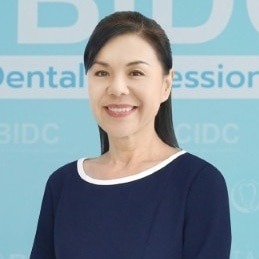
The most common financial mistake is not understanding the total cost of the journey. For implants, clinics may quote only the implant post. Patients should ask if the price includes the full process, including the implant abutment (the connector piece) and crown (the visible tooth over the implant).
There are also additional costs to consider, such as panoramic X-rays, 3D CT scans, and possible bone grafts, depending on your condition.
Dr. Wilaiwan Panyavorachart, Consulting Dentist at Bangkok International Dental Center (BIDC)
Here’s what you should expect to pay for these additional procedures:
- Panoramic X-ray: THB1,000–THB1,800
- CT scan: THB5,000–THB12,000
- Bone grafting: THB10,000–THB20,000
Is It Safe? How Thailand Regulates Dental Implants
Thailand’s dentists are licensed by the Thai Dental Council, which keeps a public registry. Some clinics also hold JCI or ISO accreditation, which patients should confirm directly. A licence is a baseline, so ask for the treating dentist’s credentials before booking.
How to Vet a Dental Implant Clinic Before You Book
With dozens of clinics across Thailand offering implants, the biggest variable in your outcome is not the country, it is the specific clinic and dentist you choose. A short amount of vetting before you commit can save you a difficult, expensive redo later.
- Check the dentist’s license yourself. Every dentist practicing in Thailand must be registered with the Thai Dental Council. You can look them up through the Council’s Find Dentist (ค้นหาทันตแพทย์) search tool at dentalcouncil.or.th. The interface is mainly in Thai, so ask the clinic for the dentist’s full Thai name and registration number if you need help searching it.
- Confirm they are an implantologist, not just a general dentist. Many general dentists place implants occasionally, while implant-focused clinics have a dedicated implantologist or prosthodontist handling every case. Ask directly how many implants the treating dentist places per year.
- Get the implant brand in writing. Prices between systems like P-I Branemark and ITI Straumann can differ by more than 50 percent. Ask for the exact brand, and ideally the specific product line, written into your treatment plan before you pay anything.
- Ask what the quoted price actually includes. Confirm whether the number you were given covers the implant post, abutment, and crown, or just the post. Also ask separately about the CT scan, any bone grafting, and follow-up visits.
- Read the warranty terms before you need them. Ask specifically what happens if the implant fails after you have left Thailand. Does the warranty still apply, does it require you to return in person to claim it, and what does it cover if you cannot?
- Ask about their redo policy for failed implants. Even at good clinics, some implants fail. Ask what a redo costs and whether it is included under warranty or billed as a new procedure.
- Confirm anesthesia and sedation options match your needs. Only a limited number of clinics in Thailand are licensed for general anesthesia. If dental anxiety or a complex case means you want sedation, confirm the clinic can actually provide it before booking. This account of sedative dentistry at BIDH gives a sense of what that looks like in practice.
- Look beyond the clinic’s own website. Check independent reviews on Google Maps or medical tourism forums alongside the clinic’s own case studies, and ask to see before-and-after photos of previous patients who had a similar implant system to the one you are considering.
None of this takes more than a few emails or a single consultation, and most reputable clinics expect these questions from international patients. For a broader look at choosing a hospital or clinic for treatment in Thailand generally, see our guide to picking a hospital for medical tourism in Thailand.
Where to Get Dental Implants
The process of getting dental implants is a specialist procedure, you can’t just go to any clinic on the street.
Instead, it’s better to visit a clinic with an implantologist and aesthetic dentists on board. If possible, you should choose a clinic that has a 3D CT scanner, which is essential to the procedure.
Some of these clinics hold Joint Commission International (JCI) accreditation, but it is not universal, so confirm a clinic’s current accreditation directly with them. Additionally, all dentists practicing at these facilities are fully licensed by the Thai Dental Council, ensuring they meet Thailand’s strict regulatory requirements for dental practice.
In this section, we include a list of dental clinics throughout Thailand that are known for dental implants.
If you are unsure about which clinic to choose for dental implants, simply fill out this form and we will recommend the one most suitable for you.
Bangkok
As the center of Southeast Asia’s medical tourism industry, Bangkok offers world-class dentists, clinics, and technology to make sure your dental implant treatment is a success. If you require other medical care, there are also excellent private hospitals in Bangkok.
The variety of options will ensure you can find the right dental clinic for your budget, comfort, and needs.
As a plus, you will be able to find the largest number of internationally board-certified dentists in Bangkok compared to other cities in Thailand.
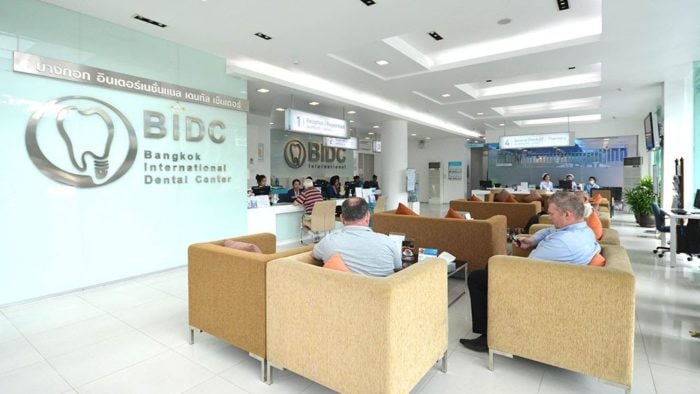
The majority of dentists in Bangkok speak English well enough that a translator is not needed. Some places will even staff employees fluent in Japanese, Chinese, and Korean.
Let’s take a look at our recommended clinics where you can get dental implants in Bangkok.
Learn More:
Bangkok International Dental Hospital (BIDH)
BIDH is one of Thailand’s largest dentistry centers. It is a fully licensed specialized dental hospital that offers an extensive range of dental treatment services as well as the most advanced dentistry technologies accessible in Thailand.
The BIDH Dental Implant Center is staffed mainly by overseas board qualified dentists.
BIDH is one of the more expensive options for getting dental implants in Thailand. However, they are also one of the best. In addition to modern facilities, all dental implant cases are handled by experienced implantologists, not general dentists.
In addition, they are one of the few dental providers in Thailand that offers hospital-level safety for general anesthetic and sedative options for dental implants, for both single and full-mouth treatments.
You can use this link to schedule an appointment with BIDH.
Bangkok International Dental Center (BIDC)
BIDC is among the most comprehensive dental care facilities in all of Thailand.
BIDC and BIDH are owned by the same corporation. They are both part of the Dental Corporation Public Co. Ltd., Thailand’s largest dental network.
Bangkok International Dental Center has a main office on Ratchadaphisek Road, with satellite clinics in major malls like Siam Paragon and EmQuartier. It also has one of the country’s largest teams of certified ITI Straumann implant specialists.

You can use this link to schedule an appointment with BIDC. You can also read about one expat’s BIDC implant experience.
Smile Signature Dental Clinic
Smile Signature is a leading chain of dental clinics in Thailand with 10 locations in convenient locations throughout Bangkok. They provide dental implant packages for single, multiple, and full-mouth implants.
Although facilities might not compare to those at BIDH and BIDC, they are more affordable. For instance, getting a single tooth implant starts at just THB32,000 for P-I Branemark.
So, you can go to Smile Signature Dental Clinic if you are on a budget but still seek a quality dental implant in Bangkok.
You can use this link to schedule an appointment with Smile Signature.
Thantakit International Dental Center
Thantakit is one of Thailand’s oldest dental institutions, founders of the Thai Society of Dental Implantology. It is also one of the top choices for dental tourism because it offers accommodation and transportation packages in addition to dental needs.
Thantakit has a dedicated dental implant center for single, multiple, and full-mouth implant cases, as well as mini implants and implant-supported overdentures. Dr. Thara Sirikai, the current owner of Thantakit, leads the team and sees many dental implant patients personally.
Thantakit is one of the most expensive options, with prices that can surpass those of BIDH.
Chiang Mai
Aside from Bangkok, Chiang Mai is an excellent choice for modern dentistry, staffed by professional board-certified dentists.
While implant systems are priced similarly to those in Bangkok, you can save money on treatment plans, consultation fees, and other pre- and post-operative examination services, as well as living expenses in the more affordable city.
Here are clinics that specialize in dental implants in Chiang Mai.
Learn More:
Chiang Mai International Dental Center (CIDC)
CIDC is part of the same dental network as BIDH and BIDC. You can expect the same level of professionalism and quality from the staff and dentists.
In addition, getting dental implants at CIDC can be more affordable than getting them from other leading clinics in Chiang Mai.
If you’ve previously visited them in Bangkok, your information is shared throughout their network, making your consultation at CIDC much faster and easier.
You can schedule an appointment with them with this link.
Kitcha Dental Clinic
Kitcha Dental Clinic is one of Chiang Mai’s largest private dental clinics located across from the Chiang Mai Gate Market in a 5-story building. They have also been recognized by Chiang Mai’s Provincial Public Health Office as an outstanding and high quality dental clinic.
There is an international patient coordinator department to assist with communication for foreign patients.
Kitcha provides a one-year local warranty for all dental implants. If for any reason the first implant placement is unsuccessful, they will re-do the implant procedure free of charge within one year.
Dental World Clinic
Dental World is another popular clinic located in Chiang Mai Old Town. It is known to have skilled dentists who are professors from Chiang Mai university. The facility is very modern and equipped with implantation technology and 3D CT-Scans for dental implant treatments.
Unlike many Thai dental clinics, they offer nitrous oxide N2O (laughing gas) as an additional anesthetic beginning at THB1,500 for thirty minutes.
Dental World’s additional services include a CT Scan: THB3,500/time, panoramic x-ray: THB500/film.
Phuket
With fewer clinics and implantologists, Phuket is not as convenient as Bangkok or Chiang Mai for receiving dental implants.
Still, Phuket is a top spot for medical and dental tourists, so the services that do exist are very high quality.
It’s about the same price for Straumann implant systems as it is in Bangkok, but additional procedures and living costs are more affordable in Phuket.
Learn More:
Phuket Dental Signature Clinic
Phuket Dental Signature is the largest and most prominent dental clinic on the island. It is also a leading dental implant center, with the bulk of overseas patients seeking implant treatments here.
They offer 12 treatment rooms, therefore waiting times are usually shorter than at other Phuket clinics.
As a subsidiary of Bangkok International Dental Center, Phuket Dental Signature standardizes its costs and quality. However, the dental implant treatment here might not be on par with other clinics in its network group.
Sea Smile Dental Clinic
Sea Smile Dental Clinic is another highly regarded dental clinic that specializes in implantology and dental aesthetics.


Sea Smile is a part of the Malo Global Dental Network, which is one of the world’s largest networks of dental clinics and facilities.
This means that if you have dental implants placed at Sea Smile Phuket, you can have follow-up care at any of the other Malo Dental member clinics throughout the world by purchasing a warranty through Malo Dental’s International Patient Guarantee Program (IPGP).
Pattaya
If you live in Pattaya and need dental implants, there are just a few facilities to choose from. Most dental clinics in Pattaya will not have a professional implantologist on staff and will instead employ a general dentist for dental implant procedures.
Fees for consultations, treatments, and dental materials are slightly lower than in Bangkok.
Because dental clinics in Pattaya may not have the most up-to-date technology, it is normally better to get dental implants in Bangkok.
Pattaya Smile Dental Clinic
Pattaya Smile is an average sized dental clinic located along South Pattaya Road. It is currently the most highly rated and reviewed clinic on Google Maps in Pattaya. They currently have one implant dentist, Dr. Pom, who handles all dental implant cases.
Dental implants range between THB48,000 – THB80,000 per tooth. Crowns are charged separately starting at THB13,000 per tooth depending on the brand of ceramic crown.
Pattaya International Dental Center (PIDC)
Pattaya International Dental Center has one of the nicest dental facilities in Pattaya with reviews saying the staff and dentist are able to communicate well in English compared to other clinics.
PIDC has quite a large team of dentists with a few of them receiving training from dental institutions overseas. They currently have two dentists staffed specializing in implant dentistry as well.
Implant systems start around THB40,000 per tooth with an additional THB15,000 per ceramic crown. They offer free consultation and oral examinations to get a more accurate quotation for dental implant treatments.
Payments
Because of the high cost as well as the nature of getting dental implants, you may not need to pay the total cost of treatment in one go.
At some clinics, you may pay in installments, depending on how many times you need to visit the dentist, with three installments being the most common. Payment installments are usually structured as:
- 60 percent on the first visit
- 20 percent on the second visit
- 20 percent on the third visit
In addition to Thai Baht, some dental clinics may accept other currencies including USD, GPB, EUR, and AUD.
However, it’s recommended to pay in Thai Baht to benefit from a better exchange rate.
In case you want to pay by credit card, you should check with your credit card company to find out how much they charge for the currency conversion rate. It’s normally in the range of 1%-3%.
Warranty
Leading dental clinics in Thailand typically offer a 5-year warranty on their dental implants.
For instance, if a dental implant fails for any reason, you should be able to undergo the surgery again without paying extra.
The length of the warranty may vary with each procedure. For example, there might be a 2-year warranty on prosthetics and a 5-year warranty on fixture posts.
Additionally, you may not be eligible to claim the warranty if you have your dental implants serviced by clinics other than the one that performed the implant surgery.
You can contact the clinic to learn more about their guarantee policy.
Insurance
Many insurance companies won’t cover dental implants since the procedure is considered an elective cosmetic treatment.
However, if you have an accident and dental implants are required to treat your condition, then the insurance may cover it.
If you have insurance which does cover implants, it might come with specific limits, which means only a portion of the treatment cost will be covered.
In general, for this procedure, don’t expect much from your health insurance provider, even insurance providers that provide dental coverage.
Potential Risks and Considerations that Come with Dental Implants
While your dental implants will most likely benefit you well into the future, it’s important to know the potential risks and limitations before going ahead with treatment.
- Success rates and complications: Even at the best clinics, dental implants have a five to 10 percent failure rate. Possible nerve damage, especially in the lower jaw, can cause numbness. Sinus complications may occur with upper jaw implants, and infection at the implant site is possible, though rare with proper care.
- Healing and recovery: Long healing time of typically three to six months is required before you can use your new teeth normally. You’ll need to eat soft foods during the recovery period and make multiple visits to the dentist over several months. Some patients experience swelling, bruising, and discomfort after surgery.
- Not suitable for everyone: Heavy smokers have significantly higher failure rates, and certain medical conditions like uncontrolled diabetes can affect healing. Insufficient bone density may require additional bone grafting procedures, and some medications can interfere with the healing process.
- Cost considerations: Additional procedures like bone grafts or sinus lifts can increase your costs significantly. Travel expenses for multiple visits if you’re coming from abroad should be factored in, as well as the possible need for retreatment if complications arise.
Despite these risks, the vast majority of patients are satisfied with their results. The key is choosing an experienced implantologist in Thailand and following all post-operative care instructions carefully.
Recovery and Aftercare After Getting Dental Implants
Getting the implant placed is only one part of the process. What happens in the days and months afterward affects whether it fuses successfully with your jawbone, a process called osseointegration, so it is worth planning for recovery as carefully as you plan the procedure itself.
In the first 24 to 48 hours after surgery:
- Bite on gauze. Your dentist will ask you to bite down on gauze for the first hour or two to control bleeding and help a blood clot form over the surgical site.
- Use ice, not heat. Apply a cold compress to the outside of your cheek in short intervals for the first day to limit swelling.
- Skip the straw. Sucking through a straw, spitting forcefully, or rinsing your mouth in the first 24 hours can dislodge the clot and cause a painful dry socket.
- Take the prescribed medication. Most clinics send you home with antibiotics and pain relief. Finish the full antibiotic course even if you feel fine.
For the following one to two weeks, stick to a soft food diet: soups, mashed potatoes, eggs, smoothies, and similar foods that do not require chewing near the implant site. Avoid hard, crunchy, or sticky foods, and hold off on alcohol and smoking, since smoking is one of the clearest risk factors for implant failure.
Oral hygiene during healing needs a gentler touch than your normal routine:
- Brush carefully around the site. Continue brushing your other teeth normally, but avoid direct pressure on the implant site until your dentist says it has healed enough.
- Use the rinse your clinic gives you. Many clinics prescribe a chlorhexidine or saline rinse for the first week or two instead of regular mouthwash, which can be too harsh on healing gum tissue.
- Switch to implant-safe cleaning tools once healed. Once the crown is placed, an interdental brush or water flosser designed for implants helps clean around the abutment, since regular floss can catch on it.
Contact your dentist promptly if you notice pain that gets worse after the third or fourth day rather than improving, pus or an unpleasant taste at the site, fever, swelling that keeps spreading, or numbness in your lip or chin that lasts well beyond when the local anesthetic should have worn off. These are not part of a normal recovery and are worth a phone call rather than waiting for your next scheduled visit.
Because the process spans multiple visits over three to six months or longer, many patients fly home between the implant placement and the final crown fitting. If you plan to do this, confirm with your clinic which follow-up checks genuinely need to happen in person in Thailand and which, if any, can be handled by sending photos or checking in with a dentist near you. Build some flexibility into your return flight dates too, since healing time varies and a clinic may push your final visit back a few weeks if integration is slower than expected.
Once your implant has fully healed, treat it like a natural tooth for daily care, with regular brushing, interdental cleaning, and a checkup every six months. The implant post itself cannot get a cavity, but the gum and bone around it can still develop problems if plaque builds up, so skipping cleanings defeats much of the point of paying for implants in the first place.
How Long Do Dental Implants Take?
The whole process may take several months depending on your oral condition, requirements, and chosen implant technique.
Procedure Timeline at a Glance
- Visit 1 scan and treatment plan
- Visit 2 implant placement
- wait 3 to 6 months for the implant to fuse with the jawbone
- final visit for the crown
Note bone grafting can add time.
Is One-Day Implants Available in Thailand?
One-Day Implants, or some may call it “same-day implant,” are available in Thailand.
Basically, you can get the implant surgery done in one day. But it’s not exactly a one-day process, and you shouldn’t expect everything to be completed within a single day.
In some cases, a temporary crown can be placed on the same day. But the final crown or prosthesis is usually fitted after a healing period of a few months. After the procedure, you’ll need to eat soft foods for a few months and may need regular dental checkups.
Also, whether you can get a one-day implant depends on your dental condition, bone quality, and the clinic’s equipment.
As Dr. Wilaiwan Panyavorachart, Consulting Dentist of Bangkok International Dental Center (BIDC), explains:
Dental implants are not exactly a one-day fix. While implant surgery is quick, osseointegration (for your jawbone to fuse to the implant post) takes at least 2 to 6 months. Temporary prostheses may sometimes be loaded over implant posts for selected cases, but these are not meant for heavy function. Your body still needs the healing time for implants to adapt and integrate.
Dr. Wilaiwan Panyavorachart, Consulting Dentist of Bangkok International Dental Center (BIDC)
You can have one-day implants in Thailand in many leading dental clinics and hospitals including BIDC, BIDH, and CIDC.
Is it Painful to Get Dental Implants?
In various online surveys where people shared their experiences in getting dental implants, a majority said that it’s not as painful as they initially thought. Some even claimed that they didn’t feel pain at all both during and after the surgery.
Most people are afraid of going to the dentist, and the idea of opening up your gums and getting your jawbone drilled sounds scary.
You are not alone in this.
And all of them agreed that it’s worth getting implants.
Is a 3D CT Scan Important for Dental Implants?
Not all dental clinics in Thailand have a 3D CT scan. Clinics that do tend to charge more. But in many cases, it can make a big difference in both safety and results, especially for dental implants.
A 3D CT scan, also known as CBCT (Cone Beam Computed Tomography), gives a much more detailed view compared to standard X-rays. This allows dentists to plan the procedure more precisely.
To better understand its importance, here’s an insight from Assist. Prof. Dr. Preeda Pungpapong, DDS., MSc., Resident Implantologist and Prosthodontist:
“CBCT provides a detailed 3D view of the patient’s anatomy, including bone density, nerve positions, and sinus areas. This helps improve both the safety and accuracy of implant placement.
It also reduces the risk of complications, such as damage to important structures like the inferior alveolar nerve or maxillary sinuses. In addition, CBCT allows for virtual treatment planning and uses lower radiation compared to traditional medical CT scans.
With better visibility of bone quality and structure, dentists can position implants more precisely, leading to improved stability and more natural aesthetic outcomes.”
What Are Your Anesthetic and Sedative Options?
In case you are still nervous, there is good news for you: there are dental clinics in Thailand that offer anesthetic and sedative options.
Depending on your health condition and your surgery requirements, your options will vary.
The most basic is a local anesthetic injection to numb the affected area. Then, there’s twilight anesthesia using mild doses of drugs to block pain, reduce anxiety, and provide a temporary memory loss.
Then, there is general anesthetic. You will be put into a deep sleep for the duration of the surgery.
Pain-free-dentistry, as it is known, costs more since you need to pay for anesthesiologists and a post-anesthesia care unit.
Only a limited number of dental clinics in Thailand are licensed to do general anesthesia. One of them is BIDH.
Do You Need to Make an Appointment?
Because dental implant procedures are more complex, you will be required to schedule an appointment with a dental clinic in advance.
If you walk in to make inquiries, you might not be able to get a consultation on the spot.
What’s the Cost of Full Mouth Dental Implants in Thailand?
With all of the costs combined, you should expect to pay around THB200,000 (US$6,700) to THB500,000 (US$16,700) to get a full mouth of dental implants in Thailand. (Verified September 2026.)
Although the cost may look expensive, it’s much cheaper than other countries. For example, the same treatment can cost significantly more than in the US.
To get a precise cost of treatment, you need to visit a dentist. Your cost will depend on your situation.
Frequently Asked Questions
How much do dental implants cost in Thailand?
A single tooth implant typically runs THB35,000 to THB95,000 depending on the clinic and implant brand, with premium systems like Straumann and Nobel Biocare at the higher end. Ask whether the quote includes the abutment and crown, since some clinics quote the implant post only.
Is it safe to get dental implants in Thailand?
All dentists practising in Thailand must be licensed by the Thai Dental Council, which maintains a public registry. Some clinics also hold JCI accreditation, though that status should be confirmed directly with the clinic since it is not universal.
How long does the dental implant process take?
Most cases take 3 to 6 months from first visit to final crown, to let the implant fuse with the jawbone. Cases involving bone grafting can take longer. Same-day placement is offered at some clinics, but the final crown still comes later.
Should I get a single implant or all-on-4/all-on-6?
A single implant replaces one missing tooth. All-on-4 or all-on-6 replaces a full arch using four to six implants as anchors for a fixed bridge, and is offered at larger implant-focused clinics with the surgical planning to support it.
Is a 3D CT scan necessary before implants?
Not every clinic has one, and those that do tend to charge more, but a CBCT scan gives a 3D view of bone density and nerve position that standard X-rays do not, improving safety and placement accuracy.
Will my insurance cover dental implants in Thailand?
Most health insurance treats implants as elective and will not cover them, unless the implant is needed to treat an accident-related injury. Check your policy’s dental terms before assuming any coverage.
What happens if something goes wrong with my implant after I’ve left Thailand?
Ask this before you book, not after. Reputable clinics can usually advise by photo or video call for minor issues, but a failed implant almost always needs an in-person redo. Confirm your clinic’s warranty terms cover returning patients, and factor a possible follow-up trip into your planning.
Can I fly home right after the implant post is placed?
You can usually travel once the surgical site has closed and any prescribed antibiotics are finished, often within a week, but check with your dentist first. The implant still needs three to six months to fuse with the jawbone before the final crown can go on, so most patients return to Thailand for that last visit rather than staying the whole time.
How do I check that a dentist in Thailand is actually licensed?
Every practicing dentist must be registered with the Thai Dental Council. You can search their Find Dentist tool at dentalcouncil.or.th, though the interface is mainly in Thai, so it helps to ask the clinic for the dentist’s full Thai name and registration number first.
Sources Cited
Which Clinic Should You Go for Dental Implants in Thailand?
Getting a dental implant is a typically long and expensive process but it is also well worth it.
If you are ready to do it, you can set an appointment with a good clinic such as BIDC, get your oral health examined, and discuss your personal treatment plan with certified dental experts.
Alternatively, you can fill in the form below and we will put you in touch with a clinic that’s most suitable to your requirements.
Related Articles
- Braces in Bangkok: Dental Centers, Treatments, and Costs
- How to Find a Dentist in Bangkok: Clinics, Quality, Prices, and More
- A Guide to Finding the Best Dentist in Chiang Mai
- BIDC Review: Why It is My Go-To Dental Clinic in Bangkok
- Bangkok International Dentist Hospital Review: Why You Should Visit


 Deutsch:
 Français:
'/%3E%3Cpath%20fill='%23b2b2b2'%20d='M241%20382q0%2016%2017%2026%2017%2011%2042%2011t42-11q16-11%2017-26V269H241'/%3E%3Cpath%20fill='%239f7e00'%20d='M241%20379q0%2014%208%2023%209%209%2021%209%2014%200%2021-9%209-9%209-23V269h-59'/%3E%3Cpath%20d='M241%20339v-70h59v110q0%2014-9%2023l-6%205v-68h-15v72q-8%200-14-4v-68zm59%2040c0%2022%2015%2032%2029%2032%2021%200%2030-18%2030-32v-40h-59'/%3E%3Cpath%20fill='%239f7e00'%20d='M266%20277v5h2v12h-3v-5h2v-5h-9v5h2v5h-4v9h3v18h-5v10h34v-10h-5v-18h3v-9h-4v-5h2v-5h-9v5h2v5h-3v-12h2v-5zm42%20101q0%2010%206%2017%206%206%2015%207%2010-1%2016-7%206-7%206-17v-29h-43'/%3E%3Ccircle%20fill='%230044ad'%20cx='329.5'%20cy='372'%20r='6'/%3E%3Cellipse%20fill='%230044ad'%20cx='300'%20cy='340'%20rx='16'%20ry='21'/%3E%3C/svg%3E) Español:
Español: