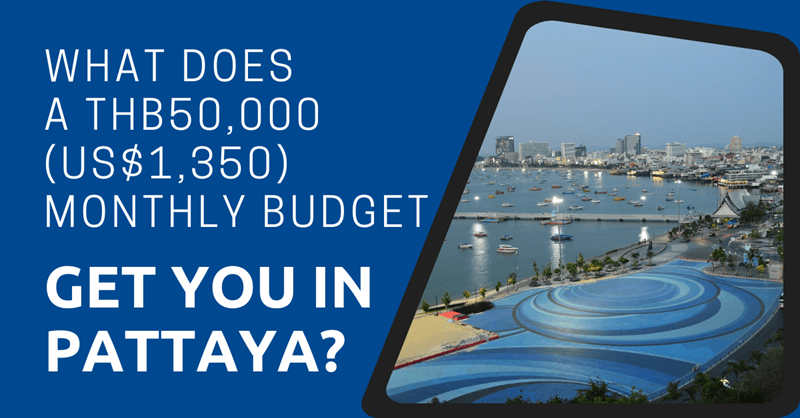
Pattaya’s reputation is all nightlife, but the city most expats actually live in is a convenient, well-serviced beach hub with excellent hospitals, an organized expat scene, and good schools. Here’s the practical version, beyond the Walking Street cliché.
There’s a famous line about Pattaya that circulates on every expat forum: “Good guys go to heaven, bad guys go to Pattaya.” It’s been repeated so many times it’s lost whatever truth it once had, and it does the city a genuine disservice as a guide for anyone actually thinking about living here.
The reality is that Pattaya is one of the most practical beach cities in Thailand. Healthcare quality is excellent. The food scene is genuinely diverse. The city is easy to navigate. Everything you need for daily life is close. And for a certain kind of expat, particularly retirees who want convenience, good medical access, and something to do, it’s hard to beat.
The nightlife is real, the red-light district exists, and those things shape the character of certain parts of the city. Anyone considering a move here should understand that and factor it in. But making it the entirety of the story misses most of what Pattaya actually is for the people who live here long-term.
Disclaimer: Some links in this article go to our partners, and we may earn a commission if you use them. It costs you nothing extra, and we only recommend services we'd use ourselves. Read more in our Advertising Disclosure.
Contents
- Key Takeaways
- About Pattaya
- Pros and Cons
- Quality of Life
- Cost of Living
- Accommodation
- Food
- Getting Around
- Long-Distance Travel
- Visas and Registration for Pattaya Expats
- Healthcare
- Social Life and the Expat Community
- Nightlife
- Activities
- Education and Family Life
- Weather and Air Quality
- Popular Neighborhoods
- Should You Live in Pattaya?
- FAQ
- What's the best neighborhood in Pattaya for retirees vs. families?
- How much does it cost to live in Pattaya per month?
- Do I need a car or motorbike to get around Pattaya?
- Which immigration office handles visa extensions and 90-day reports for Pattaya?
- Do retirees need private health insurance to live in Pattaya?
- Is Pattaya or Hua Hin the better choice for retirees?
- Is Pattaya safe to live in day-to-day, beyond the tourist areas?
- Does Pattaya flood, and which areas should I avoid?
Key Takeaways
- Pattaya is one of Thailand’s most developed beach cities, with infrastructure comparable to Bangkok but on a much more manageable scale.
- A comfortable expat lifestyle costs around THB40,000 to 50,000 per month for a single person. Many expats spend THB55,000 to 72,000.
- Pattaya is a renter’s market: negotiating 10 to 20 percent off asking rent is realistic, and short-term rentals are easy to find.
- Bangkok Hospital Pattaya is JCI-accredited with ICHOM certification for cardiology, making it one of the leading private hospitals on the eastern seaboard. Jomtien Hospital covers the south of the city with 200 beds.
- The expat community is large and organized, anchored by institutions like the Pattaya City Expats Club (PCEC), which holds weekly Wednesday meetings.
- No mass public transport exists; songthaews (baht buses), Grab, Bolt, and your own scooter are the practical options.
- Regents International School Pattaya, part of the Nord Anglia network, is the flagship international school option, with A-levels, IBDP, and around 1,100 students from 50+ nationalities.
- Pattaya floods regularly after heavy rain; checking flood history before choosing accommodation is important.
About Pattaya
Pattaya started as a small fishing village in Chon Buri Province on Thailand’s eastern seaboard. What it is now, one of the most visited cities in the world and a major expat hub, is the result of decades of rapid, tourism-driven development.
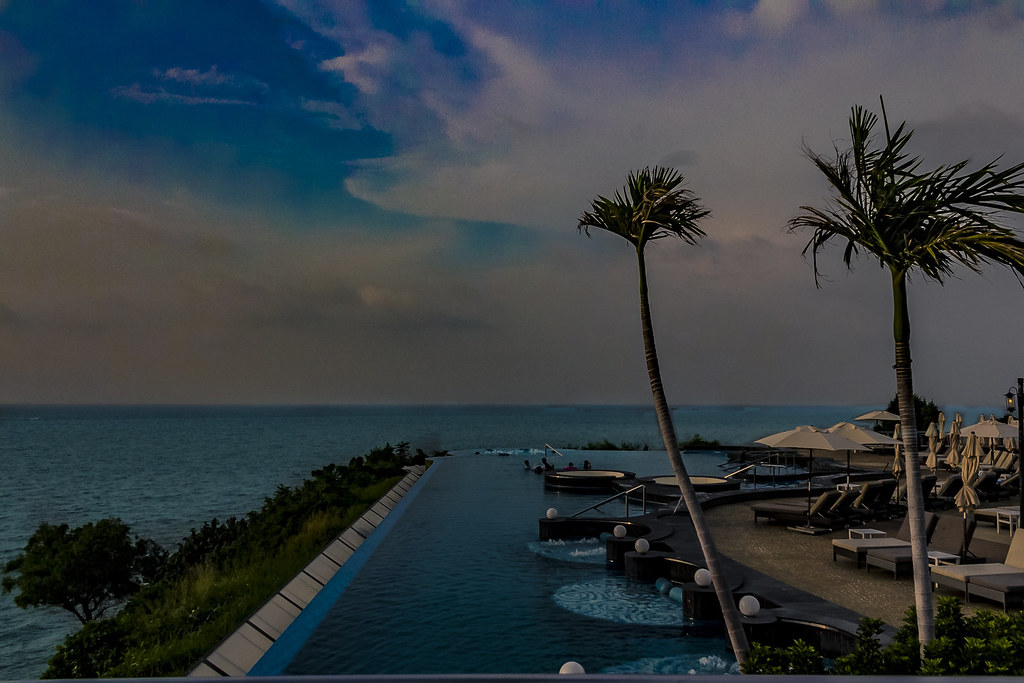
The city runs along the Gulf of Thailand coast and is divided roughly by Sukhumvit Road:
- the beach side to the west holds the entertainment areas
- the residential areas spread east and south
- Jomtien Beach to the south is calmer and more family-oriented
- Phra Tamnak Hill sits between, offering a quieter middle ground with beach access
- North Pattaya and Naklua lean more residential
Bangkok is about 90 minutes away by road, giving Pattaya a connection to the capital without the full weight of city life.
Pros and Cons
Reasons to move to Pattaya:
- One of the most convenient cities in Thailand: food, healthcare, shopping, and services are all easy to access
- Healthcare quality at Bangkok Hospital Pattaya rivals Bangkok’s best private hospitals
- Large, organized expat community with active social clubs and sports groups
- Strong international school options for families
- Good variety of food from local Thai to authentic international cuisine
- No need to speak Thai to live well here
- Easy Bangkok access for major travel or specialist medical needs
Reasons it might not work for you:
- Cost of living among the highest in Thailand
- The nightlife character shapes certain parts of the city, which may not suit everyone
- City beaches are not attractive; swimming and water activities require going elsewhere
- Regular flooding during the rainy season in several neighborhoods
- Heavily Westernized: finding authentic Thai culture and food in tourist areas can be difficult
- Petty theft in tourist zones is more common than in other Thai cities
- No mass public transport; reliance on songthaews, ride apps, or your own vehicle
Quality of Life
The quality of life in Pattaya is high by Thai standards, and the people who live here long-term tend to emphasize convenience as the defining feature:
- food is everywhere
- healthcare is excellent
- the roads work
- nothing takes more than 30 minutes to reach
That combination is rarer in Thailand than it sounds. What the city lacks is the authenticity and slower pace you’d find in Chiang Mai or a provincial city. Pattaya has been built for visitors and the service economy around them, and that shapes daily life in ways that accumulate:
- tourist-priced restaurants
- areas that feel built for tourists rather than residents
- a large red-light district
Cost of Living
Pattaya is among the more expensive cities in Thailand. It’s roughly comparable to Bangkok for most categories, slightly more expensive in some, and significantly more if you’re drawn into tourist-facing restaurants and services regularly.
A realistic monthly breakdown for one person:
- Rent: THB8,000 to 30,000 depending on location and type
- Food: around THB15,000 for a mix of local shops, market meals, and occasional restaurants
- Transportation: THB3,500 for a scooter and fuel, or slightly more for regular ride-hailing
- Health insurance: THB3,500 for a mid-tier plan covering private hospital treatment. See our Thailand health insurance guide for specific plans.
- Utilities: THB3,000 for electricity, water, and internet
- Social activities: THB2,500 for drinks, outings, and market evenings
- Visa-related: THB500
- Travel: THB5,000
- Miscellaneous: THB2,000
- Total: THB43,000 to 65,000 per month
Key tradeoffs:
- For a beachside condo near the city rather than Phra Tamnak, budget at least THB25,000 for rent. For a genuine sea-view unit, THB30,000 or more.
- If you’re retired and over 60, health insurance costs increase substantially. Budget THB7,000 or more per month for solid coverage.
- With school-age children at an international school, budget at minimum THB150,000 per month total to cover school fees and living costs.
- If you want to party or eat at good restaurants most evenings, THB80,000 per month is a more realistic baseline.
For a full picture of costs across Thailand, see our cost of living in Thailand guide.
Accommodation
Pattaya is a renter’s market: supply is high, vacancy is common, and 10 to 20 percent off the listed price is frequently achievable, particularly for longer leases or in shoulder seasons. English-speaking real estate agents are plentiful and easy to find.
Modern Condos
The most popular option for expats. Most are fully furnished with pool and gym, well-located near malls or beaches. As a rule, the closer to the beach, the higher the price.
- A 43-square-meter condo in Jomtien with a city view at a building like Acqua Condominium runs around THB13,500 per month.
- A beachfront 44-square-meter unit at AERAS on Soi Jomtien 17 runs over THB30,000.
- A luxury 72-square-meter panoramic sea-view unit at Andromeda, with two bedrooms and a bathtub, runs around THB50,000.
- Budget options like Park Lane Condominium in less central locations start at THB8,000.
Houses and Villas
A two-bedroom house in a convenient location starts at THB15,000 per month. The east side of the city offers more house and villa inventory at lower prices. Villas range from THB30,000 to well over THB100,000 depending on size and facilities.
Budget Options
Basic apartments in Naklua and outer areas start at THB5,000 per month, and some furnished rooms in older buildings go even lower. Facilities will be limited, but the location may suit people who don’t need to be central. The tradeoff is that condition varies widely and in-person inspection before signing is essential.
For general guidance on renting in Thailand, see our apartment rental guide.
Food
Pattaya’s food scene is genuinely strong, and one of the things the expat community consistently praises. The city has been feeding an international population for decades and the variety shows.
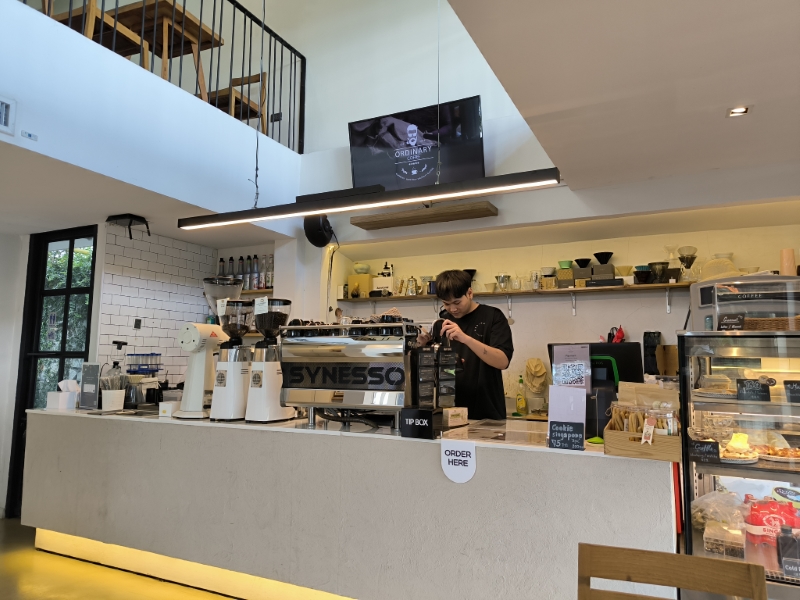
Local Thai Food
Local shops and food courts run THB50 to 80 per meal in non-tourist areas. The food court in Terminal 21 Pattaya reliably undercuts most street food prices in the surrounding area, with Thai meals under THB50. For a cheap, reliable daily meal, it’s hard to beat.
Finding simple local food in the tourist strips is genuinely harder than it should be, because tourist-facing restaurants have displaced many local shops in those areas. Venturing slightly off the main roads or into the residential areas east of Sukhumvit produces much better value and more authentic food.
International Food
The city has one of the most developed international restaurant scenes outside Bangkok. German, Italian, British, Indian, Japanese, and American food are all well-represented, particularly around North Pattaya Road and Jomtien Beach. Prices run THB300 to 400 per meal at a standard sit-down restaurant.

Night Markets and Evenings Out
Pattaya Tree Town Night Market and Pattaya Marina Night Market are good for an easy, relaxed evening. Both offer food, drinks, and a mix of Thai and international vendors at reasonable prices. They’re the right choice on nights when you want the Pattaya atmosphere without the Walking Street version of it.
Groceries and Delivery
Lotus’s, Big C, Makro, and Tops Market are all available in Pattaya for standard grocery needs. Food delivery through LINE MAN and GrabFood covers the city well and is widely used by residents, particularly in areas where good local shops are thin.
Getting Around
Pattaya has no mass public transport. The options are songthaews, ride-hailing apps, motorcycle and car taxis, and your own vehicle.
- Songthaews (baht buses) are the most-used public option. They run circular routes around the city for THB10 per trip and are the everyday transport for both locals and expats. Knowing which route covers your area is the practical knowledge you pick up in the first few weeks.
- Grab and Bolt are both available and reliable throughout the city. A 7-kilometre ride runs around THB100. Good for when you don’t want to figure out the songthaew route or need to travel at night.
- Motorcycle taxis operate at fixed rates from designated spots near malls and tourist areas. Negotiate the price before getting on.
- Scooters are the practical choice for daily independence. A used motorbike runs under THB20,000, with fuel and maintenance adding around THB2,000 to 3,000 per month.
Safety note: Pattaya has more motorcycle accidents than most Thai cities, particularly at night near the red-light district due to drunk drivers. Daytime riding is straightforward; night riding in entertainment areas requires more caution than in other cities.
Long-Distance Travel
Long-distance travel from Pattaya is easy by road.
- Suvarnabhumi Airport is about 90 minutes away, making it practical for flights without an overnight Bangkok stay.
- U-Tapao International Airport is 45 minutes away and serves domestic routes including Chiang Mai, Phuket, Hat Yai, and Khon Kaen, plus international routes to several regional destinations.
Visas and Registration for Pattaya Expats
Pattaya doesn’t have its own visa system. Whichever visa route you use, applying and renewing works the same way here as anywhere else in Thailand. The city’s mix of retirees, remote workers, and long-term residents tends to cluster around a few common routes:
- Retirees (50 and over): the Non-Immigrant O-A or annual retirement extension is the standard route. See our Thailand retirement visa guide for the income and deposit requirements.
- Remote workers: the Destination Thailand Visa (DTV) is the current route for people working for a foreign employer or as a freelancer. See our DTV guide.
- Long-term, higher-income residents: the Long-Term Resident (LTR) visa suits some retirees and remote professionals who meet its income thresholds. See our LTR visa guide.
Whichever visa you’re on, paperwork gets handled locally. Pattaya, Jomtien, and the rest of Banglamung district fall under the Chonburi Immigration Office, which handles 90-day reports, extensions of stay, and TM30 address notifications for the area. If you rent, your landlord or agent is technically responsible for filing the TM30 within 24 hours of you moving in, though in practice this is often left to the tenant to chase.
Good to know: if you’ll be riding a scooter, you’ll need a Thai driving license or an International Driving Permit recognized in Thailand; insurance and traffic police increasingly check for one. See our Thai driving license guide for how to get one as a resident.
Read more: Mandatory health insurance rules for retirees if you’re renewing an O-A visa, which carries its own insurance requirement separate from the general coverage discussed below.
Healthcare
Healthcare in Pattaya is one of its strongest features, and a major reason why retirees choose it over other beach cities.
- Bangkok Hospital Pattaya is the city’s flagship private hospital, with over 400 inpatient beds and specialist clinics covering cardiology, neurology, orthopedics, and more. A standard outpatient visit runs THB2,000 to 3,000; hospitalization can exceed THB30,000 per night.
- Jomtien Hospital is a 200-bed BDMS facility serving the south Pattaya and Jomtien area, opened in 2020. It offers surgical, orthopedic, gynecological, pediatric, emergency, and ICU services, and is generally less expensive than Bangkok Hospital Pattaya while maintaining similar standards.
- Pattaya International Hospital and Pattaya Memorial Hospital are more affordable private alternatives. Both have 80 beds, 24-hour emergency service, and English-speaking staff. Facilities are older than the BDMS hospitals, but many expats use them for routine care and report good experiences at more manageable cost.
- Pattaya City Hospital and Bang Lamung Hospital are the public options. Significantly cheaper, but also significantly more crowded and harder to navigate without Thai language.
On insurance: the high cost of Bangkok Hospital Pattaya makes solid health insurance more than a suggestion here. A mid-tier expat plan covering hospitalization at private hospitals runs around THB3,500 per month for a 40-year-old, more for older ages. See our Thailand health insurance guide and our digital nomad health insurance guide for plan comparisons.
Social Life and the Expat Community
Pattaya’s expat community is larger and better organized than most people expect. While the city still has a reputation centered around nightlife, there is also an active long-term community built around practical support, hobbies, and social groups.
The Pattaya City Expats Club (PCEC) is among the biggest expat clubs here. It holds weekly Wednesday morning meetings that regularly attract 50 to 100 people, with presentations on practical topics like Thai tax, immigration, healthcare, banking, and local culture. Beyond PCEC, the community organizes around sports and shared interests: active cycling groups, tennis clubs, golf societies, rugby teams, swimming groups, and Muay Thai communities.
Facebook groups covering expat life in Pattaya have hundreds of thousands of members and are often helpful for practical questions, recommendations, and meeting people with similar interests. There’s also an informal social infrastructure built around coffee shops, gyms, and quieter restaurants outside the main nightlife areas.
Good to know: the people you meet in Pattaya depend on where you go. People who do best socially here are usually the ones who actively seek out sports clubs, meetings, and quieter social circles rather than defaulting to bar culture.
Nightlife
Pattaya’s nightlife reputation precedes it, and the reality is accurate: this is the most developed nightlife scene of any Thai city outside Bangkok, and it operates at an intensity that few places in the world match.
Walking Street in central Pattaya is the obvious landmark. It’s loud, crowded, and exactly what it’s reputed to be. The red-light district is real, significant, and concentrated enough that you can live in Pattaya for years without going near it if you choose not to.
Beyond Walking Street, the city has plenty of quieter evening options:
- rooftop bars near North Pattaya Road
- beachside seafood restaurants along Jomtien Beach
- the Tree Town and Marina night markets, which suit people who want an evening out without the full Walking Street experience
Safety note: motorcycle accidents near entertainment areas at night are the main safety concern for expats, driven by drunk driving in those zones. The community’s consistent advice is straightforward: take a Grab after dark in those areas rather than riding.
Activities

Beaches and Water
The city beaches are not good. Pattaya Beach itself suffers from pollution and crowds. The practical alternatives are Wong Amat Beach in the north, which is larger and cleaner, and Jomtien Beach to the south, which has more space and genuinely good beachside restaurants. For a proper beach day with clear water and snorkeling, Koh Larn is a 20-minute speedboat ride or a 45-minute ferry from Bali Hai Pier and has several good beaches.
Attractions
Sanctuary of Truth is a remarkable all-wood temple under perpetual construction that’s worth visiting at least once. Nong Nooch Tropical Garden is an enormous botanical garden with cultural shows, popular with families. The Underwater World and Monster Aquarium serve families with children.
Sports
Golf courses within easy driving distance are numerous and well-priced compared to most Asian golf destinations. Muay Thai training is available at multiple gyms; O. Sansuk Muay Thai Gym is a consistent recommendation from the expat community for people who want to train without the competitive-fighter environment. MAX Muay Thai Stadium hosts regular fights that are popular with expats.
Other
Khao Chi Chan (Buddha Mountain), the Pattaya Floating Market, and Nong Nooch are all within easy distance.
Education and Family Life
Pattaya has surprised many expats by developing into a family destination alongside its entertainment identity. The international school options are real, the family activities are extensive, and East Pattaya in particular has developed a quiet, well-functioning residential expat family community.
- Regents International School Pattaya is the flagship option, part of the Nord Anglia Education network and located 20 minutes from central Pattaya. It offers the full British curriculum through IGCSE, plus a choice between A-Levels and the IBDP in the sixth form.
- Other international options include Mooltripakdee International School, Phoenix Wittaya School (Cambridge curriculum), Odyssey International School, and Hastin School (Oxford International Curriculum). Budget alternatives with English programs include Sawangboriboon Wittaya School and Satit Udomseuksa School.
Family activities are well-covered: Pattaya Sheep Farm, HarborLand, Pattaya Dinosaur Kingdom, and the water parks give families genuine options for weekend activities. The main concern for expat parents remains the red-light district, which is concentrated enough to be avoidable but visible enough in certain areas that it’s worth factoring into neighborhood choice.
Weather and Air Quality
Pattaya’s weather is generally good. Average temperatures range from 25 to 33°C throughout the year, slightly hotter from March to April and cooler from December to February. The rainy season runs from June to October and brings heavy rainfall.
Air quality is normally good for most of the year but dips between December and February, when AQI can reach 120 on bad days. This is less severe than northern Thailand during the burning season and significantly better than Bangkok on its worst days.
Flooding
Flooding is a real and recurring issue in specific areas. Flash floods after heavy rain are normal and typically clear within a few hours, but the frequency means choosing accommodation in a flood-prone area creates an ongoing nuisance. Known flood-prone areas include:
- Pattaya-Naklua Road
- Pattaya Beach Road (Soi 1 to Soi 6/1)
- Bongkot Soi
- Sukhumvit-Pattaya Soi 15
- Sukhumvit Road around Sois 69, 83, and 85
- Railway Road (Khao Noi Soi area)
East Pattaya has fewer flooding problems than the beach-side areas and is worth noting if this is a concern for you.
Popular Neighborhoods
Here’s the short version before the detail below. Relative rent levels are qualitative, since exact prices depend heavily on the specific building and season; see the Accommodation section above for actual price examples.
| Area | Best for | Relative rent | Flood risk |
|---|---|---|---|
| Phra Tamnak Hill | First-time movers wanting quiet + easy access | Mid to high | Lower |
| Jomtien Beach | Families and retirees wanting beach proximity | Mid | Moderate |
| Central Pattaya | People who want to be in the middle of everything | High | Higher (Beach Road area) |
| East Pattaya | Families prioritizing space and school proximity | Lower | Lower |
| Bang Saray / Sattahip / Ban Chang | Budget-focused, quieter lifestyle, willing to commute | Lowest | Varies by spot |
Phra Tamnak Hill
The first recommendation for most people considering a move to Pattaya. Slightly south of central Pattaya, quieter than the city center, closer to Jomtien Hospital and Jomtien Beach, and with genuinely good beachside access in a more residential atmosphere. Less tourist-oriented than central Pattaya without being disconnected from the city’s facilities. This is where I’d start looking.
Jomtien Beach
South of Phra Tamnak and more relaxed than central Pattaya. More choice of beachfront condos at better prices than the city center, with a good beachside restaurant scene. Popular with families and retirees who want beach proximity without central Pattaya’s noise and tourist density.
Central Pattaya
Convenient for everything, walkable to most facilities, and right in the middle of the city’s energy. The right choice for people who want to be part of the full Pattaya experience. Noisier, more expensive, and harder to find genuine beach access from. Some condos have significant noise issues from nearby bars.
East Pattaya
A quiet residential area on the inland side of Sukhumvit Road. Better housing for the money than beach-side areas, and less prone to flooding, though less convenient for beach access. Popular with families because of proximity to international schools and a genuinely community-oriented atmosphere around areas like Soi Siam Country Club and Mabprachan Lake. The right choice for families who want space and quiet over beach proximity.
Alternative Neighborhoods
- Bang Saray: further south of Pattaya, much cheaper, with beachside condos under THB10,000 per month. Activities are limited. Good for a simple, quiet lifestyle.
- Sattahip: south of Bang Saray, with a Thai Navy base and affordable gated community houses. Better air quality than Pattaya. Popular with Thai-foreigner couples.
- Ban Chang (Rayong): 40 minutes south, significantly cheaper, with good houses under THB15,000. An established retired expat community, close to Garden International School and SISB Rayong. See our full guide on living in Rayong.
- Sriracha: north of Pattaya, often overlooked. Convenient, more affordable than Pattaya, and genuinely functional for daily life. See our guide on living in Sriracha.
Should You Live in Pattaya?
Pattaya is the right city for a specific kind of expat:
- people who want maximum convenience alongside beach access
- retirees who prioritize healthcare quality and an organized social community
- families who need strong international schooling in a city that actually functions
- remote workers or business people who need developed infrastructure without Bangkok’s density
It doesn’t work well for people who want a quiet, authentic Thai experience or who find the tourist and entertainment character of the city uncomfortable over time. It also doesn’t suit people who want genuinely good beach quality as a daily feature, since that requires effort here rather than being on your doorstep.
FAQ
What’s the best neighborhood in Pattaya for retirees vs. families?
Most retirees start by looking at Phra Tamnak Hill or Jomtien Beach for the quieter pace and proximity to Jomtien Hospital. Families tend to lean toward East Pattaya, closer to the international schools and with more house-and-garden options for the money. See the neighborhood breakdown above for the full comparison.
How much does it cost to live in Pattaya per month?
A single person can live comfortably on roughly THB40,000 to 50,000 a month as of 2026, and many expats spend THB55,000 to 72,000 once dining out and social life are factored in. It rises sharply with a beachside condo, private international schooling, or older-age health insurance. See the full monthly breakdown above.
Do I need a car or motorbike to get around Pattaya?
Not strictly. Songthaews, Grab, and Bolt cover the city well for day-to-day trips. A scooter adds convenience and is the practical choice if you live further from the main routes, but it’s not essential the way it is in some smaller Thai towns.
Which immigration office handles visa extensions and 90-day reports for Pattaya?
The Chonburi Immigration Office, based in Jomtien, covers Pattaya and the rest of Banglamung district for extensions of stay, 90-day reports, and TM30 address notifications. Confirm current hours and any online reporting options before your first visit, since office procedures can change.
Do retirees need private health insurance to live in Pattaya?
If you’re on a retirement (O-A) visa, Thai immigration requires a minimum level of health insurance as a condition of the visa itself, separate from whatever coverage you’d want for peace of mind. See our mandatory health insurance rules for retirees for the current thresholds.
Is Pattaya or Hua Hin the better choice for retirees?
It depends what you’re optimizing for. Pattaya wins on healthcare depth, international variety, and convenience; Hua Hin is calmer and less nightlife-driven. We’ve done a full side-by-side in our Hua Hin vs. Pattaya guide if you’re weighing the two.

Is Pattaya safe to live in day-to-day, beyond the tourist areas?
For residents living outside the entertainment zones, day-to-day safety is comparable to other Thai cities; the main practical risk is motorcycle accidents at night near the nightlife areas rather than crime against residents. For tourist-specific safety topics like scams and pickpocketing, see our dedicated is Pattaya safe guide.
Does Pattaya flood, and which areas should I avoid?
Yes, flash flooding after heavy rain is a recurring seasonal issue in specific low-lying spots, particularly around Pattaya-Naklua Road, parts of Beach Road, and several Sukhumvit sois. East Pattaya has fewer flooding problems. Check a building’s flood history before signing a lease if this matters to you.


 Deutsch:
 Français:
'/%3E%3Cpath%20fill='%23b2b2b2'%20d='M241%20382q0%2016%2017%2026%2017%2011%2042%2011t42-11q16-11%2017-26V269H241'/%3E%3Cpath%20fill='%239f7e00'%20d='M241%20379q0%2014%208%2023%209%209%2021%209%2014%200%2021-9%209-9%209-23V269h-59'/%3E%3Cpath%20d='M241%20339v-70h59v110q0%2014-9%2023l-6%205v-68h-15v72q-8%200-14-4v-68zm59%2040c0%2022%2015%2032%2029%2032%2021%200%2030-18%2030-32v-40h-59'/%3E%3Cpath%20fill='%239f7e00'%20d='M266%20277v5h2v12h-3v-5h2v-5h-9v5h2v5h-4v9h3v18h-5v10h34v-10h-5v-18h3v-9h-4v-5h2v-5h-9v5h2v5h-3v-12h2v-5zm42%20101q0%2010%206%2017%206%206%2015%207%2010-1%2016-7%206-7%206-17v-29h-43'/%3E%3Ccircle%20fill='%230044ad'%20cx='329.5'%20cy='372'%20r='6'/%3E%3Cellipse%20fill='%230044ad'%20cx='300'%20cy='340'%20rx='16'%20ry='21'/%3E%3C/svg%3E) Español:
Español: