Parts of Bangkok are drying out, but large areas, especially in the east and north, are still flooded and could stay that way for up to two weeks. If you’re standing in a damp condo or a muddy ground floor right now, this guide covers what to do next: how to clean up safely, which health risks to watch for, and what insurance and the government can actually pay for.
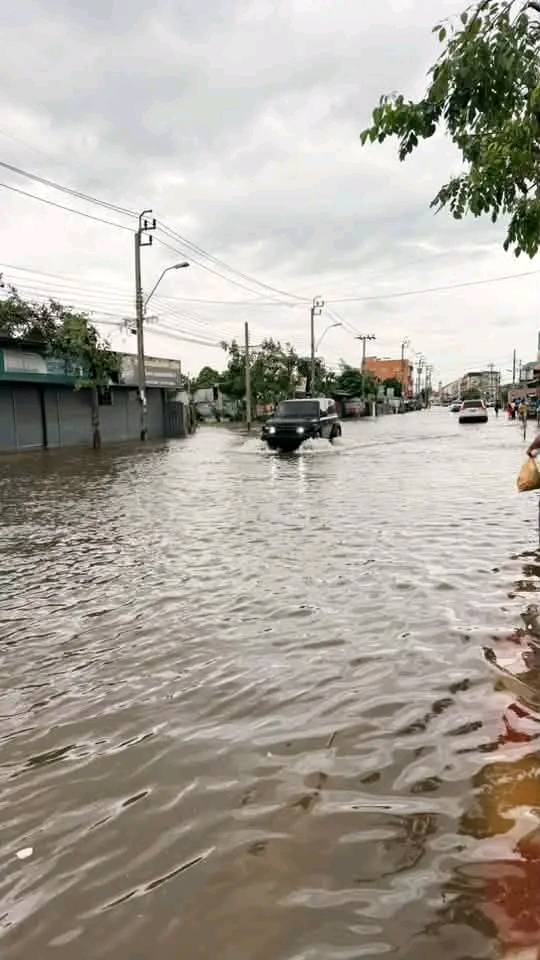
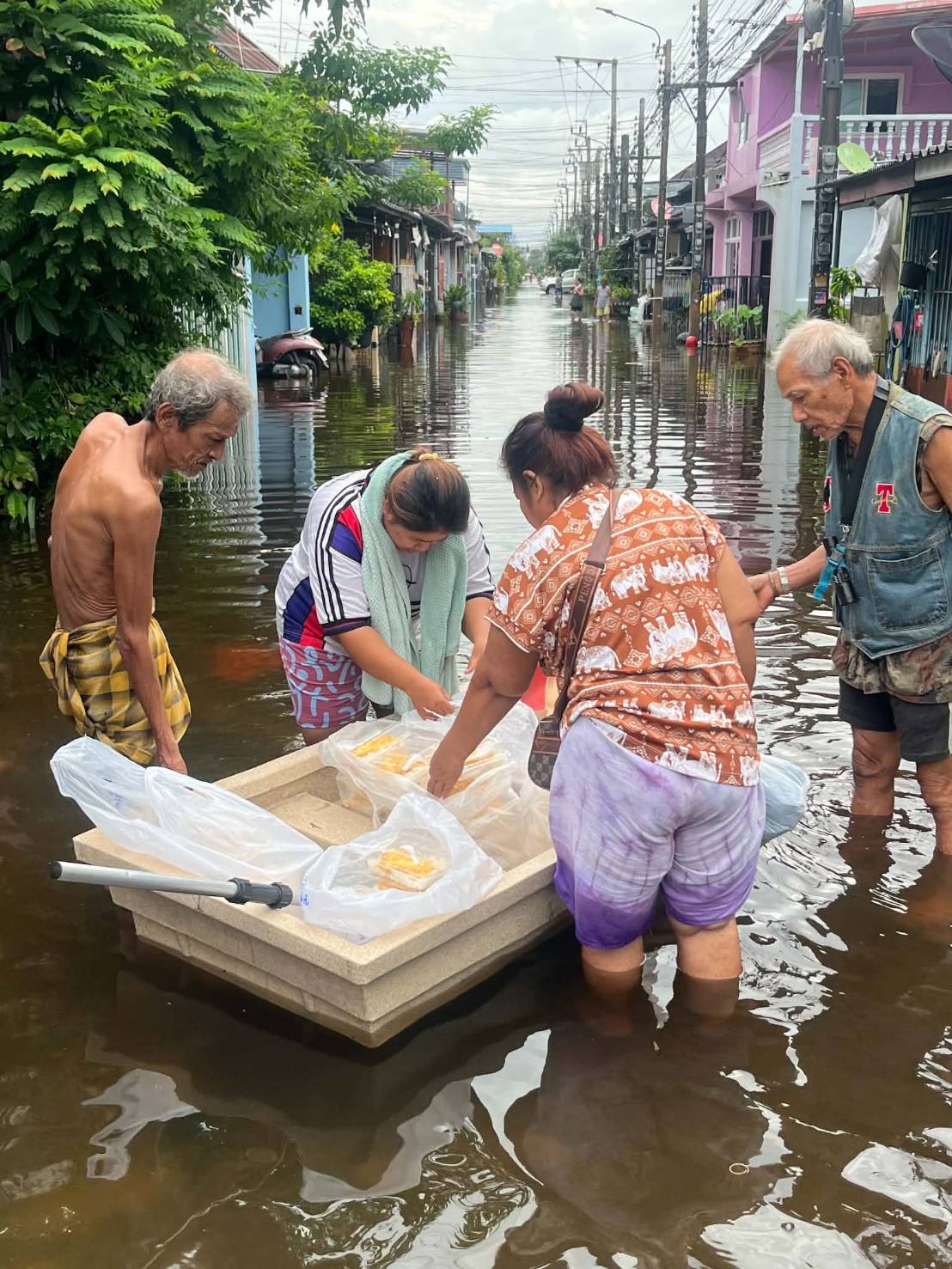
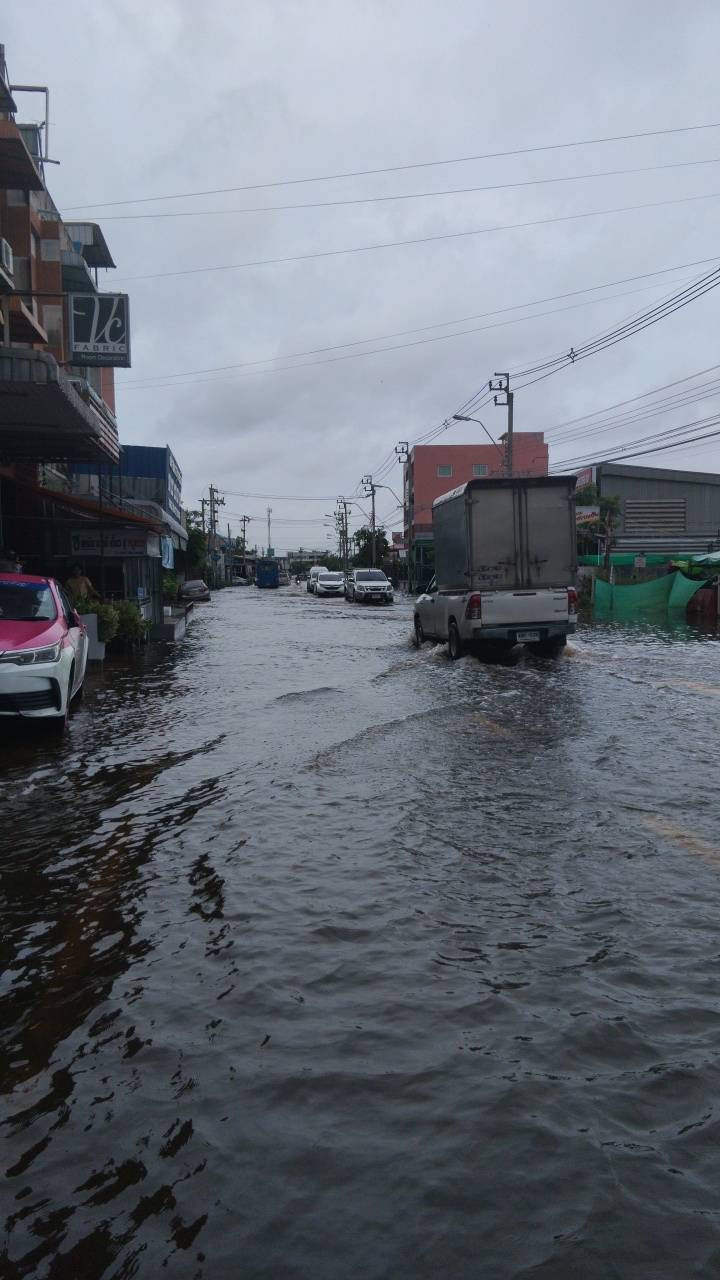
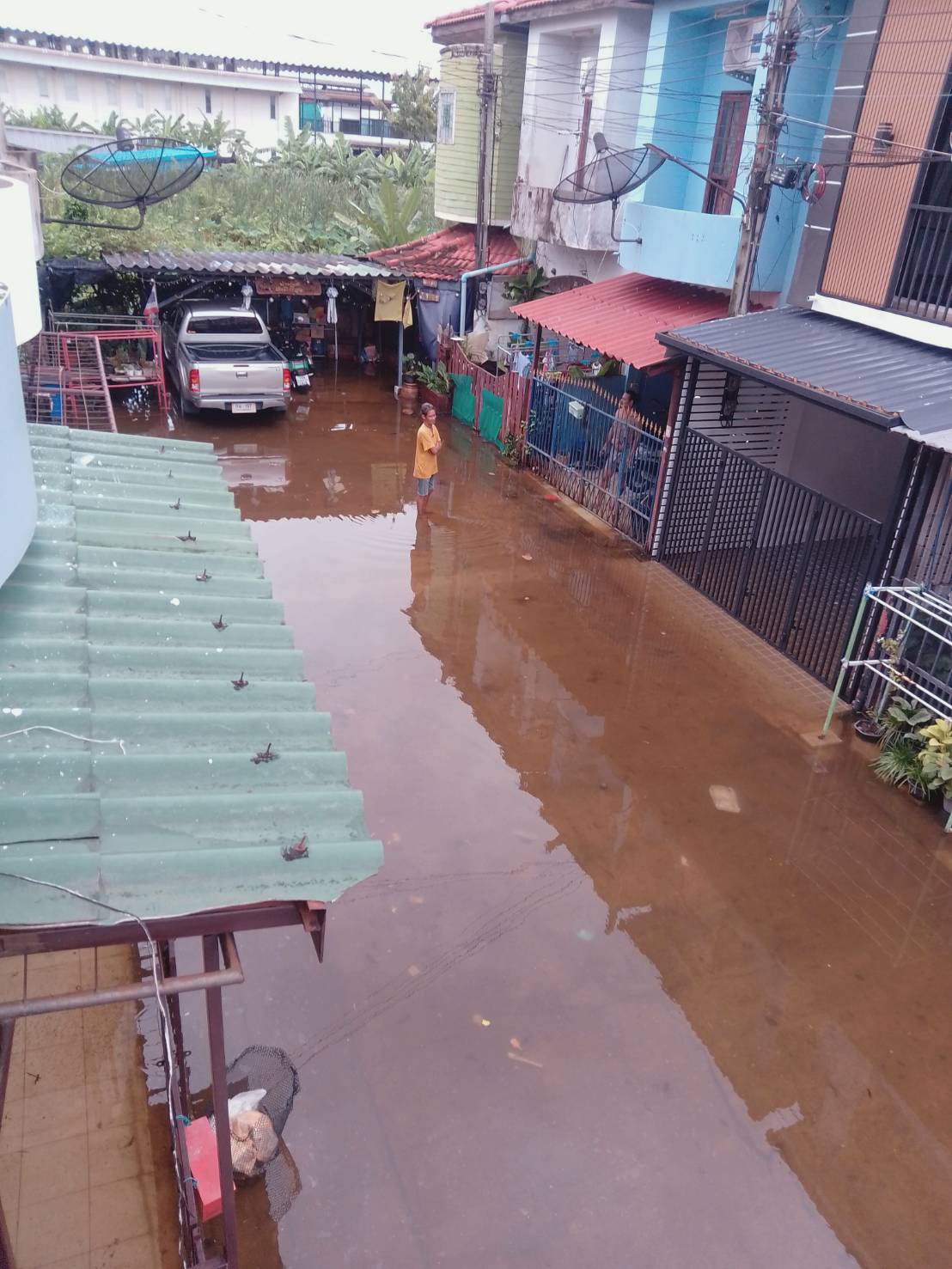
Heavy rain from September 24 flooded all 50 Bangkok districts. About 329,000 households, roughly 700,000 people, were affected to some degree. Main roads should clear within two to three rain-free days, but Governor Chadchart Sittipunt says flooded residential communities in the outer districts could take around two weeks to fully dry out, since drained water keeps flowing back into the canals.
The worst-hit areas as of Monday, all sitting along canals still at critical levels:
- East: Lat Krabang, Khan Na Yao, Bang Kapi, On Nut, Ramkhamhaeng, Suan Luang, Saphan Sung, Min Buri
- North: Lak Si, Don Mueang
The Cabinet also made September 28-29 special holidays in Bangkok, Nonthaburi, Pathum Thani and Samut Prakan. Immigration Division 1 closed all its Bangkok service centers both days, so any visa errands can wait.
This guide picks up where the emergency ends and the mopping starts: what order to do things in, what to throw away, the infections to watch for, and how to claim what you can.
Contents
Key Takeaways
- Photograph and video every damaged room before you move or throw anything out. Insurers and the government compensation process both rely on that evidence.
- Dry everything within 24-48 hours if you can, and throw out soaked carpets, mattresses and wet gypsum board.
- Don’t switch the power back on, or start a car or motorbike that sat in water, until someone qualified has checked it.
- A sudden high fever, bad headache or muscle pain one to two weeks after wading through floodwater needs a doctor. Tell them about the flood exposure, since leptospirosis responds well to early antibiotics.
- Bangkok’s 1555 hotline takes general flood assistance requests 24 hours a day.
- The government pays a one-time THB9,000 per affected household in declared disaster areas. Whether foreign residents can apply is unclear, so ask at your district office.
- The new national disaster insurance scheme only starts on October 1, 2026, so it almost certainly won’t pay for this flood.

Before You Start Cleaning: Quick Safety Checks
Before you start cleaning a flooded home in Bangkok, make sure the electrics and the structure are safe, because water and live wiring are a worse combination than water and furniture.
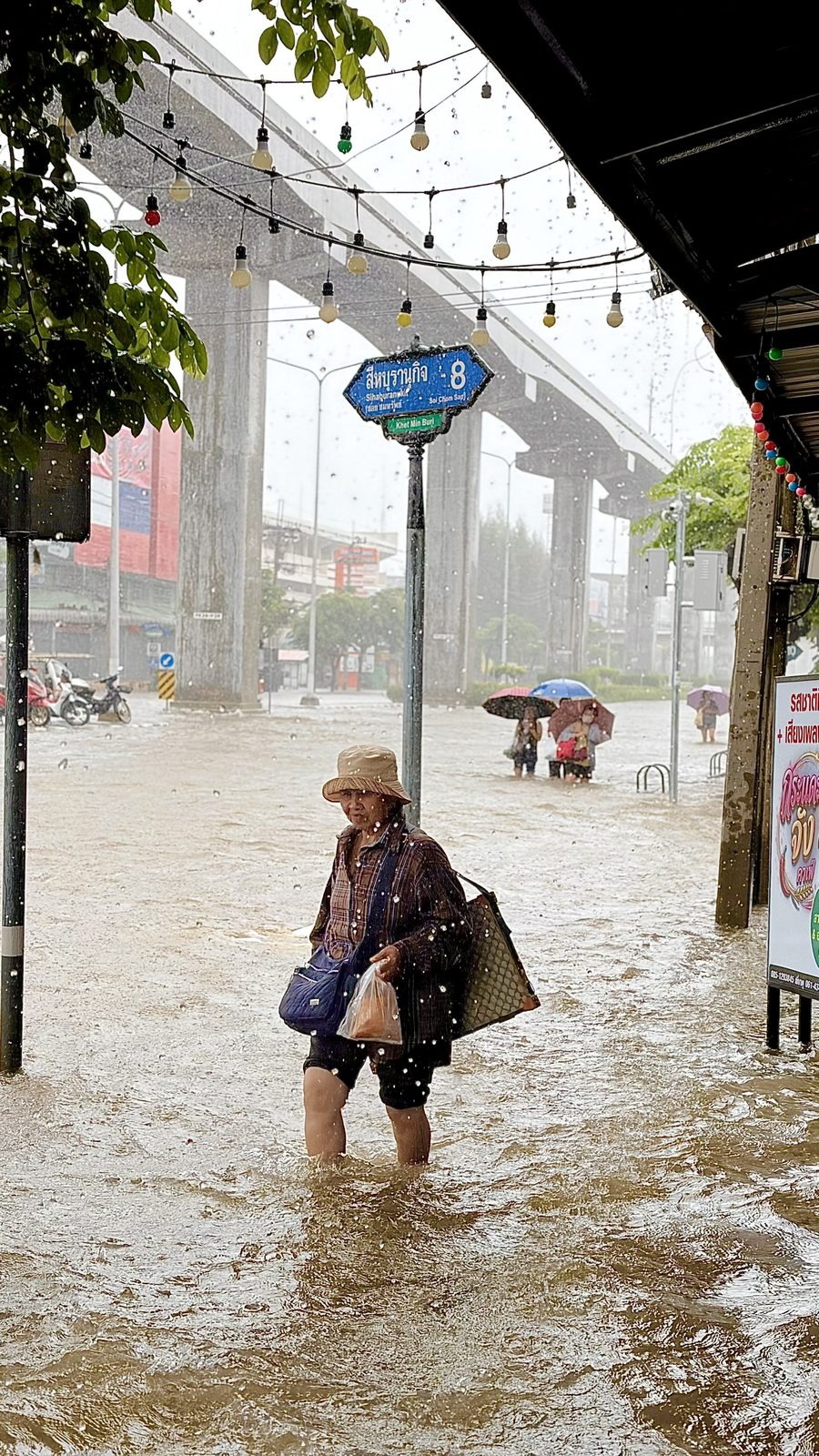
- Electrical panel and sockets: if anything near the breaker box or the outlets got wet, don’t touch it. Leave the main breaker off until an electrician (or your condo’s building technician) has checked the wiring and says it’s safe.
- Downed or low cables: stay out of any water near fallen power lines or a flooded transformer. Report it rather than wading past.
- Structure: look for new cracks, sagging ceilings, doors that suddenly stick and soft or lifting floors. If a ceiling board is bulging with water, keep out from under it.
- Gas: if you smell gas from a cooking cylinder, leave, keep switches alone and ventilate from outside if you can.
If the situation around you is still an active emergency, with rising water, someone injured or trapped, the numbers and steps are in our separate guide.
Read more: Emergencies in Thailand: What to Do and Who to Call
How to Clean Up After a Flood, Step by Step
Flood cleanup goes in a fixed order: record the damage, dry the place out, remove anything porous that got soaked, disinfect hard surfaces, and then keep watching for mold. Doing it out of order mostly costs you money, either in a rejected claim or a mold problem three weeks later.
1. Document Everything First
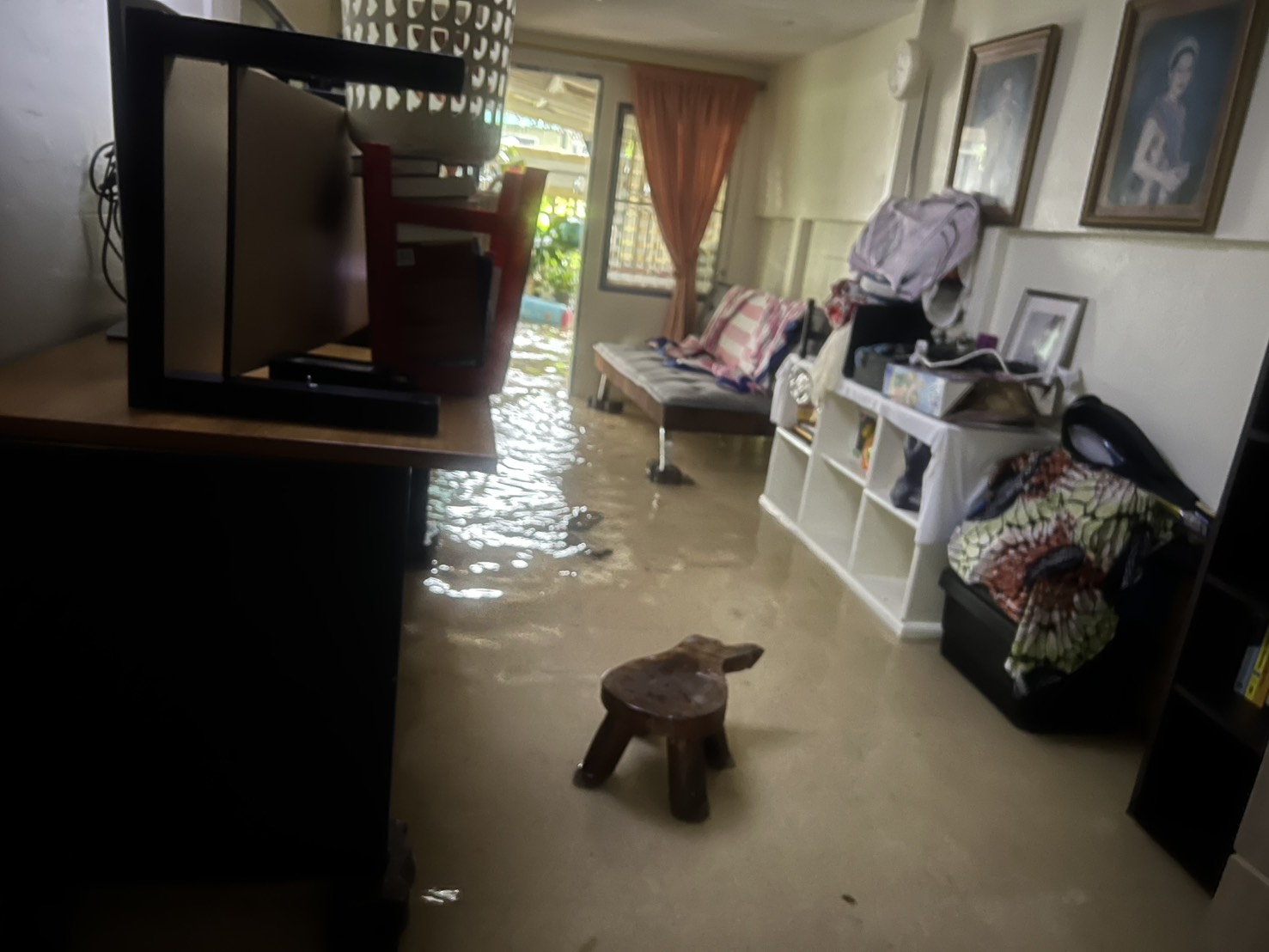
Take photos and video of all the damage before you move, dry or throw out anything. Go room by room, film the waterline on the walls, and get close-ups of damaged furniture, appliances and model or serial numbers on electronics.
Your phone stamps the date on every file, but a shot of today’s newspaper or your phone’s lock screen in the first frame does no harm. The Bangkok Metropolitan Administration has specifically told residents to photograph flood damage to support future assistance applications, and your insurer will want the same thing.
Renting? Send the photos to your landlord in writing (LINE is fine) the same day, before anything of theirs goes in the bin.
2. Ventilate and Start Drying Immediately
Once it’s safe, open every window and door and get fans running around the clock. Move them to a different spot every few hours so no corner stays damp, and run a dehumidifier or the air-con on dry mode if the power has been cleared.
Pull furniture away from the walls and open up cupboards and drawers. Anything that can go outside to dry in the sun, should.
3. Throw Out Soaked Porous Materials Within 24-48 Hours
In Bangkok’s heat and humidity, mold sets in fast, usually within 24 to 48 hours. Anything porous that can’t be fully dried out in that window usually has to go.
Items that usually can’t be saved after sitting in floodwater:
- Carpets, rugs and underlay
- Mattresses and pillows
- Upholstered sofas and chairs
- Wet gypsum board (the plasterboard used for most Thai partition walls and ceilings) and any insulation behind it
- Particleboard furniture that has swollen
Floodwater carries sewage, which is why these go even if they look like they might dry out. Cut wet gypsum board off at least a little above the waterline so the frame behind it can dry. Photograph everything before it leaves the house (step 1 again, yes).
4. Clean and Disinfect Hard Surfaces
Hard surfaces that touched floodwater, such as tiled floors, sealed concrete, glass, metal, sinks and countertops, need two passes. First hose or wipe off the mud with detergent and water, then disinfect.
Thailand’s Department of Health recommends a bleach solution of 300ml, about one measuring cup, per 3.8 litres of water for surfaces with visible mold. Mop or wipe it on, let it sit for 15 to 30 minutes, then rinse with clean water. Any bleach sold in a Thai supermarket works the same way, Haiter and Clorox included. (Verified September 2026.)
Don’t like the smell of bleach? White vinegar sprayed straight onto mold and left for 15 to 20 minutes before scrubbing works almost as well on tiles and grout.

- Never mix bleach with ammonia, vinegar or other cleaners. It releases toxic gas, and many Thai glass and bathroom cleaners contain ammonia.
- Ventilate: keep windows and doors open while you use bleach indoors.
- Protect yourself: rubber boots, rubber gloves and some kind of eye protection.
5. Leave Electronics, Appliances and Vehicles Off
Don’t plug in or switch on anything that got wet, even if it looks dry. A fridge, washing machine or water heater that sat in floodwater needs a technician to check it, and powering it up early can turn a repair into a replacement (or a shock).
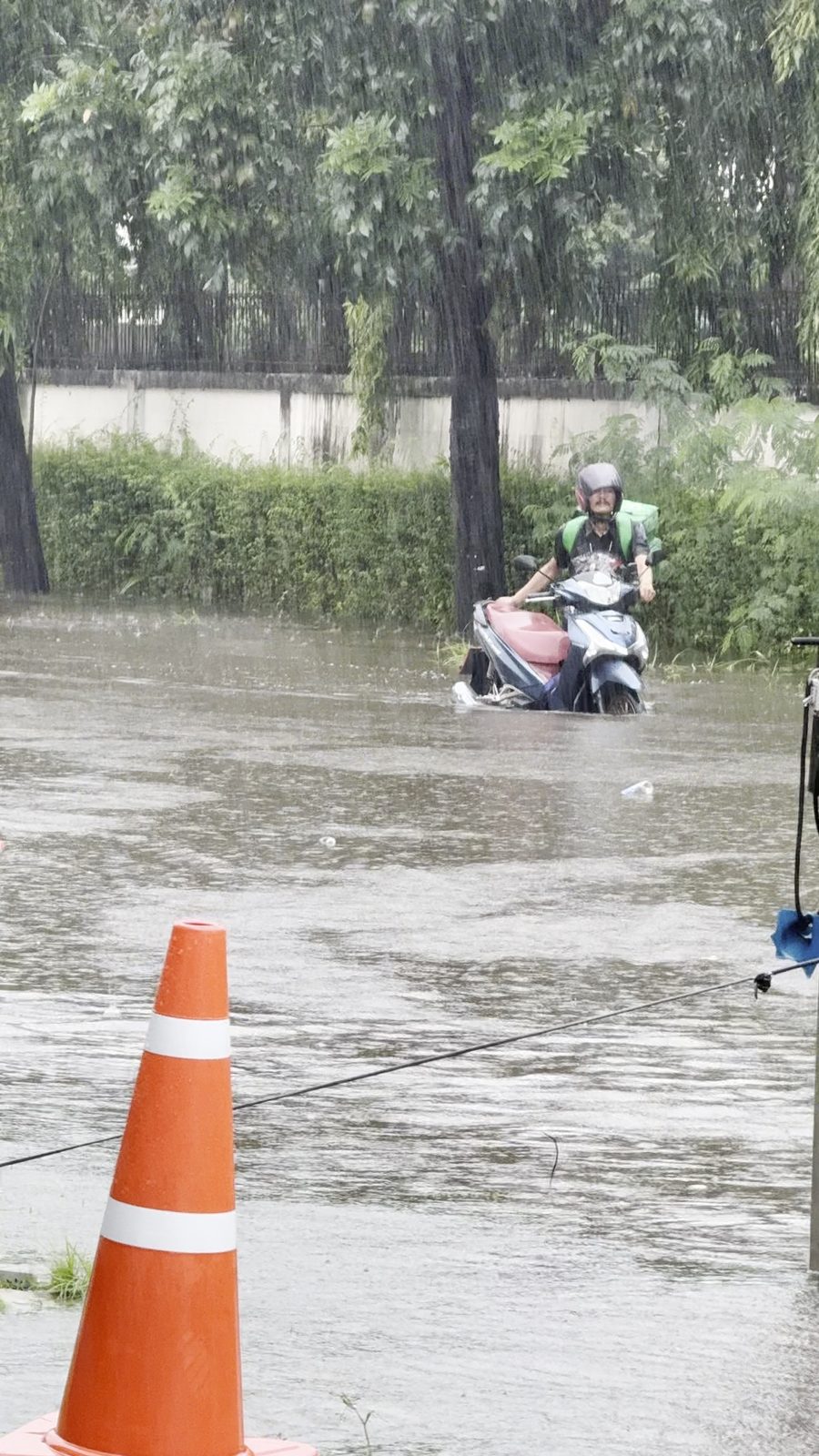
The same goes for cars and motorbikes. If water reached the engine or the seat, don’t try to start it. Water in the engine oil and the electrics can do far more damage on the first turn of the key than the flood did, so have it towed or pushed to a garage and tell them it was submerged. If you have comprehensive car insurance, call the insurer before the garage does anything.
6. Keep Checking for Mold for Weeks
Mold can show up weeks after a flood, even when surfaces look dry. It hides behind gypsum board, under flooring, inside cupboards and behind furniture pushed against a wall.
A musty smell is usually the first sign. Check those spots every few days for the next month, and if mold keeps coming back in the same patch of wall, the material behind it is still wet and needs to come out.
Where to Get Help With the Cleanup
Bangkok’s 1555 hotline takes general flood assistance requests 24 hours a day, and your district office (khet) handles sandbags and clears rubbish and debris from drains as the water goes down. The city also takes reports through Traffy Fondue, including on LINE at @Traffyfondue, which is handy if you want to send a photo of a blocked drain or a pile of flood debris.
Before you head out to buy cleanup supplies or check on a second property, the BMA’s flood alert map shows water levels street by street, updated from the city’s own sensors and cameras.
For emergency medical help, or help moving a bedridden person, the number is 1669.
Health Risks After the Water Goes Down
The main health risks after a Bangkok flood are leptospirosis from contact with contaminated water, dengue from mosquitoes breeding in leftover puddles, and infected cuts. All three are easier to prevent than to treat.
Leptospirosis
Leptospirosis is a bacterial infection you can catch from floodwater or mud contaminated with animal urine, mostly from rats, but also dogs and livestock. It gets in through cuts and scrapes, or through skin softened by hours in the water.
Thailand’s Department of Disease Control recorded 2,190 leptospirosis cases and 30 deaths nationwide between January 1 and July 21, 2026, before this flood started.
Symptoms usually appear one to two weeks after exposure:
- Sudden high fever
- Severe headache
- Intense muscle pain, especially in the calves and lower back
If that sounds like you after wading through floodwater, see a doctor and tell them about the flood exposure rather than treating it as flu. Early antibiotics work well.
While you’re cleaning, wear rubber boots and waterproof gloves, cover any cuts with a waterproof plaster first, and scrub your skin with soap and clean water as soon as you’re done.
Dengue
Standing water left behind by the flood is where dengue mosquitoes breed, so the risk rises in the weeks after the water drops. Once it’s safe, tip out anything holding water around your home: buckets, plant pots and saucers, blocked gutters, old tyres, even a bottle cap on the balcony.
Skin and Wound Infections
Any cut that touched floodwater should be washed with soap and clean water and kept covered. Redness that spreads, swelling, heat or pus means a trip to a clinic, not another day of waiting.
Read more: Monsoon and Flash Flood Safety Guide for Expats
If You Already Have Insurance: What to Do Right Now
If you have home, contents or car insurance, call your insurer or broker now, before you finish cleaning up. Claims move faster when the insurer hears about the damage early, and some will want to send an assessor before you throw anything away.
- Your photos are your evidence. The pictures and video from step 1 are what the claim will rest on. Most insurers expect you to stop damage getting worse (drying out, moving things to safety), but record it before you do.
- Keep every receipt. Fans, a dehumidifier, a plumber, an electrician, a mold treatment service. Many policies reimburse reasonable costs you paid to prevent further damage.
- Keep damaged items if you can, or at least keep photos of them with their labels, until the insurer says they can go.
Condo owners and renters should know what the building’s insurance actually pays for. The condo’s owners’ corporation, called the juristic person under the Condominium Act, insures the shared parts of the building: the lobby, the lifts, the pool, the structure itself. Your unit is your own property, so that policy was never going to cover your sofa, your laptop or your wardrobe. Ask the building office what their policy covers, and if you want your own belongings protected, you need your own contents policy.
Check your policy schedule too, because flood cover isn’t automatic. Many home and car policies either leave flood out or cap it well below the main sum insured. AXA’s Sabuydee My Home policy, for example, covers flood as a natural peril but limits windstorm, flood, earthquake and hail together to THB20,000 combined, however large the building or contents cover is. (Verified September 2026.)
Car insurance works the same way. Only voluntary cover pays for damage to your own vehicle, and flood may be included, excluded or capped depending on the policy.
Government Compensation Available Right Now
Confirmed: the THB9,000 payment amount, the August 25 Cabinet resolution, and the Nan payouts, all backed by government and news reporting.
Not yet confirmed: whether this same scheme pays out for Bangkok’s floods, and whether foreign residents can apply. Neither has been officially confirmed as of September 28, 2026. We will keep updating this article as clearer information comes out.
The Thai government pays a one-time THB9,000 per household whose primary residence was flooded in an officially declared disaster area during the 2026 rainy season. (Verified September 2026.) The criteria were set by a Cabinet resolution on August 25, 2026, and the same scheme started paying flood victims in Nan in early September.
Bangkok declared all 50 of its districts disaster areas on September 26. To qualify, the household’s primary residence has to be in a declared area and either:
- flooded for up to seven days with property damaged, or
- flooded for more than seven consecutive days.
You apply in one of two ways:
- Tang Rat app: the government’s app, which checks applicants against civil registration records and lets you track the application.
- In person: at your local administrative office, where staff can enter your details for you. In Bangkok that means your district office (khet); elsewhere, the local amphoe or municipal office.
In Nan, the money was paid through the Government Savings Bank, into a GSB account or a PromptPay account linked to the recipient’s national ID number.
Can Foreign Residents Claim the THB9,000?
This is unconfirmed, and the honest answer right now leans toward no. Nothing in the criteria explicitly excludes foreigners. They talk about a household’s primary residence, not nationality.
But Tang Rat verifies applicants against Thai civil registration, and payment runs through national-ID-linked PromptPay accounts. In Nan, every payout went to a Thai-ID-linked account. A foreign homeowner or renter probably cannot self-register through Tang Rat, though nobody has said so outright.
The practical move is to go to your district office in person and ask. Staff can enter an application manually, and they can tell you on the spot whether a foreign homeowner or renter is accepted. Bring your passport, your photos of the damage, and your house registration (tabien baan, yellow book for foreigners) or lease if you have one.
The New Disaster Insurance Scheme Won’t Cover This Flood
Thailand’s new government-funded disaster insurance scheme only covers events from October 1, 2026 to October 1, 2027, so it almost certainly won’t pay for damage from this flood. The Cabinet approved THB15.5 billion for it in September, and the government buys the group policies, so homeowners don’t sign up or pay a premium themselves.
For future events, it pays up to THB100,000 per home per incident:
- Flood: an initial THB10,000, plus up to THB90,000 more.
- Windstorm and earthquake: an initial THB5,000, plus up to THB95,000 more.
Residential cover applies to “the legal owners of homes recognised under civil registration law.” The announcement doesn’t mention nationality either way, so a foreigner who owns a condo as the registered titleholder plausibly qualifies. That isn’t confirmed, though, and how foreign-owned units get counted hasn’t been published yet. Renters aren’t named as covered at all.
For this month’s damage, the THB9,000 payment above is the program that matters.
Frequently Asked Questions
These are the questions that come up once the water is gone and the cleanup starts.
Can I throw out my landlord’s flood-damaged mattress or sofa?
Photograph it, send the photos to your landlord in writing, and agree on it before it goes. Soaked mattresses and sofas usually can’t be saved, but they belong to the landlord, and their insurer may want to see them.
How long after the flood should I watch for leptospirosis symptoms?
Symptoms usually appear one to two weeks after contact with contaminated water or mud. Keep an eye out for a sudden high fever, headache or muscle pain for at least two weeks after your last exposure, and that includes the cleanup days, not only the day you waded home.
Is it safe to turn my air-con back on after the flood?
Only once the power has been checked and if the indoor unit and outdoor compressor stayed dry. If floodwater reached the outdoor unit, have a technician inspect it first.
Where to Go From Here
If someone near you is still in danger, our emergencies guide lists the hotlines and what to do. For choosing home, contents or car cover before next rainy season, start with our insurance guide.
Sources Cited
- Nation Thailand, “Bangkok floodwater eases after affecting 329,000 households” (September 28, 2026): households and people affected, eastern districts still flooded, 1555 and 1669 hotlines.
- Nation Thailand, “Bangkok governor reports flood conditions beginning to improve” (September 27, 2026): two-to-three-day road drainage estimate versus roughly two weeks for residential areas, still-critical districts and canals.
- Nation Thailand, “Bangkok declares all 50 districts flood disaster areas on Sept 26”: disaster declaration, district-office sandbag and drain duties, Traffy Fondue and 1555 channels, advice to photograph damage.
- Bangkok Metropolitan Administration, flood alert map: live street-by-street water level tracking.
- Tourism Authority of Thailand, special public holidays on 28-29 September 2026: Cabinet holidays for Bangkok, Nonthaburi, Pathum Thani and Samut Prakan.
- Immigration Division 1, Special Public Holidays and Temporary Closure (September 28-29, 2026): closure of all Bangkok immigration service centers.
- Thai PBS, citing the Department of Health’s 4-step post-flood cleaning guide: bleach dilution ratio for mold (300ml per 3.8 litres), contact time, and the warning against mixing bleach with acidic or alkaline cleaners.
- Nation Thailand, “Thailand DDC Issues Warning as Rainy Season Bacterial Infections Claim Over 100 Lives” (July 25, 2026): leptospirosis case and death figures, symptoms, transmission and prevention.
- Khaosod English, “15,215 Nan households to receive 9,000-baht flood aid” (September 7, 2026): THB9,000 payment, August 25 Cabinet resolution, eligibility, Tang Rat and in-person applications, GSB and PromptPay payment.
- Nation Thailand, “Cabinet approves THB15.5 billion disaster insurance plan for 30 million homes” (September 17, 2026): scheme dates, payout amounts and eligibility wording.
- Condominium Act B.E. 2522, Sections 31-36 (English translation): the juristic condominium’s role in managing and maintaining common property.
- AXA Thailand, Sabuydee My Home: example of a combined THB20,000 natural-perils limit on a home policy.