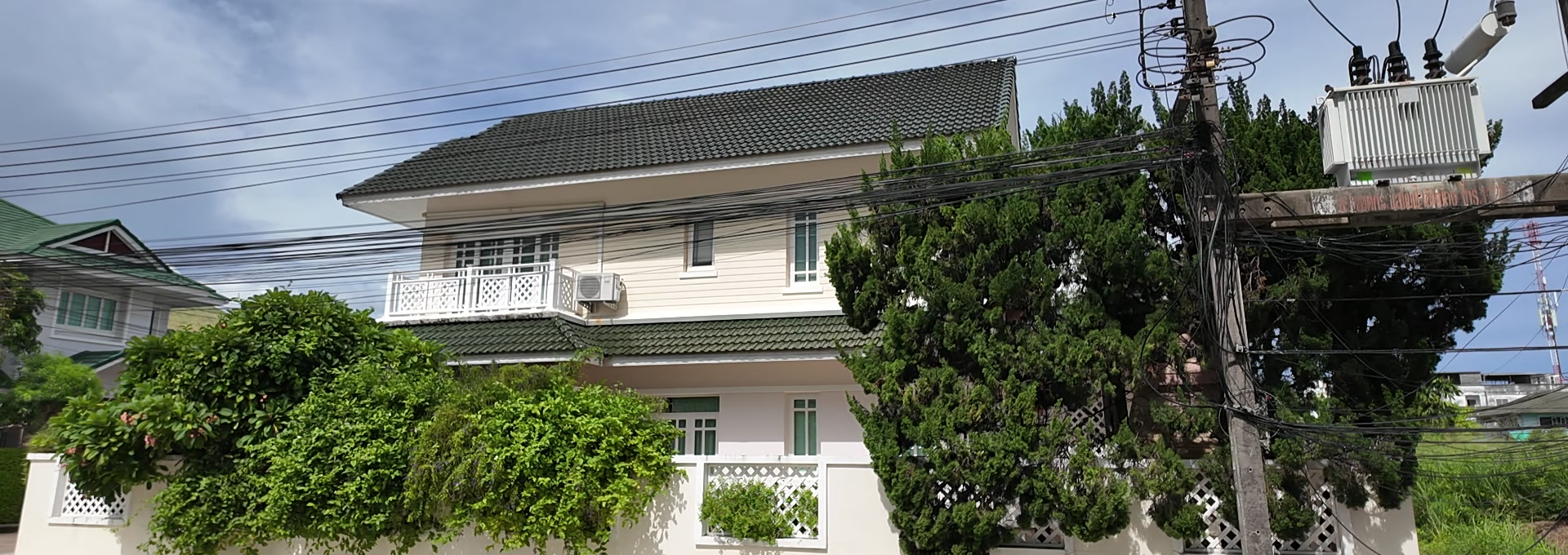

A foreign spouse is a full legal heir in Thailand, often the main one. But inherited land has to be sold within a year, most condos too, and every bank account stays frozen until a Thai court appoints an administrator.
Thai law treats a registered foreign spouse exactly like a Thai one when it comes to inheritance. You keep your own half of everything the two of you acquired during the marriage, then share your spouse’s half with their children and parents, unless a will says otherwise.
The limits only apply to what you can own. Cash, cars and personal belongings are yours to keep, but land and most condos aren’t.
Before a bank releases a baht or a Land Office moves a title, a Thai court usually has to appoint an estate administrator. Without a will, the other heirs have to agree on who that is, and that’s where most family disputes start.
This guide covers both directions, your Thai spouse dying first and you dying first, with the rules, the court process, and what to put in place now.
Contents
- Key Takeaways
- How Inheritance Works for a Married Couple
- Who Inherits Without a Will
- What a Foreign Spouse Can Inherit
- Your Visa After Your Spouse Dies
- When the Foreign Spouse Dies
- Wills
- The First Weeks After a Death
- The Estate Administrator Process
- Inheritance Tax
- How to Plan Ahead
- Common Mistakes and Pitfalls
- FAQ
- A Quick Disclaimer
- Sources Cited
Key Takeaways
- A registered foreign spouse is a statutory heir in Thailand, the same as a Thai spouse.
- Marital property is split 50/50 first. Only the deceased’s half, plus their personal property, is shared out as the estate.
- Without a will, the surviving spouse shares with the children and with the deceased’s parents, who each get the same share as a child.
- A foreigner who inherits land must sell it within one year. Most foreigners who inherit a condo must notify the Land Office within 60 days and sell within one year too.
- Banks freeze accounts on death and release them only to a court-appointed administrator, which usually takes several months.
- A registered usufruct keeps you in the home after your spouse dies, even once the land is sold.
- Inheritance tax only applies above THB100 million per heir, and a surviving spouse pays none.

How Inheritance Works for a Married Couple
When a married person dies in Thailand, the couple’s marital property is divided 50/50 first, and only the deceased’s half plus their personal property becomes the estate that heirs share. The surviving spouse’s half was never part of the inheritance. It’s theirs already.
Thai law sorts a married couple’s assets into two piles:
- Sin somros (สินสมรส), marital property: almost everything either of you acquired during the marriage, including salary, savings and anything bought with them, plus the income earned by personal property. If it’s unclear which pile something belongs to, the law presumes it’s marital.
- Sin suan tua (สินส่วนตัว), personal property: what each of you owned before the wedding, personal belongings and work tools, and anything one of you received during the marriage as a gift or inheritance.
Take a simple example. A Thai wife dies with THB6 million of marital property and a THB1 million plot she inherited from her grandmother. Her foreign husband keeps THB3 million as his half of the marital property.
Her estate is the other THB3 million plus the THB1 million plot, THB4 million in total, and that’s what gets divided between the heirs.
The Land Office Letter
If your Thai spouse bought land during the marriage, you almost certainly signed a letter at the Land Office confirming the money was theirs and that you claim no ownership of it. That letter makes the land your spouse’s personal property, so it skips the 50/50 split entirely and goes straight into the estate.
The letter doesn’t stop you inheriting the land as an heir. It only means you can’t claim half of it as a spouse.
Plenty of husbands who signed it remember nothing about inheritance in the wording, and they’re right. It’s about ownership during the marriage, not about who inherits.
Tip: The split follows the same rules as a divorce by mutual consent, so a registered prenup changes it. If you have one, the estate is worked out from the prenup’s terms. Prenuptial agreements in Thailand covers what they can and can’t do.
Who Inherits Without a Will
Without a will, a Thai estate goes to the surviving spouse plus the nearest class of relatives, and the spouse’s share depends on which relatives are still alive. Thai law ranks relatives in six classes, and as long as anyone in a higher class survives, the lower classes get nothing:
- Children (and grandchildren, if a child has already died)
- Parents
- Full brothers and sisters
- Half brothers and sisters
- Grandparents
- Uncles and aunts
The surviving spouse sits outside this list and inherits alongside whichever class is first in line.
| Who else survives | Surviving spouse’s share |
|---|---|
| Children or grandchildren | The same share as one child (each surviving parent of the deceased also gets one child’s share) |
| No children, but parents or full siblings | One-half of the estate |
| Only half-siblings, grandparents, uncles or aunts | Two-thirds of the estate |
| No relatives in any of the six classes | The whole estate |
When the deceased leaves children and a living parent, the parents don’t wait behind the children. Each parent takes the same share as a child.
Go back to the THB4 million estate. If the Thai wife leaves her husband, two children, and both her parents, that’s five equal shares of THB800,000 each.
Her husband ends up with THB3.8 million in total (his THB3 million half plus one share), and her parents take THB1.6 million between them. With a will, she could have left all THB4 million to him.
Who Counts as a Spouse
Only a legally registered spouse inherits in Thailand. A village or temple ceremony with no registration at the district office gives the partner no inheritance rights at all, however many years you’ve been together.
The reverse catches people too. A spouse who has moved out, even for years, keeps full inheritance rights until a divorce is registered. If you’re separated but never divorced, your estranged spouse is still your heir.

Children and Stepchildren
Your spouse’s children from an earlier relationship inherit from their own parent, not from you. A stepchild only inherits from a step-parent after a legal adoption. Adopted children and children a father has legally recognised inherit exactly like any other child.
That matters in both directions. If you die without a will, your children from a first marriage back home inherit alongside your Thai spouse, and they can insist on their share of a condo she lives in. Children from the Thai spouse’s earlier relationship do the same to you.
Read more: Getting Married in Thailand
What a Foreign Spouse Can Inherit
A foreign spouse can inherit anything in a Thai estate, but land and most condos have to be sold within about a year because foreigners can’t hold them. Cash, cars, shares, household goods and a building you can own outright are yours to keep. What changes is what you’re allowed to register in your own name.
Land
A foreigner who inherits land in Thailand can’t register it in their own name and must sell it within the deadline the Land Department sets, which is between 180 days and one year. If the land isn’t sold in time, the Land Department can sell it for you. (Verified September 2026.)
You’ll read that the law lets a foreign heir keep up to one rai with the Interior Minister’s permission. The wording is still there, but it was written for foreigners who owned land under old treaties, and the last of those ended in 1970. In practice the permission isn’t granted, so plan on selling.
You don’t have to sell on the open market. You can sell to a Thai child, a Thai relative, or anyone else you choose, and the money is yours.
A widower in a June 2026 forum thread describes how this plays out. A Thai court made him sole administrator under his wife’s will, and the judge gave him a year to sort out the land under their house.
Houses
Thai law treats the house and the land under it separately, and the ban on foreigners only covers land. You can own a building in your own name. What you can’t do is keep the ground it stands on.
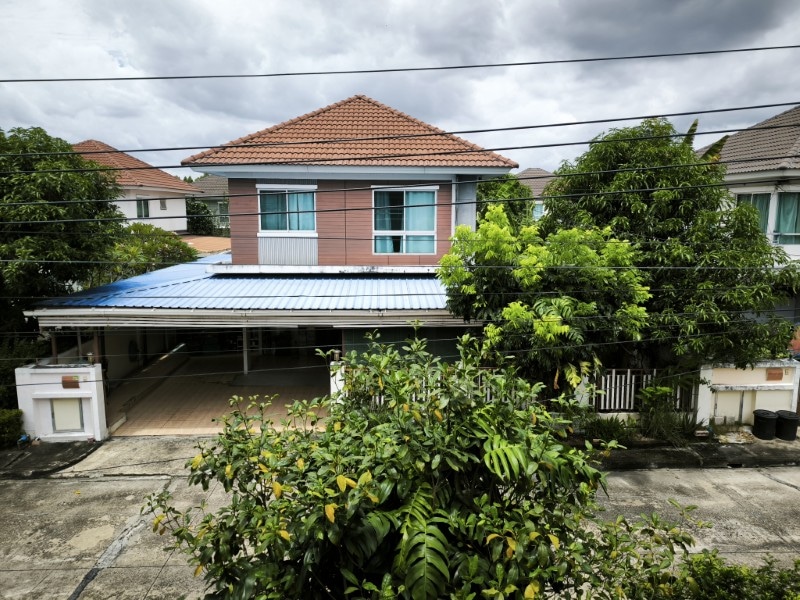
So a house you inherit ends up sitting on land that now belongs to somebody else. Unless the buyer grants you a lease, a usufruct or a superficies (the right to own a building on someone else’s land), the practical answer is to sell the house along with the land, which is what most widowers do.
Condos
A foreigner who inherits a Thai condo and doesn’t qualify to own it under the foreign quota must notify the Land Office in writing within 60 days and sell the unit within one year. (Verified September 2026.)
You may be allowed to keep it if two things line up:
- The building’s foreign quota has room: foreigners can hold at most 49% of a building’s floor space, and a unit your Thai spouse owned sits in the Thai share.
- You qualify as a foreign owner: usually by holding permanent residence, or by bringing the unit’s value into Thailand from abroad in foreign currency, the same way you would when buying.
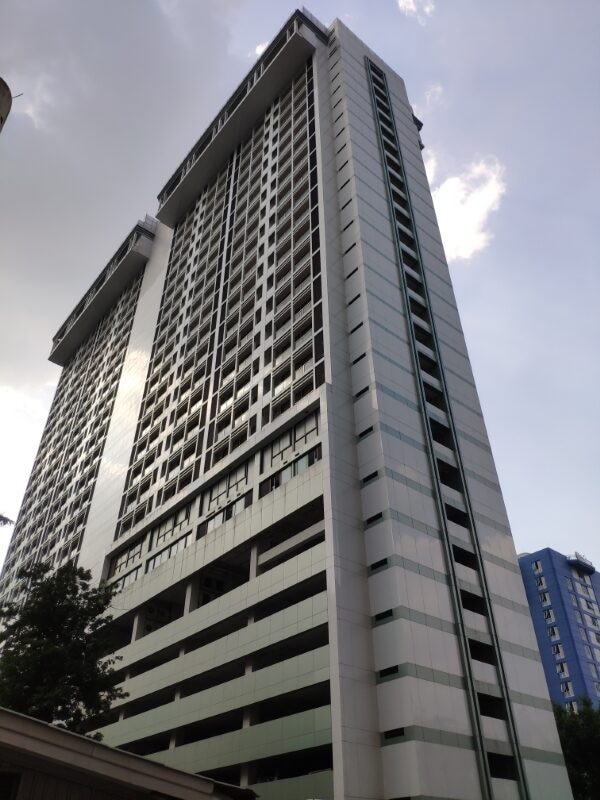
How strictly a Land Office applies the second point varies. In one forum case, a foreign heir was told he’d have to transfer the assessed value in from overseas before the unit could go into his name. Ask the Land Office where the condo is registered before you assume either way.
Read more: Buying a Condo in Thailand
Bank Accounts
Thai banks freeze a deceased customer’s accounts as soon as they’re told of the death, and release the money only to an administrator appointed by a Thai court. A widow holding the passbook doesn’t count, and neither does an executor named in a foreign will.
Joint accounts don’t reliably get around this. Most freeze too, and forum reports on “either-to-sign” accounts are mixed. If you’re relying on one, ask your bank in writing what happens to it when one holder dies.
Usufruct, Superficies and Leases
A registered usufruct ends only when the person holding it dies, so if your Thai spouse dies first, your usufruct over the family home carries on for your lifetime, even after the land is sold to someone else. It’s a right registered on the land title, and it binds whoever owns the land next.
A forum reply claiming “usufruct is cancelled upon death of either of the parties” turns up in almost every thread on this subject.
It’s wrong for the owner’s death. It’s right for yours. A usufruct can’t be passed on, so it ends when you die.
The other rights behave differently:
- Superficies: can be inherited unless the contract says otherwise, so your heirs keep the right to own a building on the land.
- Lease: a personal contract that normally ends when the tenant dies, unless it includes a clause letting heirs take it over.
Tip: Any agreement between a husband and wife made during the marriage can be cancelled by either of them, during the marriage or within a year of it ending. A usufruct your spouse grants you after the wedding protects you well against their death, but much less against a divorce. Registering it at the time of purchase, with a lawyer, is the safer route.
Life Insurance
A spouse named as the beneficiary on a Thai life insurance policy receives the full payout directly from the insurer, outside the estate. It doesn’t wait for the court, which makes it the quickest money a surviving spouse sees.
The one catch is premiums. If the premiums were far larger than the deceased’s income could reasonably support, the other heirs can claim back the excess, capped at the amount of the payout.
Your Visa After Your Spouse Dies
If your Thai spouse dies while you’re on a marriage-based extension, the extension stays valid until its expiry date, but you can’t renew it on marriage grounds. The immigration form for extensions has an exception written in for exactly this case, so the current permit stays valid.
At the next renewal, you switch category without leaving the country. The usual options are:
- A retirement extension: if you’re 50 or over and can show THB800,000 in a Thai bank account, THB65,000 a month in income, or a mix of the two.
- An extension based on a Thai child: if you’re supporting a Thai child of your own.
Bear in mind the timing. If the THB400,000 for your marriage extension sits in an account in your own name, the estate doesn’t touch it. But if the money you plan to use for a retirement extension is in your late spouse’s name, it’ll be locked up in the estate for months.
Read more:
When the Foreign Spouse Dies
When a foreigner dies owning assets in Thailand, Thai law decides who gets any Thai land, buildings or condo, while money and other movable assets follow the law of the country where the foreigner was domiciled at death. For a foreigner who lived here, that’s usually Thai law for everything.
For a Thai spouse inheriting from a foreigner, the ownership limits in this guide don’t apply. A Thai widow can keep the condo, the car, the savings, and anything else, subject only to sharing with the other heirs if there’s no will.
Foreign Wills
A will made abroad is valid in Thailand if it follows the form required by your home country’s law or by the law of the country where you signed it. Thai courts accept them. They’re just slow, because the will needs certified translation, legalisation and sometimes proof of the foreign law behind it.
That’s why lawyers and expats who’ve been through probate recommend two wills:
- A Thai will: covering land, condos, bank accounts and anything else in Thailand.
- A home-country will: covering everything else.
Have both lawyers check the wording so the second will doesn’t revoke the first, which a boilerplate “I revoke all previous wills” clause can do.
Wills
A Thai will can leave your whole estate to your spouse and cut out every other relative, because Thai law has no forced share for children or parents. That single document is the difference between the THB3.8 million and the THB4 million in the example above, and it’s the one piece of advice every forum thread on this subject agrees on.
Thai law recognises four common forms:
- Written and witnessed: typed or written, dated, and signed in front of two witnesses who sign at the same time. This is what most lawyers draft.
- Handwritten: the whole text, date and signature in your own hand, with no witnesses needed.
- Public: declared to an official at the district office in front of two witnesses, who records it for you.
- Secret: a sealed will lodged at the district office, with its contents known only to you.
A handwritten will is legally valid, but banks and Land Offices treat them with suspicion, and expats who’ve dealt with probate advise against relying on one. A witness can’t inherit under the will they sign, and neither can the witness’s husband or wife. So your spouse, the main beneficiary, should never be one of the witnesses.
A lawyer-drafted Thai will isn’t expensive. Forum members report paying anything from a few thousand baht up to about THB16,000.
Read more: How to Write and File Your Last Will and Testament in Thailand
The First Weeks After a Death
The first legal step after a death in Thailand is registering it at the district office, which issues the Thai death certificate that every bank and Land Office will ask for. Nothing else can start until you have it.
After that, the order usually runs like this:
- Get the death certificate: from the district office, with the hospital’s medical certificate. Order several certified copies.
- Contact the embassy: if the person who died was a foreigner. Some embassies ask for extra paperwork before releasing the body.
- Gather the documents: the will, your marriage certificate, the house registration (tabien baan), land titles, condo title deeds, bank books and ID of every heir.
- Tell the life insurer: a named beneficiary can claim with the death certificate and the policy, without waiting for the court.
- Hire a lawyer to petition the court: for an estate administrator, if there’s a bank account, a vehicle or any dispute.
Using a late spouse’s ATM card after the death is common enough that it comes up in most forum threads on the subject. Legally, once the account holder has died, the money belongs to the estate, and taking it without a court order is taking from the other heirs. If there are children or parents who also inherit, it’s exactly the kind of move that turns a quiet estate into a contested one.

Tip: The legitimate version of the ATM-card plan is a cash buffer. Several expats describe keeping a fixed deposit, often around THB1 million, in their Thai partner’s own name, so the survivor has money for the funeral and a few months of living costs while the court process runs.
Read more: Funerals in Thailand
The Estate Administrator Process
An estate administrator is the person a Thai court appoints to collect the deceased’s assets, pay any debts, and hand the rest to the heirs, and it’s the only person a Thai bank will release money to. Any heir can apply, and a court appointment is standard when an heir is abroad or a minor, or when the heirs can’t agree.
A foreign spouse can be the administrator, and so can the main beneficiary. The only people ruled out are minors, people of unsound mind and bankrupts.
Where to File and What You Need
A petition to appoint an estate administrator in Thailand is filed at the civil or provincial court covering the deceased’s registered home address at the time of death, and the court fee is THB200. If the deceased lived outside Thailand, you file at the court where the estate’s assets are. (Verified September 2026.)
The court’s own checklist asks for:
- The deceased’s papers: ID card, house registration stamped as deceased, and the death certificate.
- Proof of family: your marriage certificate and the deceased’s family registration record from the district office, which lists marriages, divorces, recognised children and adoptions.
- The deceased’s parents: their death certificates, or a civil registration extract if they died long ago.
- A list of every heir: with signed consent letters from the other heirs agreeing to you as administrator, plus copies of their ID cards and house registrations.
- The assets: bank book pages showing the name and latest balance, A4 copies of land titles, car registration books, and the will if there is one.
- Name changes: the paperwork for anyone involved who has changed their first name or surname.
As a foreign spouse, expect to add your passport and a translated, legalised copy of any document issued abroad, including the marriage certificate if you married outside Thailand.
Tip: An uncontested petition doesn’t legally need a lawyer. The public prosecutor will prepare and file it free of charge, apart from the THB200 court fee, through the provincial legal aid office (สคชจ.) in the area where the deceased lived.
For a foreigner’s estate that falls under Bangkok’s Civil Court, a dedicated prosecutor’s office for international cases handles the petition. Either way, every heir has to sign the consent letter in front of a prosecutor or official, and the paperwork has to be complete before they’ll file.
Timeline
An uncontested petition for an estate administrator in Thailand takes around two months on average from filing to the court order, and the order becomes final a month after it’s made.
A Chiang Mai lawyer quoted one forum member five to six months for the whole probate. Another administrator describes being sworn in at a single hearing and receiving the court order a few weeks later.
Banks and Land Offices want two documents from the court: the order appointing you, and a certificate of finality (หนังสือรับรองคดีถึงที่สุด). You can request the certificate once a month has passed since the order, and each document costs THB50. (Verified September 2026.)
Once appointed, the administrator is expected to finish settling the estate within a year, unless the will, the heirs or the court set a different deadline.
Cost
Lawyer fees for a simple, uncontested administrator application in Thailand run roughly THB30,000 to THB60,000, according to expats who’ve paid them. The court’s own fee is THB200. One forum member used a lawyer from the next province for THB30,000 including expenses, while a widow nearby was quoted THB60,000 to release an account holding THB110,000.
Being the administrator yourself and paying a lawyer only for the court filing costs far less than naming a lawyer as executor. Forum members report lawyers asking 5% of the estate for the executor role, and some say they’ve been charged much more.
Transferring Land and Condos
To move a land title or condo into an heir’s or administrator’s name, the Land Office posts a public notice for 30 days, and registers the transfer if no other heir objects. An objection stops the transfer until a court rules.
For a foreign heir, this is also when the sale clock matters. You can sell a condo or land on behalf of the estate within the deadline, so a sale doesn’t have to wait until the title is in your name.
The One-Year Claim Deadline
An heir who wants to go to court over a Thai inheritance must file within one year of the death, or of when they learned or should have learned of it, and no claim can be filed more than 10 years after the death. A creditor of the deceased faces the same one-year limit from when they learn of the death.
Most estates never need a lawsuit. The deadline matters when someone else, often a relative, has taken over a house or land and won’t hand it back. Wait too long and your claim can be lost.
Read more: Thailand Lawyers
Inheritance Tax
Thailand’s inheritance tax applies only to the part of an inheritance above THB100 million that one heir receives from one person, and a surviving spouse pays none at all. (Verified September 2026.)
For everyone else, the rates are:
| Heir | Tax on the amount above THB100 million |
|---|---|
| Surviving spouse | Exempt (0%) |
| Children, grandchildren, parents | 5% of the amount above THB100 million |
| Anyone else | 10% of the amount above THB100 million |
A foreigner who isn’t domiciled in Thailand is only taxed on assets located in Thailand. An heir who owes tax has 150 days from receiving the inheritance to file and pay. Very few expat estates come anywhere near the threshold.
How to Plan Ahead
The most useful thing a mixed couple in Thailand can do is for both spouses to make a Thai will, because it’s the only way to stop the deceased’s parents, siblings or children from a first marriage taking a share. Everything else on this list builds on that.
- Two Thai wills: one each, not only the foreigner’s. Plans built around the foreigner dying first leave the Thai spouse’s estate to default rules.
- A registered usufruct or superficies: over the home your spouse owns, so you can stay after the land is sold. Register it when you buy.
- A cash buffer in the survivor’s own name: for the funeral and the months before the court order.
- A named beneficiary on every life policy: the only money that arrives without the court.
- The paperwork in one folder: marriage certificate (translated and legalised if you married abroad), land and condo titles, bank books, both wills, and your lawyer’s contact.
- A plan for the land: agree now who you’d sell to, whether a Thai child, a relative, or a buyer who’d grant you a lifetime usufruct.
A power of attorney doesn’t help here. It stops working the moment the person who signed it dies, so it can’t be used to deal with an estate.
Read more: Power of Attorney in Thailand
Common Mistakes and Pitfalls
The most common inheritance mistake among mixed couples in Thailand is having no will for the Thai spouse. It leaves the foreign husband sharing the estate with her parents and children, and selling the land to settle it.
Dying Without a Will
Without a will, a Thai estate passes to the statutory heirs by law, and one of them has to petition the court to be appointed administrator before any land can be transferred or any bank money withdrawn. The paperwork alone runs to death certificates, family records, asset documents and signed consent from every other heir.
Consent is where it goes wrong. One relative who won’t sign, or a sibling who can’t be found, turns a two-month formality into a contested case. Disputes between the surviving spouse and the deceased’s parents, siblings or children from an earlier relationship are common, and they’re far more likely when nothing is in writing.
A Thai will that names the heir and the administrator doesn’t skip the court. It does settle the two questions most families fight over.


Selling Under Deadline
A one-year deadline and a slow provincial property market make a poor combination. Forum advice to widowers ranges from listing with several agents at once to “Sell it for 50% of what it’s worth. You will get a buyer and be free again.” The better-planned version is agreeing a sale in advance, or selling at a discount to a buyer who grants you a lifetime usufruct, so a lower price buys you the right to stay.
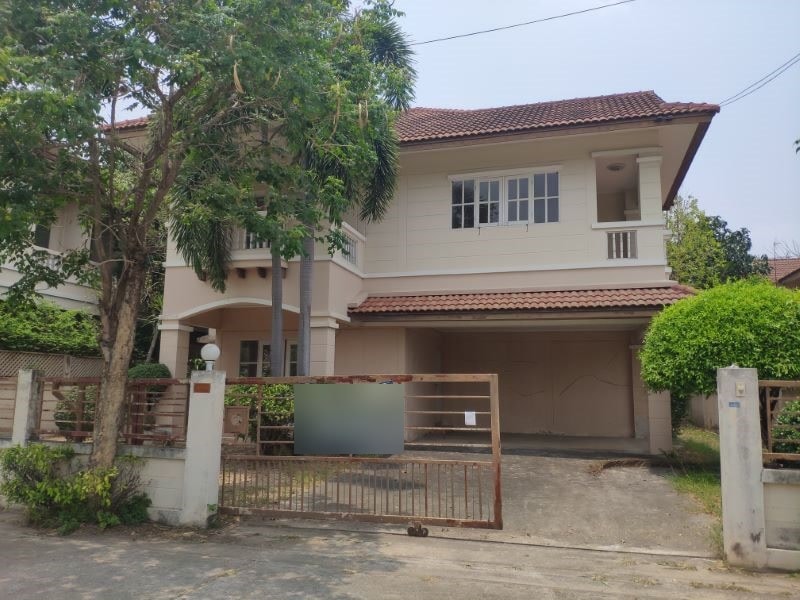
Forum members also report Land Offices allowing extra time beyond the year at their discretion. Don’t build a plan on it.
The Trusted Thai Buyer
Selling the land cheaply to a Thai friend who promises to let you stay is the most common workaround, and the forums’ reply is usually a short warning: “Careful who you trust.” A promise isn’t a right. If the arrangement isn’t a registered usufruct or lease on the title, the new owner can sell or change their mind, and if they die the land passes to their heirs. Either way, you have nothing.
Forgetting the Other Heirs
Thai families claim a share of a house the foreign husband paid for, and foreign children from a first marriage claim a share of a condo the Thai widow lives in. Expats in the forums describe Thai widows moving out of “their” condo because they couldn’t afford to buy out the overseas children. Both cases come from dying without a will.
Relying on a Joint Account
Putting both names on an account feels like a shortcut around probate, but most Thai joint accounts freeze on a death like any other. Unless your bank has confirmed in writing that the survivor keeps access, treat the money as locked until the court acts.
FAQ
Can I Keep Inherited Land If It’s Under One Rai?
No, not in practice. The law still mentions ministerial permission for a foreign heir to hold up to one rai, but it was written for treaty arrangements that ended in 1970 and isn’t granted today. Plan to sell within the deadline.
Does My Usufruct End When My Wife Dies?
No. A usufruct ends when the person holding it dies, not the landowner. If it’s registered on the title, it carries on for your lifetime and binds anyone who buys the land.
Can I Get More Than a Year to Sell?
Possibly, but don’t count on it. The legal deadline is set by the Land Department at between 180 days and one year, and forum members report Land Offices occasionally granting extra time. If the land isn’t sold, the Land Department can sell it for you.
Do My Thai Stepchildren Inherit From Me?
Only if you’ve legally adopted them or name them in your will. Stepchildren inherit from their own parent, not from a step-parent.
We Married Abroad. Does Thailand Recognise It?
Yes, a marriage legally registered abroad counts, but you’ll need the certificate translated into Thai and legalised before a Thai court or Land Office will accept it. Recording the marriage at your district office in Thailand while you’re both alive saves time later. The marriage registration process covers the documents.
Can My Wife’s Parents Take the House?
Without a will, her parents inherit a share of her estate, and the house can be part of it. With a Thai will leaving everything to you, they get nothing, since Thai law gives parents no forced share.
What Happens If We Divorce Instead?
A registered divorce ends your inheritance rights completely, and the marital property is split between you then. Divorce in Thailand as a foreigner covers how that works.
A Quick Disclaimer
This is general information about how Thai inheritance law treats foreign spouses, not legal advice about your situation. Land Offices and courts apply some of these rules differently from province to province, so have a Thai-licensed lawyer look at your circumstances before you rely on them.
Sources Cited
- Civil and Commercial Code, Sections 1599-1645: estate liquidation with a surviving spouse (Section 1625), stepchildren and adopted children (1627), separated spouses (1628), the six heir classes (1629), parents sharing with children (1630), and the spouse’s share (1635).
- Civil and Commercial Code, Sections 1635-1638: the spouse’s share by heir class and life insurance paid to a spouse (1637).
- Civil and Commercial Code, Sections 1646-1710: forms of will (1656-1660) and the rule that witnesses can’t inherit (1653).
- Civil and Commercial Code, Sections 1711-1755: estate administrators (1711-1733) and the one-year and ten-year claim limits (1754).
- Civil and Commercial Code, Sections 1465-1493: agreements between spouses (1469), personal property (1471) and marital property (1474).
- Civil and Commercial Code, Sections 1417-1428 and Sections 1410-1416: usufruct and superficies, including superficies passing by inheritance (1411).
- Land Code, Sections 86-96: foreign heirs and land (93) and the 180-day to one-year disposal deadline (94).
- Land Code, Section 81: the Land Office’s 30-day public notice for transfers to an heir.
- Condominium Act, Section 19: the 49% foreign quota and the 60-day notice and one-year sale rule for foreign heirs (19/7).
- Act on Conflict of Laws, Sections 37-42: which country’s law governs immovable and movable assets, and the validity of foreign wills.
- Court of Justice, Phra Khanong Civil Court: Estate Administration FAQ: where to file, the THB200 court fee, required documents, heir consent, the Attorney General filing service, and the certificate of finality after one month (THB50).
- Office of the Attorney General, Estate Administrator Petitions for Foreigners: free filing by prosecutors (court fee excepted) through provincial legal aid offices, the office for foreigners’ estates under the Civil Court, and the document list.
- Revenue Department, Inheritance Tax Act B.E. 2558: THB100 million threshold, 5% and 10% rates, spouse exemption, and the 150-day filing deadline.
- Thailand Law Online, Inheritance of Real Estate by Foreigners: how the Land Office letter, the treaty history of Section 93, and inherited leases work in practice.
- Thailand Law Online, Extension Based on Retirement and Extension Based on a Thai Spouse: the THB800,000 or THB65,000-a-month retirement requirement and the THB400,000 marriage requirement.
- Thailandblog, Immigration Question 174/25: a marriage-based extension stays valid until expiry after the Thai spouse’s death.