
Live in Thailand long enough and you’ll get stopped by the police. For most expats it’s a scooter checkpoint on the way home: a quick look at your licence, a nod, and you’re off again.
It’s the rarer cases that catch people out, like a bag search in the street, a urine test after a bar raid or a night at the station after a road accident.
That’s what this guide is for. It shows you what happens at each stage, from the roadside to the police station, court and bail, and what you can ask for along the way. You’ll also find what your embassy can and can’t do, whether to carry your original passport, and which numbers to save in your phone today.
Please note: Thailand Starter Kit isn’t a law firm, and this guide is general information, not legal advice. If you’re stopped, searched or arrested, get a Thai lawyer to advise you on your own case.
Disclaimer: Some links in this article go to our partners, and we may earn a commission if you use them. It costs you nothing extra, and we only recommend services we'd use ourselves. Read more in our Advertising Disclosure.
Contents
Key Takeaways
- Stay calm and polite, and hand over what you’re asked for. Don’t argue at the roadside.
- Carry a copy of your passport and keep the original somewhere safe.
- You don’t have to answer questions. If you’re arrested, ask for a lawyer, an interpreter and your embassy.
- Never sign anything in Thai that you can’t read.
- Never offer an officer money. It’s a crime.
- Your embassy can visit you and find you a lawyer, but it can’t get you out.
- Save 191, 1155 and your embassy’s number now, and keep one number written down on paper.


If You’re Stopped
Keep it simple and stay polite. If you think the officer has got it wrong, the roadside isn’t the place to win that argument. Get their details and deal with it later, with a lawyer if it matters.
What we’d do:
- Pull over somewhere safe and keep your hands where the officer can see them.
- Hand over your licence if you’re driving. The UK government tells its citizens to carry an international driving permit as well as their home licence, so check what you need before you drive.
- If you’re asked for your passport and don’t have it, offer your copy.
- If you’re told you’ve broken a rule, ask which one. Then write down the officer’s name and police station.
- If you’re told you’re under arrest, don’t run or struggle. Say clearly that you want a lawyer and want your embassy told.
Tip: If you’re stopped while driving at night, turn on the light inside your car so the officer can see everything clearly, and greet them with a smile. Saran, our project manager, does this at every police stop and has been waved on each time without any further checks.
Don’t Offer Money
You might hear people talk about sorting things out on the spot. Don’t. Offering an official money is a crime for the person offering it, and it can mean up to five years in prison.
If an officer asks you for money in a way that feels wrong, don’t deal with it there. Talk to a lawyer or your embassy afterwards about how to complain.
Your Passport: Original or Copy?
Carry a copy, and keep the original somewhere safe. The UK government’s travel advice says police may ask to see your passport. If you don’t have it with you, they can ask you to bring it to a police station within 24 hours. A copy of the photo page is usually enough.
Keep these on you, and photos of them on your phone:
- Your passport photo page.
- The page with your latest entry or extension stamp.
- Your driving licence and international driving permit, if you drive.
Searches and Drug Tests
Police can ask who you are, but searching you needs a reason. On the street, they need a good reason to suspect you’re carrying something illegal or linked to a crime.
So ask what the reason is. If you don’t think there is one, calmly say you don’t agree to the search, and leave it at that. Never push an officer’s hands away. If you want to challenge it, do it later with a lawyer.
Your home is different. Police usually need a court warrant to search it, though there are exceptions for emergencies.
Vapes are illegal in Thailand. The UK government warns there’s no exception for tourists or personal use. Having one can mean a fine, typically THB5,000 to THB30,000, plus detention and court, and you may have to stay in Thailand until the case is over. We’d leave it at home.
Officers with drug-control powers can also test you if they have reason to believe you’ve used drugs, on the street or in your car as well as at a station. Thailand’s drug laws are strict, and even small amounts can mean prison. If you’re asked for a urine or blood sample after an arrest, ask for a lawyer before you agree or refuse. Refusing without a good reason can count against you.
If You’re Arrested
Police generally need a court warrant to arrest you. The main exception is when they catch you in the act, or it’s too urgent to wait for a warrant.
When they arrest you, the officer has to tell you the charge and show you any warrant. They also have to tell you that you can stay silent and that you can see a lawyer. You might not take all of that in at the time, and that’s fine. Ask for it to be explained again at the station.
At the Police Station
After an arrest, you’ll usually be held in a police cell. The UK embassy’s guide for people arrested in Thailand says your phone will probably go in a locker. You’ll get food and water but no bedding, and cells can be crowded.
That locker is why we’d keep one important number written on paper in your wallet, or better still, learn it by heart.

At the station, you have the right to:
1. Stay Silent
You don’t have to answer questions. We’d give your name and then ask for a lawyer and an interpreter.
People talk because they want to clear things up fast. But what you say can be used in court, so wait for a lawyer.
2. A Lawyer
You have the right to see a lawyer in private, and to have one with you when police question you.
Don’t count on a free one. The UK embassy says the court only appoints a lawyer for charges that carry more than 10 years in prison, so plan on finding your own. Your embassy can give you a list of English-speaking lawyers. Our guides to law firms in Bangkok and finding a budget lawyer can help too. Ask about the cost first, because some lawyers want cash up front.
3. Have Someone Told Where You Are
You can ask police to tell a relative or a friend that you’ve been arrested and where you’re being held. They have to do it straight away, and they can’t charge you for it. Make this one of your first requests, because you may not get another chance to call.
4. An Interpreter
Police questioning happens in Thai. If you can’t follow it, police have to get you an interpreter, and the UK embassy says it should be free. If nobody comes, ask for your embassy to be told.
Tip: Never sign a statement in Thai that you can’t read. Ask for it to be translated first, even if it slows things down and everyone wants to finish.
If you’re treated badly, you, your lawyer or a friend can complain. Tell your embassy too.
Court and How Long You Can Be Held
For a minor offence, police can only hold you long enough to take your statement and check who you are and where you live.
If they need to hold you longer, police have to take you to court within 48 hours, and the UK embassy says it’s usually about three days after arrest in practice. A judge then decides whether you can be held for longer. You can have a lawyer argue against it, and if you don’t have one, ask the court for one.
If the judge agrees, you can be held for up to 12 days at a time. The total can reach 48 days, or 84 days for the most serious charges. That’s a long time to sit in a cell, which is why getting a lawyer early matters so much.
If you think someone is being held unlawfully, a relative or a friend can ask the local court to look at it. The court has to act quickly, and it orders their release if the detention isn’t lawful.
Getting Bail
Bail means being released while your case goes on. Don’t assume you’ll get it. The UK embassy says it’s rarely granted. For minor offences, though, it’s usually paid at the police station soon after arrest.
Your lawyer will apply for you and tell you whether it’s worth trying. Expect the court to keep your passport. You can usually still travel inside Thailand, but stick to every condition, like where you live and when you report to the police. If you miss a court date or try to leave the country, you’ll likely be arrested again and lose your bail money.
If you can’t afford bail, ask Thailand’s Justice Fund. It can sometimes cover bail and lawyer costs, though its pages don’t say whether foreigners qualify, so you’ll have to ask.
What Your Embassy Can and Can’t Do
Your embassy can’t get you released, but it can tell your family where you are and help you find a lawyer.
Police should ask if you want your embassy told. If they don’t, ask them. The UK embassy says it usually hears within 24 hours, but it can take several days, so get a friend to call too if you can.
The UK embassy’s list is the most detailed one we found. It says your embassy can:
- Give you a list of English-speaking lawyers and interpreters.
- Explain how the Thai legal system works.
- Visit you or keep in touch.
- Tell your family, if you want them told.
- Pass on medical needs to the police or prison doctor.
It can’t:
- Get you out of jail.
- Get you special treatment.
- Give legal advice or pay your legal costs.
- Stop you being deported after your release.
Other embassies have their own rules, but the US Embassy also says it can’t interfere with Thai courts. Save your embassy’s number now, while it’s a two-minute job.
| Embassy | Phone |
|---|---|
| US Embassy Bangkok | +66 2 205 4000 (emergencies, including outside office hours) |
| British Embassy Bangkok | +66 2 305 8333 (24 hours) |
| Australian Embassy Bangkok | +66 2 344 6300 |
Numbers to Save Now
Put these in your phone, and write them down somewhere else in case your phone is taken:
- 191 for police emergencies.
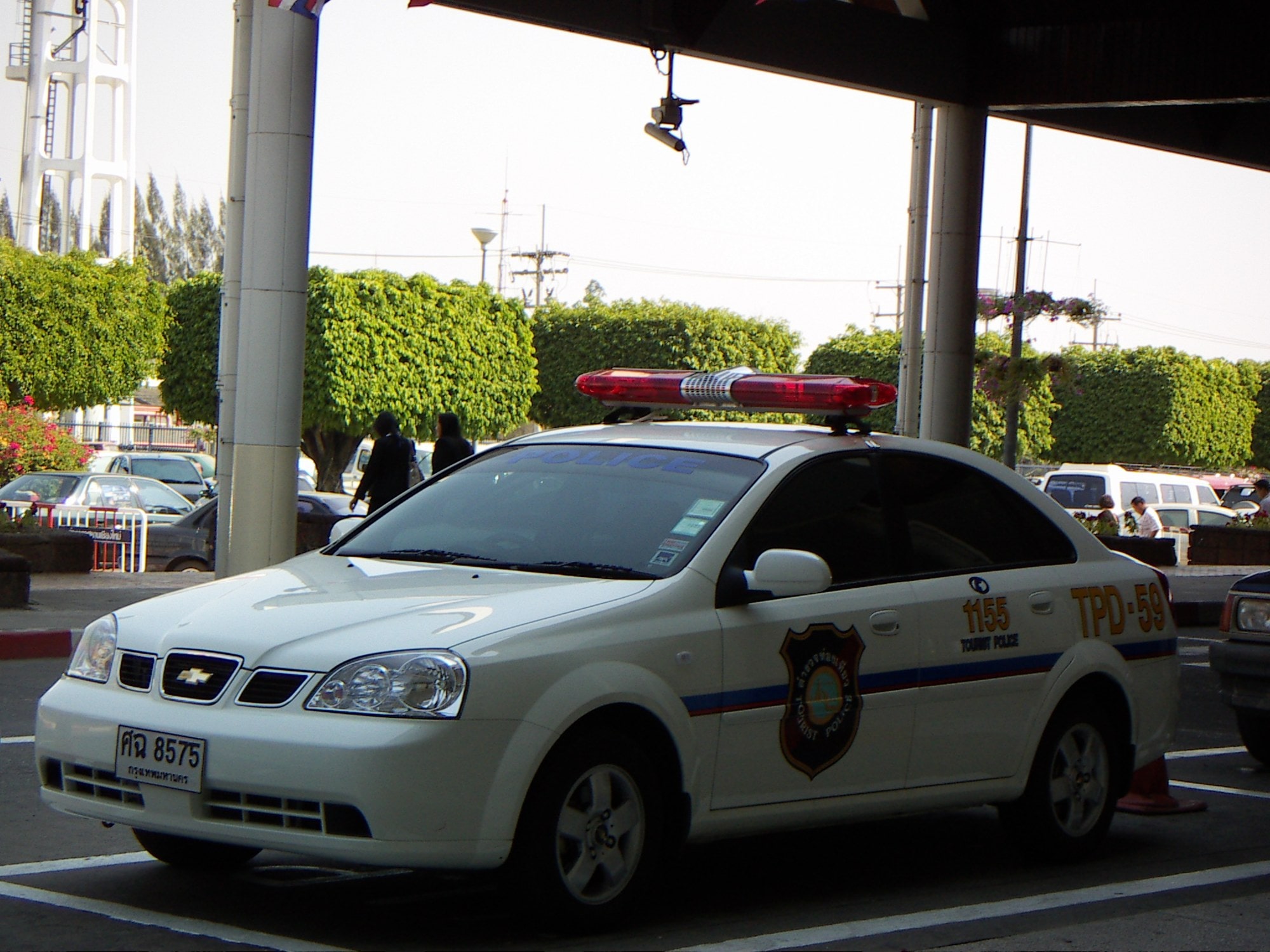
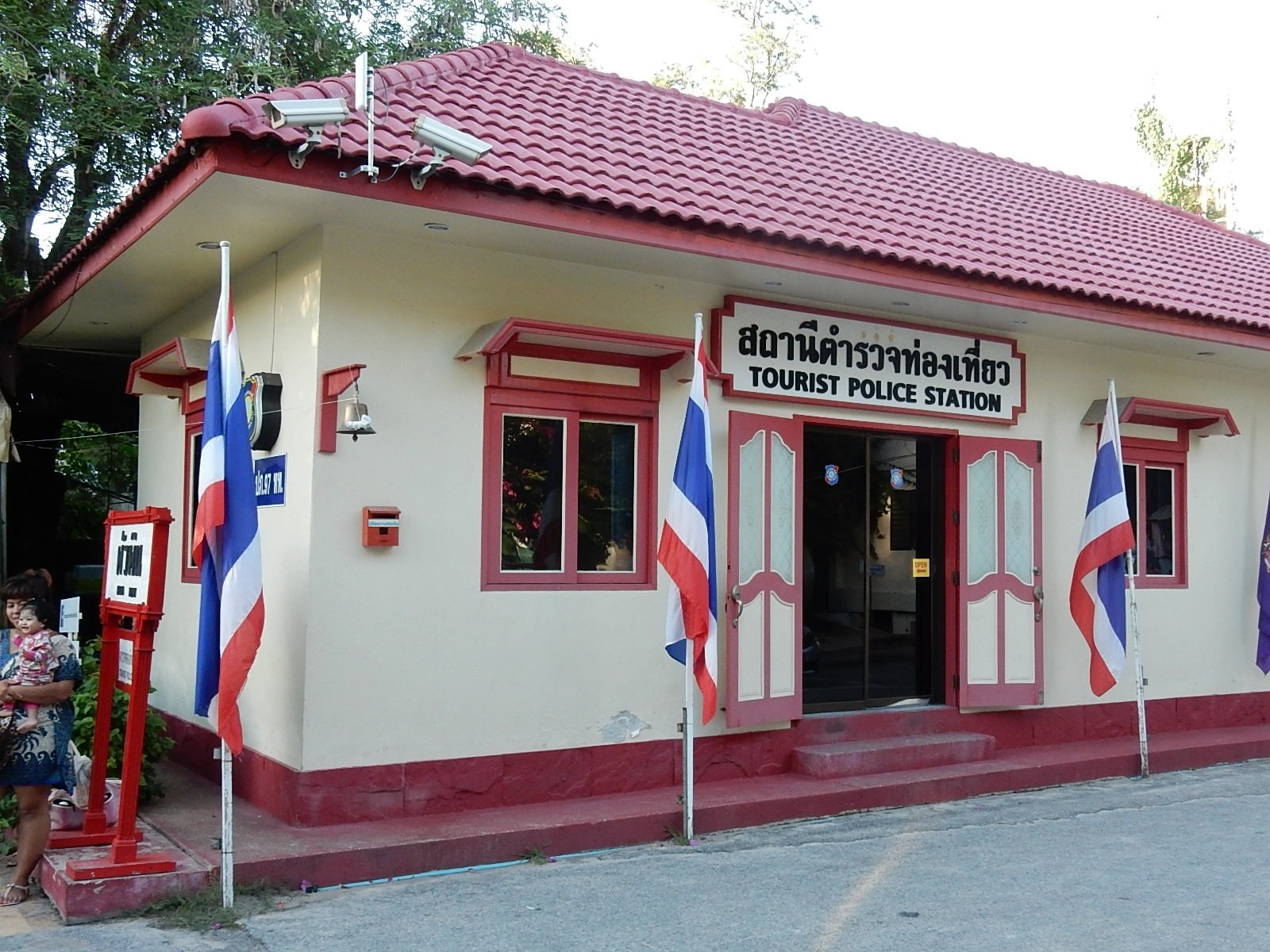
- 1155 for the Tourist Police, who speak English.
- 1167 for legal advice from the Lawyers Council of Thailand.
- Your embassy’s emergency number.
- A lawyer, if you can find one before you need one.
Our emergencies guide covers which number to call for what, and our guide to the Thai legal system explains how the police, prosecutors and courts fit together.
Frequently Asked Questions
Do I have to answer police questions?
No. You can choose not to give a statement, and police have to tell you that before they question you. Anything you say can be used in court, so we’d wait for a lawyer.
Will I get a free lawyer?
Maybe, but don’t count on it. The UK embassy says the court only appoints one for charges that carry more than 10 years in prison. Plan on finding your own.
Do I have to carry my passport?
Carry a copy. Police can ask you to bring the original to a station within 24 hours if they need to see it.
Can I leave Thailand while on bail?
Usually not. The court normally keeps your passport, and trying to leave can get you arrested again. Talk to your lawyer before you plan any trip.
Can my embassy get me out?
No. It can visit you, tell your family and help you find a lawyer, but it can’t interfere with Thai courts.
Sources Cited
- Criminal Procedure Code, section 7/1: rights of an arrested person (telling a relative, lawyer, visits). English translation and Thai text reproduced by ThaiLawOnline.
- Criminal Procedure Code, section 13: interpreter.
- Criminal Procedure Code, section 78: arrest without a warrant.
- Criminal Procedure Code, section 83: what the officer must tell you at arrest.
- Criminal Procedure Code, section 84: duties at the station, telling a relative at no cost.
- Criminal Procedure Code, section 87: 48 hours to court, detention limits of 12 days per order and 48 or 84 days in total.
- Criminal Procedure Code, section 90: asking the court to end unlawful detention.
- Criminal Procedure Code, section 92: searching a home.
- Criminal Procedure Code, section 93: searching a person in public.
- Criminal Procedure Code, section 131/1: samples from a suspect, and refusal.
- Criminal Procedure Code, section 134/1: lawyer before questioning.
- Criminal Procedure Code, section 134/4: warning before taking a statement.
- Penal Code, section 144: offering a bribe to an official.
- Constitution of the Kingdom of Thailand 2017, sections 28 and 29: arrest, search, the right not to incriminate yourself, bail.
- Narcotic Case Procedure Act (No. 2) B.E. 2564, section 11/2: drug testing on reasonable belief.
- UK government, information pack for British nationals arrested or detained in Thailand: police custody, interpreters, court, bail and passports, what the embassy can and can’t do.
- UK government, Thailand travel advice, safety and security: passport checks, driving documents, vapes, drug laws.
- US Embassy Bangkok, American Citizens Services: arrest of a US citizen, emergency number.
- Australian Embassy Thailand: phone number.
- Tourist Police Bureau: 1155.
- Lawyers Council of Thailand: 1167 legal advice line.
- Justice Fund Office, Ministry of Justice: help with legal costs and bail.
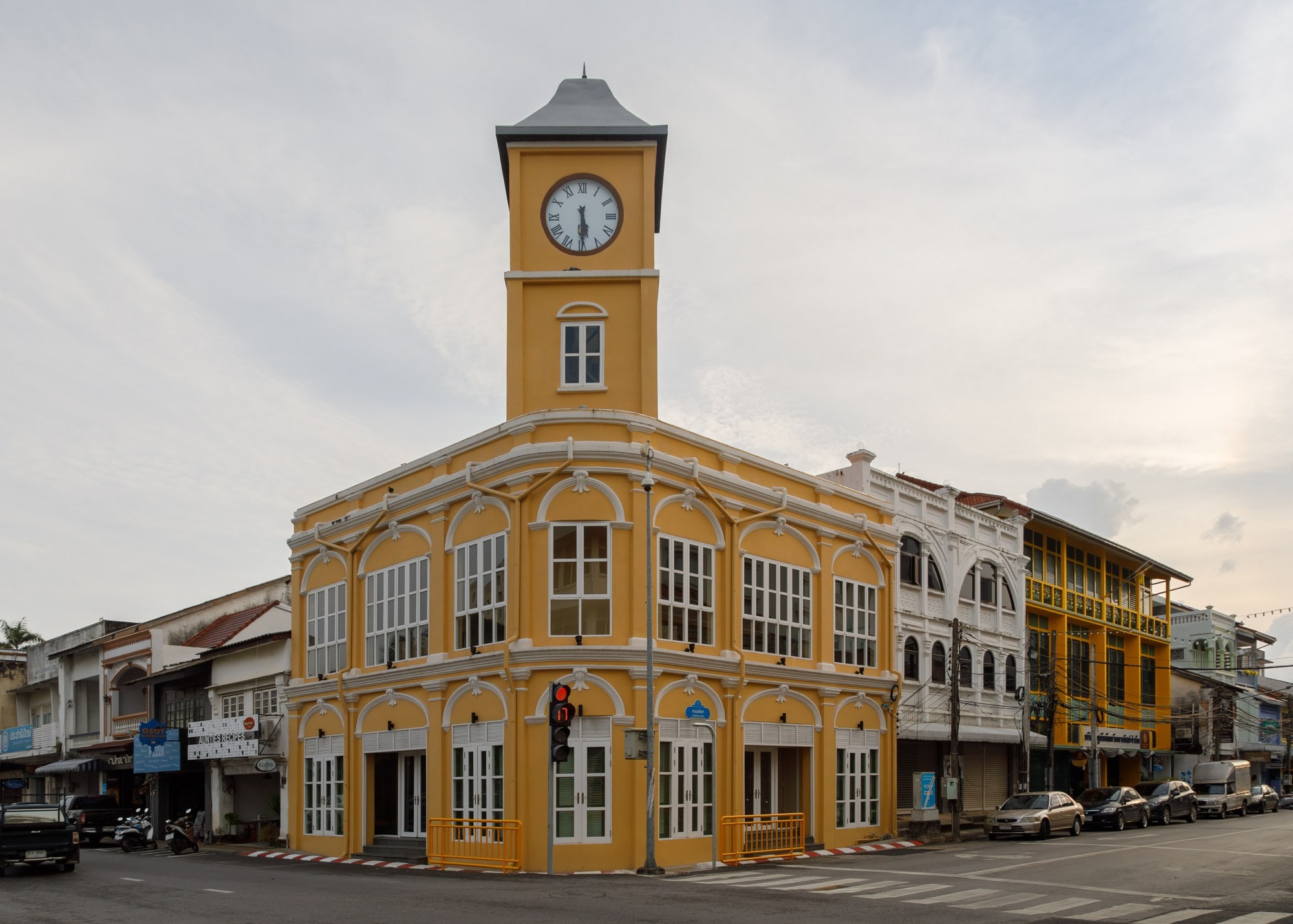
Featured photo: Phuket Town police station by Uwe Aranas (CEphoto), CC BY-SA 4.0.