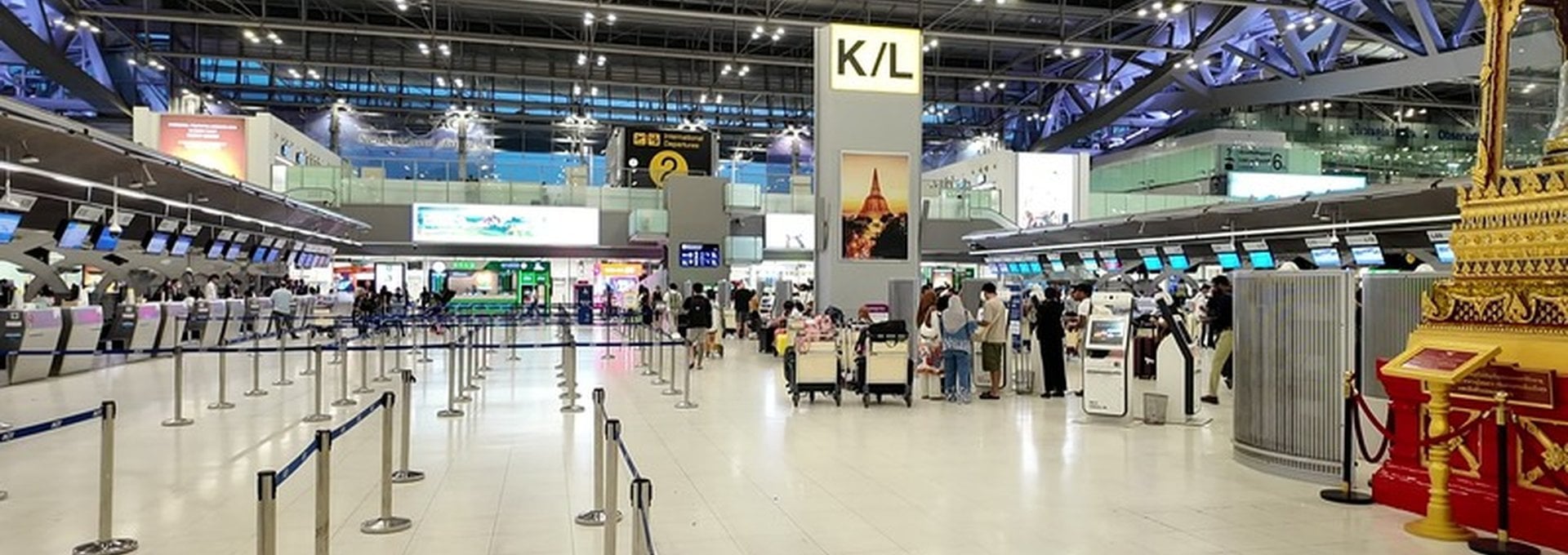

Leaving Thailand for good takes more planning than most people expect, from your job and your condo to your bank account and your last tax return. This checklist shows you what to sort out before you go, and when.
It’s set out as a timeline, from three months before your flight to the months after you’ve left. We also cover your final Thai tax return, social security and what other expats ran into when they left.
Disclaimer: Some links in this article go to our partners, and we may earn a commission if you use them. It costs you nothing extra, and we only recommend services we'd use ourselves. Read more in our Advertising Disclosure.
Contents
Key Takeaways
- You don’t cancel your visa. It ends by itself when you leave without a re-entry permit. If your stay is tied to your job, though, it ends on your last working day.
- Your employer tells the Department of Employment you’ve left. Your job is to give a clear last day.
- You still file a Thai tax return for the year you leave, in the following January to March.
- Most people don’t need a tax clearance certificate. You only need one in a few cases, such as owing tax.
- Thai social security doesn’t pay out when you leave. If you qualify, you claim it at 55.
- Banks only have to ask for paperwork on transfers of US$200,000 or more, so moving your savings out is usually simple.
- Keep your Thai SIM and one bank account until the last bills, refunds and payments have come through.


The Timeline at a Glance
Start three months before your flight, and expect a few things, like your tax return and your deposit, to follow you for months after you’ve gone.
| When | What to do |
|---|---|
| Three months before | Pick your flight date; give notice at work and on your lease; list the condo if you’re selling; start selling the car or motorbike; get shipping quotes; check the pet rules for where you’re going |
| One month before | Book the movers; book the pet’s vet check; move most of your money out; stop your bills and subscriptions |
| Last week | Hand back the room; finish the car or motorbike transfer; close the bank accounts you don’t need; collect your papers from HR |
| After you’ve left | File your last tax return; chase your deposit; cancel your SIM; claim social security at 55 if you qualify |
Three Months Before You Leave
Three months out, leaving still feels far away, and it’s tempting to put everything off. We wouldn’t. This is when the slow jobs need to start, like a lease notice period, a condo sale and shipping. If you’re taking a pet, it’s also when the destination country’s rules start to set your dates.
Your Visa and Your Flight Date
You don’t need to tell Immigration you’re leaving. When you leave without a re-entry permit, your permission to stay simply ends, so there’s no form to fill in. You only need a re-entry permit if you plan to come back on the same visa. A work visa is the exception, which we cover in the next section.
Pick a flight on or before the last day of your current stay. If you go over, the overstay fine is THB500 a day, up to THB20,000, and you pay it at the airport before they let you through. (Verified October 2026.) That’s an annoying way to spend your last hour in the country, so we’d leave a few days of margin in case a flight moves.
Your Job and Work Permit
We’d tell your employer first, before the landlord or anyone else, because your last day at work sets the date for almost everything else.
Check your contract for its notice period, but Thai law sets a minimum. You give notice in writing on or before a pay day, and it takes effect on the next pay day. If you’re paid monthly, that’s at least a month, and closer to two if you just miss a pay day. If your contract asks for longer, give that. Our employee rights guide explains how notice works.
You don’t cancel your work permit yourself. After you leave, your employer has 15 days to tell the Department of Employment, and they can be fined up to THB20,000 if they don’t. Just give them a clear last day in writing, and ask HR whether they want your work permit book back.
If your visa is tied to your job, your permission to stay ends on your last day of work, not on your flight date. Immigration asks you to report that day to the office that gave you your stay, with a letter from your employer. So we’d either fly out on your last working day or plan that visit, which our employee rights guide walks through.
Your Lease
Dig out your lease now and look for the notice period and what happens if you leave early. We’d tell your landlord at least a month ahead, in writing, or earlier if your lease asks for it. If your landlord rents out three or more units, consumer protection rules let you end a fixed-term lease early with 30 days’ written notice, as long as you’ve lived there for at least half the term and you’re up to date on rent. With a private owner, it comes down to your lease.
If you give notice late, the landlord may ask for rent to cover the gap, and that’s money you’d much rather keep.
The deposit gets settled at the very end, but you can start protecting it now. You’ll have the best chance of getting the full amount back if you can prove the room’s condition when you hand it over, which we cover in the last-week section below.
Your Condo, If You Own One
You can sell it, rent it out or keep it empty for visits. A sale can take months, so we’d list it now if you want it closed before you fly. Leave it later and you could end up trying to sell from the other side of the world. If it might not close in time, ask your agent or lawyer whether someone could finish it for you with a power of attorney.
Renting it out sounds easy, but think about the paperwork. The rent counts as Thai income, which means you’ll keep filing a Thai tax return every year, even after you’ve left.
Shipping and Pets
Ask two or three moving companies for quotes now, because sea freight needs weeks of notice. Our guide to shipping from Thailand compares sea, air and courier. Honestly, this is a good moment to be ruthless about what’s worth shipping at all.
If you’re taking a dog or cat, check the rules of the country you’re moving to before anything else. Some countries want extra tests and a waiting period before a pet can come in. That wait usually decides your flight date more than the Thai paperwork does, so we’d sort it before you book anything. A pet owner who flew a pet out of Bangkok in 2017 advised planning about six months ahead, because “there’s a lot to arrange”.
Selling Your Car or Motorbike
Start looking for a buyer now. A car or motorbike can take weeks to sell, and you don’t want to be taking the first low offer in your last week.
Selling means transferring ownership at the Department of Land Transport office that holds the registration. The green book, which is the vehicle’s registration book, goes with it.
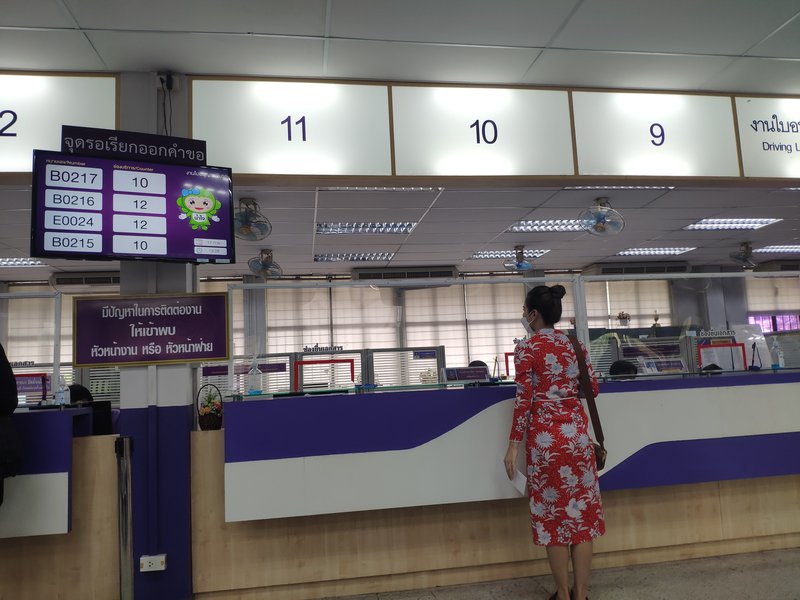
We’d go to the office with the buyer and finish the transfer together. If you just hand over signed papers and leave, the vehicle stays in your name until someone files the transfer. Cancel your insurance only once the transfer is done.

Some sellers do leave it to the buyer, though. One seller in Bangkok wrote in 2019 that they’d sold a car and a motorbike without going to the office at all, by giving the buyer signed copies of their passport and the green book, a transfer form and a power of attorney. If you want to go that way, check with your local Department of Land Transport office first. In 2024, a buyer who finished a transfer that way described several queues, and another reader suggested paying a motorbike shop or inspection station to handle it. We’d ask the buyer for proof the transfer went through, such as a photo of the green book showing the new owner, before you cancel anything.
Insurance, Medical Records and School
Don’t cancel your health insurance until your new cover has started. A gap in the middle of a move is a risk you don’t need. Ask your Thai hospital for copies of your medical records and prescriptions while you’re still here, because it’s much harder to get them from abroad.
If your children are in school, ask how much notice the school needs, and request their transcripts and vaccination records in English.
One Month Before You Leave
A month out, it starts to feel real. Boxes appear, the fridge gets emptier, and your to-do list gets longer before it gets shorter.
Movers and Pet Paperwork
Confirm your shipping date and make a packing list with a short description and value for each item. Ask your moving company to handle the customs paperwork. Most will want a copy of your passport and the list.
For a dog or cat, the export permit comes from the Department of Livestock Development. The official steps are only published in Thai, so a vet or pet relocation company can help you with the forms. You’ll go through these steps:
- Send the export request, with a copy of your passport and your pet’s rabies vaccination certificate.
- Take your pet for a health check no more than 2 to 3 days before the flight.
- Collect the export permit and health certificate from the animal quarantine office.
That health check has to land in your last few days, so we’d book it now rather than hope for a slot in your busiest week. The same owner needed about three hours at the airport quarantine office, on a day that wasn’t busy. That was back then, so check the current process and leave room in the day.
Moving Your Money
You can send your own money out of Thailand. Banks only have to ask for supporting documents on transfers of US$200,000 or more. (Verified October 2026.) If you’ve sold a condo, have the sale contract and the Land Department receipt ready for the bank.
Our guide to sending money from Thailand compares the fees. We’d move most of your savings out this month, while you can still walk into a branch if something goes wrong. Leave enough baht for the last few weeks of rent, bills and anything you still owe.
Bills, Subscriptions and Your SIM
Write down everything that charges you each month, from electricity and internet to the gym and streaming. Ask each one how to cancel and whether there’s a fee for ending early. We’d check the internet contract first, since that’s where an early-exit fee is most likely to hide.
Keep your Thai SIM, though. Cancelling it too early is an easy mistake. Your bank sends its one-time codes to that number, and you’ll need them to close accounts and approve payments after you’ve moved. If it’s prepaid, each top-up usually keeps the number active for about 30 days, so we’d top up enough before you go to cover the months you’ll still need it. Ask your network how long the number stays valid and how to top it up from abroad.
Your Last Week in Thailand
The last week is a blur of goodbyes, half-packed bags and handovers. It’s busy, so we’d book nothing else that week if you can help it.
Handing Back the Room
Take dated photos and a video of every room, and read the meters together with the landlord or the condo office. Hand back the keys and key cards, get a signed handover note, and give the landlord the bank account for your deposit. Agree on the date they’ll pay it back, and get that in writing too. Chasing a vague promise from abroad is miserable.
Early in 2026, one reader’s Bangkok landlord still hadn’t returned a THB40,000 deposit more than a month after they’d moved out. They filed a consumer complaint through their agent and said a relative would take it to court, and the landlord paid it all back straight away.
Your Bank Accounts
Keep one Thai account if you’ll still get money here, such as rent from your condo, your deposit, a tax refund or social security. Close the rest once the last payments have cleared.
Some leavers keep one even with nothing coming in. In late 2023, a reader told a retiree leaving for good to keep the account open, since new accounts are hard to open nowadays, and to leave a little money in it, drop the ATM card to save its annual fee, and make an app transfer now and then to keep the account active. If you do the same, check your bank’s fee for an inactive or low-balance account first.
If you leave an account unused with a low balance, some banks charge a small monthly fee, as our guide to Thai bank accounts explains. Sorting that out from abroad is a hassle, so we’d close what you don’t need. Before you close an account, cancel its debit card, PromptPay link and automatic payments, and pay off any credit card.
Your Papers From HR
On your last day, we’d ask HR for everything at once. Ask what to do with your work permit book, and ask for a copy of the notice they’ll send to the Department of Employment. Then ask for these:
- Your final payslip
- Your tax withholding certificate for the year
- Your social security number and how many months you’ve paid in
Your Last Thai Tax Return
Tax is the job that follows you out of the country. You still file a Thai tax return for the year you leave, and you file it in the following year, between 1 January and 31 March, or a few days later if you file online. Check the Revenue Department’s website for the exact dates in your year.
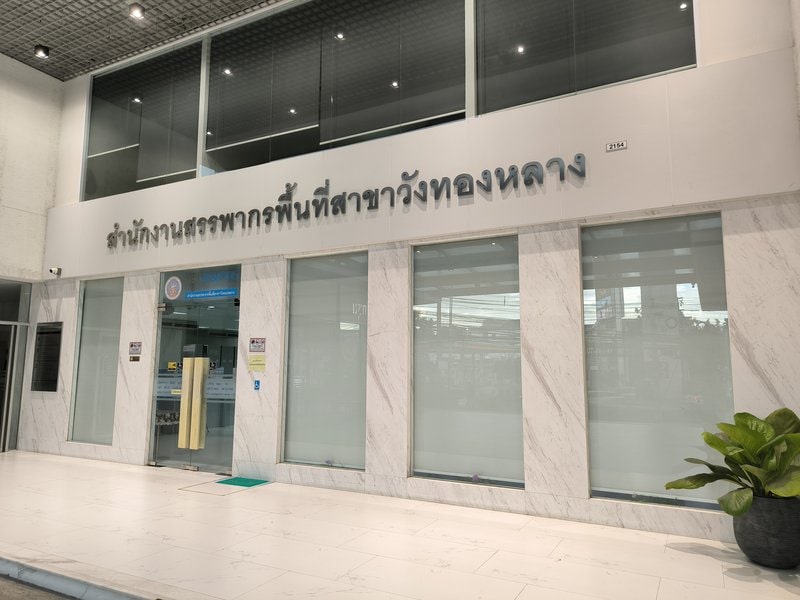
If your only income was your salary, you use the form called PND 91. If you had any other income, such as freelance work or rent, you use PND 90. You count as a Thai tax resident if you spent 180 days or more here that year, but you may still need to file if you left earlier. Our income tax guide for foreigners covers who has to file and the rates.
If you’re due a refund, the Revenue Department posts foreigners a cheque. So put an address on the return that will still get your mail after you’ve left, and keep a note of your Thai tax ID number somewhere you’ll find it next March.
Do You Need a Tax Clearance Certificate?
Probably not. The Revenue Department only asks for one if:
- You owe tax.
- You file tax for a foreign company doing business in Thailand.
- You earned taxable income as a performer, such as an actor, singer or professional athlete.
If one of those is you, apply at your local Revenue Department office within the 15 days before you leave, and show the certificate to Immigration at the airport. Leaving without one when you need it means a 20% surcharge on the tax you owe, plus a fine of up to THB1,000, up to a month in prison, or both. (Verified October 2026.)
If you’re not sure, we’d ask your local Revenue Department office before you book your flight. You can only apply in that last 15-day window, so finding out late can push your departure back.
Proof for Your Home Country
Your home country’s tax office may want proof that you paid tax in Thailand. The Revenue Department issues an Income Tax Payment Certificate for this. You apply with your tax return, the payment receipt, your tax ID card and a passport that shows you were here for 180 days that year.
Social Security When You Leave
If you’ve paid into Thai social security for years, it’s natural to want that money back on the way out. It doesn’t work that way. Your compulsory contributions stop when your job ends, and anything you’re owed is paid later, once you reach 55. How much depends on how long you paid in.
- With under 180 months of payments, you get a one-off lump sum when you reach 55.
- With 180 months or more, you get a monthly pension from 55, starting at 20% of your average wage over your last five years.
To claim, you fill in the old-age claim form and send it to a Social Security Office in person, by post or by email, with a copy of your bank book. The office usually pays into a Thai bank account or PromptPay, though it also pays by cash, cheque or postal order. That’s one more reason we’d keep one Thai account open if you expect money. Write down your social security number now, while HR can still tell you.
A reader who’d stopped work in Thailand wrote in 2017 that they were told to wait until 55. When they turned 55, they’d paid in for 178 months, so they got the lump sum. The visit took 45 minutes, and the office said the money would arrive in four to five weeks, so check current timings. These days the claim can also go in by post or email, as above. Our guide to Thai social security explains how the scheme works.
After You’ve Left
Once you’re abroad, these are easy to let slide:
- Chase your deposit in writing if it hasn’t arrived by the date you agreed.
- File your last Thai tax return between January and March.
- Ask for the Income Tax Payment Certificate if your home country wants proof.
- Move any money left over from a condo sale, with the sale papers ready.
- Cancel your Thai SIM once the last bank and tax messages have come through.
- Claim your social security at 55 if you qualify.
Frequently Asked Questions
Do I need to tell Immigration I’m leaving for good?
Usually not. You just fly out, and there’s nothing to cancel. The exception is a visa tied to your job, which ends on your last working day, so report to Immigration that day unless you’re flying out.
Do I need a tax clearance certificate to leave?
Most people don’t. It only matters if you owe tax or fall into one of the few other cases above, and if you’re unsure, ask before you book.
Can I get my Thai social security money back when I leave?
Not when you leave, sadly. If you qualify, the money comes at 55, either as a lump sum or a monthly pension depending on how long you paid in.
Can I keep my Thai bank account after I leave?
Yes, and we’d keep one if any Thai money is still coming your way. Just don’t let your Thai SIM lapse, or the bank’s codes won’t reach you.
How early should I start?
About three months ahead. The lease, a condo sale, shipping and pet rules are the slow ones, and they all take weeks.
Sources Cited
- Revenue Department, Tax Clearance Certificate: who needs one, the 15-day rule, penalties.
- Revenue Department, Guide to PND 91 (tax year 2024): who files, deadlines, refund by cheque for foreigners.
- Revenue Department, Guide to PND 90 (tax year 2024): who files, rental income.
- Revenue Department, Income Tax Payment Certificate: required documents.
- Social Security Office, old-age benefit: lump sum and pension rules, how to claim.
- Department of Employment, Legal Division: employer’s duty to report a foreign employee’s departure within 15 days.
- Immigration Division 1: leaving without a re-entry permit ends permission to stay.
- Royal Thai Embassy: overstay fine of THB500 a day, capped at THB20,000.
- Department of Livestock Development: steps and documents for exporting a pet.
- Bank of Thailand: exchange control rules, documents at US$200,000 or above.
- Labour Protection Act B.E. 2541, English text (Department of Labour Protection and Welfare): notice taking effect on the next pay day.
- Immigration Bureau, Bangkok office FAQ: permission to stay ending with the job and reporting on your last day of work.
- OCPB, standard residential lease: ending a fixed-term lease early with 30 days’ written notice after half the term.