
This article will take approximately 22 minutes to read. Don't have the time right now? No worries. Email the ad-free version of the article to yourself and read it later!
Trying to choose between Hua Hin and Phuket for retirement? Here’s an honest comparison of cost, healthcare, travel access, safety, and daily pace, so you can pick the one that actually fits your life.
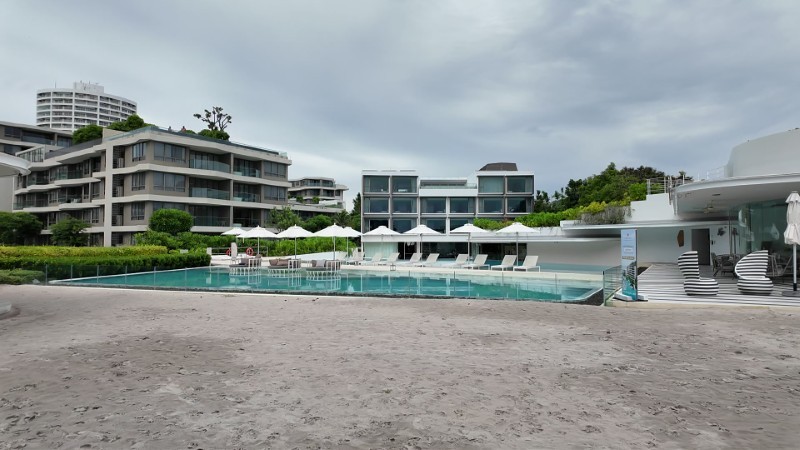
Hua Hin and Phuket get lumped together as “Thailand beach retirement,” but they are barely the same category. Hua Hin is a mainland town you can drive to in an afternoon. Phuket is a full island province with its own international airport, its own tourism economy, and prices to match.
That gap shows up in everything that matters once you actually live here: what you pay for a condo, how quickly you can reach a good hospital, how easy it is for family to fly in, and how much the sea can hurt you. And once you have signed a year’s lease or moved the whole family over, changing your mind is not a weekend job.
This guide compares the two side by side: lifestyle, cost of living, healthcare, getting there, the expat scene, weather and flood risk, things to do, and safety. At the end there are separate verdicts for families and for retirees, so you can skip to the one that fits you.
Contents
Key Takeaways
- Phuket suits retirees who want variety, an international crowd, and a real airport on their doorstep. Hua Hin suits those who want a quiet, low-cost mainland beach-town routine.
- Phuket is the more expensive of the two by a clear margin, not the 10 to 20 percent you see between Hua Hin and Pattaya. A comparable one-bedroom condo runs around THB15,000 a month in Hua Hin and THB25,000 or more in the parts of Phuket most expats want to live.
- Phuket wins on healthcare. It has two JCI-accredited private hospitals, Bangkok Hospital Phuket and Bangkok Hospital Siriroj, against Hua Hin’s two smaller private hospitals.
- Getting in and out is the real dividing line. Phuket has its own international airport with direct flights abroad; Hua Hin has no useful commercial airport and sits a three-hour drive from Bangkok.
- Phuket’s west-coast beaches turn dangerous in the May-to-October monsoon. The island records roughly 30 to 40 drownings a year, most of them in the rainy season. Hua Hin’s gulf beach stays calm and shallow.
- Phuket’s expat community is larger and more international but far more transient. Hua Hin’s is smaller, older, and more settled, which makes it easier to build lasting friendships.
- For families, Hua Hin is the easier call. If you do choose Phuket, keep well away from Patong and look at quieter, residential areas like Rawai, Nai Harn, or Bang Tao.

Quick Comparison at a Glance
| Factor | Hua Hin | Phuket |
| Lifestyle | Slow mainland beach town, easy daily routine | Island variety, but it depends heavily on the area |
| Cost of living | Lower, cheaper rent | Higher, condos and rent run well above Hua Hin |
| Starting budget (retiree couple) | From about THB50,000 a month | From about THB70,000 a month |
| Healthcare | Good, two private hospitals | Stronger, two JCI-accredited private hospitals |
| Getting there | 3-hour drive from Bangkok, no real commercial airport | Own international airport, direct flights abroad |
| Expat community | Smaller, settled, retiree-heavy | Larger, international, more transient |
| Retirement pace | Quiet and predictable | As busy or as calm as the area you choose |
| Safety | Calm sea, low-key, few scams | Rip currents, scooter accidents, tourist scams |
| Weather & flood risk | Lighter monsoon, flooding limited to some areas | Heavy May-Oct monsoon, dangerous surf, some flooding |
| Things to do | Golf, markets, outdoor lifestyle | Diving, islands, nightlife, international dining |
Lifestyle
Hua Hin
- Slow, steady pace on the mainland
- Outdoor mornings: golf, cycling, beach walks
- Consistent whichever part of town you pick
- Can feel quiet, even dull, on weekdays
Phuket
- Huge range of scenery and activity
- Feels completely different from one area to the next
- Patong is loud and touristy; the south and northwest are calm
- You have to choose your area carefully
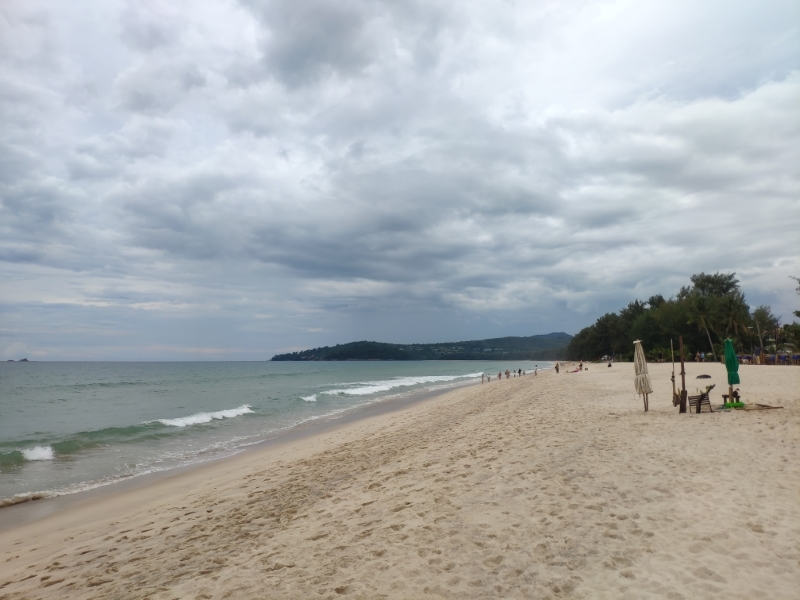
“Phuket” is not one place. It is Thailand’s largest island, and where you settle on it decides what your retirement feels like.
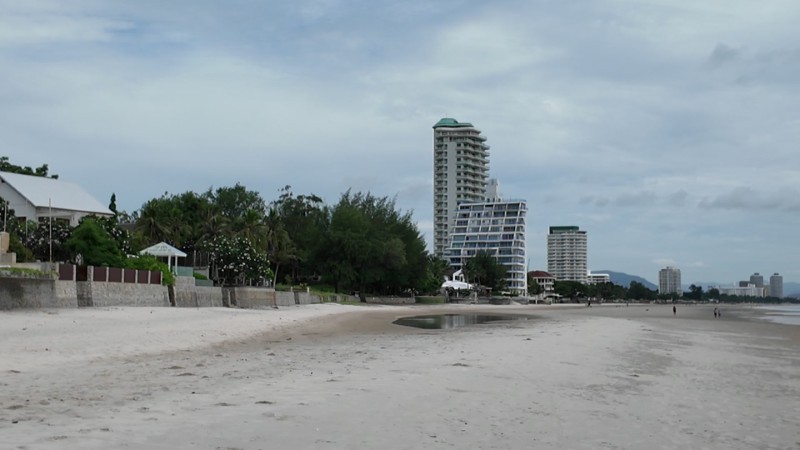
Life in Hua Hin is far more predictable. It is a mainland beach town with a long-standing retiree crowd, and the daily rhythm barely changes across it: coffee and exercise in the cooler morning, indoors through the worst of the midday heat, then out again in the evening. You always roughly know what your day will look like.
Phuket is the opposite. Patong is wall-to-wall bars, tour touts, and traffic, and most long-term residents avoid living in it. Move to Rawai or Nai Harn at the southern tip, or the Bang Tao and Cherng Talay area in the northwest, and you get quiet, leafy, residential neighborhoods that feel nothing like the postcards. If you research Phuket the tourist destination and then move to Phuket the place people actually live, you can get a shock in either direction.
If you are weighing up more than these two, the sister guide comparing Hua Hin and Pattaya covers a closer, mainland-to-mainland contest.
Verdict: Hua Hin gives you one consistent, easy lifestyle. Phuket gives you far more variety, but you have to pick the right corner of the island to get the version you want.
Cost of Living
Hua Hin
- Cheaper rent and daily costs
- More affordable, local lifestyle
- Comfortable on a modest budget
Phuket
- Meaningfully higher rents and condo prices
- Tourism pricing on food and services
- A big gap between Phuket Town and the beach areas
This is where the two really separate. Phuket is the most expensive of Thailand’s big retirement spots, and it sits clearly above both Hua Hin and Pattaya. (Rents below are in baht; at the time of writing US$1 bought about THB33.)
In Hua Hin, a one-bedroom condo in a central, walkable spot runs around THB15,000 a month. In Phuket, you can still find a one-bedroom in Phuket Town for THB10,000 to THB15,000, but that is not where most retirees want to be. In the areas people actually move for, Rawai, Nai Harn, Kata, Bang Tao, or Surin, a decent one-bedroom with a pool and gym usually starts around THB25,000 and climbs to THB40,000 or more.
Two things push Phuket’s prices up. The condo market is aimed at foreign buyers, so new developments near the west-coast beaches are priced in a different league. And tourism sets the going rate for everything else, so a coffee that costs THB70 in Hua Hin is often THB100 to THB130 in a Phuket beach cafe.
You can live cheaply in Phuket if you eat local and stay inland, but the whole reason most people move there, the beaches and the buzz, is exactly what carries the premium.
Verdict: Hua Hin is the clear winner on cost. Phuket can be done on a budget, but living the Phuket most people picture is noticeably more expensive.
Find out more:
Healthcare
Hua Hin
- Good quality for day-to-day needs
- Two private hospitals
- Bangkok is a three-hour drive for anything complex
Phuket
- A larger private hospital network
- Two JCI-accredited hospitals on the island
- Used to treating international patients
Unlike the Hua Hin versus Pattaya comparison, where healthcare was close, Phuket has a real edge here.
Hua Hin covers everyday care well through its two private hospitals, Bangkok Hospital Hua Hin and San Paolo Hospital. For routine treatment and most emergencies, they are perfectly good. For anything serious or specialized, though, expats often still make the three-hour trip to Bangkok. Our review of Bangkok Hospital Hua Hin goes through what it handles well and where it falls short.
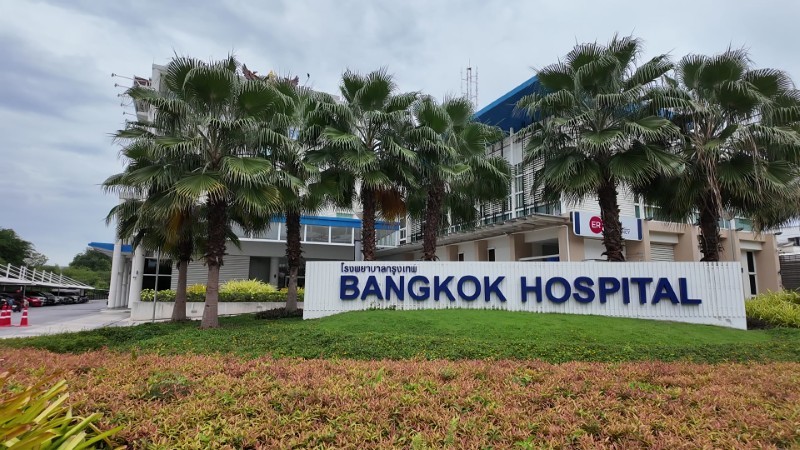
Phuket carries a deeper bench. It has two hospitals holding JCI accreditation, the international standard also used by top hospitals in Singapore and Dubai:
- Bangkok Hospital Phuket: the island’s flagship private hospital, with broad specialist departments and an expatriate privilege card that discounts rooms and treatment for residents.
- Bangkok Hospital Siriroj: the first private hospital in southern Thailand when it opened in 1982, now a roughly 200-bed hospital with more than 30 specialties and multilingual patient coordinators.
Because Phuket runs a year-round international patient load, its private hospitals are set up for foreigners: English-speaking staff, insurance desks, and specialists on site rather than a drive away. On the public side, both places are similar. Government hospitals get crowded, so most expats lean on the private ones.
The other quiet advantage is the airport, which matters more for medical care than people expect. From Phuket you can be in a Bangkok hospital in about an hour and a half by air. From Hua Hin, a Bangkok specialist means half a day in the car.
Verdict: Phuket wins. Both cover the basics, but Phuket’s hospital network is deeper and faster to reach specialist care.
Getting There
Hua Hin
- Three-hour drive from Bangkok
- A train line, which is scenic but slow
- A small airport with almost no commercial flights
Phuket
- Its own international airport
- Direct flights to Asia, the Middle East, and seasonal Europe
- No Bangkok drive, but no train either
How you get in and out barely came up in the Hua Hin versus Pattaya comparison, but for these two it may be the single biggest practical difference. It changes how often family visits, how you handle an emergency, and how tied you feel to Bangkok.
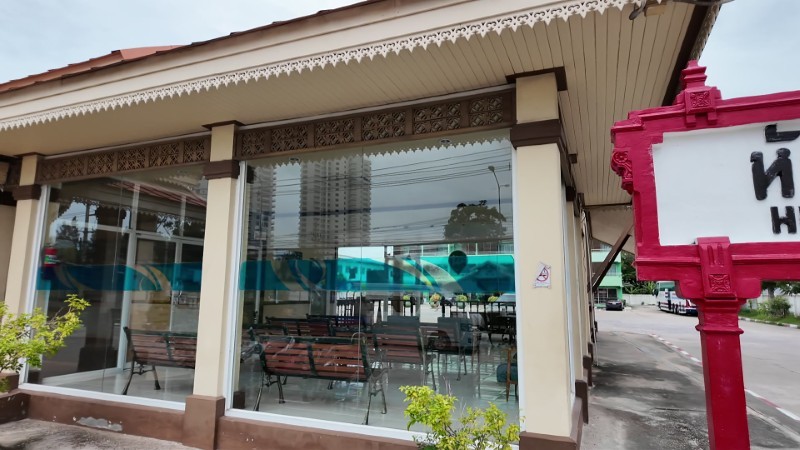
Hua Hin has no practical air link. There is a small airport, but it runs only a single domestic route to Chiang Mai a few days a week and no international flights at all. In practice, reaching Hua Hin means flying into Bangkok and then driving about three hours south, often through the long-running roadworks on Rama 2. The upside is the train: Hua Hin sits on the southern line, and the old wooden station is one of the prettiest in the country. It is slow, but for some retirees the train and the short Bangkok hop are part of the appeal.
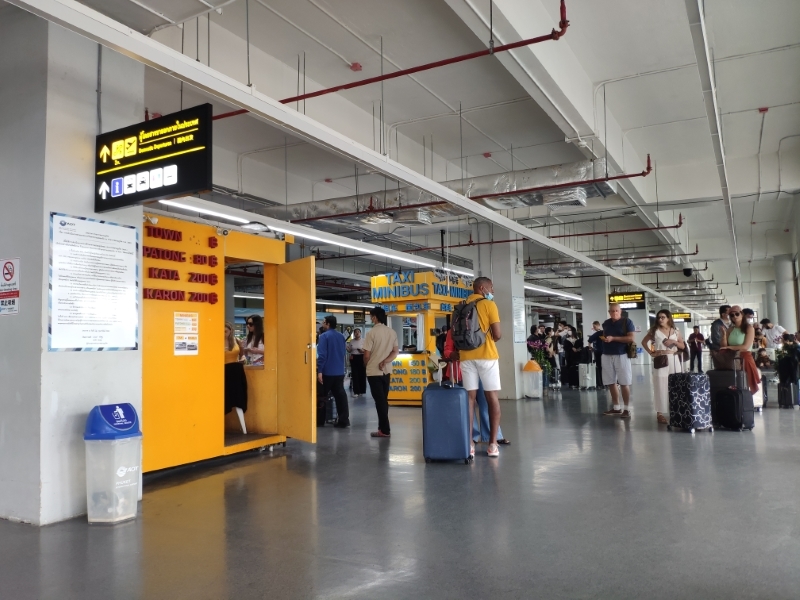
Phuket is a different world. Its international airport connects directly to dozens of cities across Asia and the Middle East, plus seasonal long-haul routes to Europe. Family can fly in without ever setting foot in Bangkok, and you can leave the country the same day you decide to. There is no train to Phuket, and a domestic flight to Bangkok takes about an hour and a half, but you rarely need the capital when the world already lands on the island.
For medical evacuation, this cuts the same way. An international airport on your doorstep is a genuine safety margin if you ever need to be flown somewhere fast.
Verdict: Phuket wins clearly for anyone who flies often or expects overseas visitors. Hua Hin only comes out ahead if you love the train and rarely leave the country.
Expat Community
Hua Hin
- Smaller but very settled
- Retiree and family heavy
- Easy to build lasting friendships
Phuket

- Larger and far more international
- Mixes retirees, families, and digital nomads
- More transient, with high turnover
Both have plenty of foreigners, but the feel of the two communities is quite different.
Hua Hin’s expat scene is smaller and skews toward retirees and families who have settled for the long haul, often with Thai partners. People stay, so the same faces turn up at the golf club, the market, and the coffee shop, and it is easy to fall into a regular circle. It leans European, with a large Scandinavian and German presence.
Phuket’s community is bigger and much more international, drawing people from all over the world. That variety is a real draw. The trade-off is churn: alongside the long-termers there is a constant flow of tourists, seasonal visitors, and digital nomads passing through for a few months. You will meet more people, but a lot of them will be gone by next year, so building a stable circle takes more effort.
Verdict: Hua Hin for a tight, settled community; Phuket for variety and sheer numbers, if you do not mind the turnover.
Weather and Flood Risk
Hua Hin
- Drier, lighter monsoon
- Calm, shallow gulf sea
- Flooding limited to certain areas
Phuket
- Heavy May-to-October monsoon
- Strong surf and rip currents on the west coast
- Occasional flash flooding after big storms
The weather is a bigger deal in Phuket than in Hua Hin, and it is not only about rain.
Hua Hin sits on the gulf and gets a relatively mild, dry climate. The sea is calm and shallow, safe for a swim most of the year. Flooding happens after heavy downpours, but it tends to stay in specific low-lying spots rather than swamping the town.
Phuket faces the Andaman Sea and takes the full southwest monsoon from May to October. That means weeks of heavy rain, the odd flash flood, and, more seriously, dangerous surf. The west-coast beaches, Patong, Karon, Kata, Surin, and Kamala, develop strong rip currents that can pull a swimmer out in seconds. Phuket records roughly 30 to 40 drownings a year, and most of them happen in the rainy season. When a red flag is flying, it means no swimming, no matter how inviting the water looks.
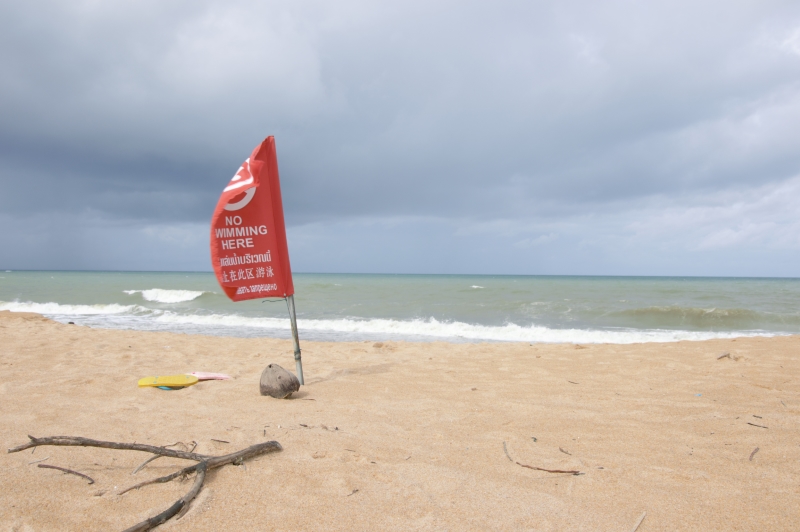
None of this makes Phuket unlivable, and the December-to-April dry season is glorious. But if you plan to be in the sea a lot, the monsoon is a real seasonal hazard you have to respect.
Verdict: Hua Hin has the gentler, safer conditions year-round. Phuket is stunning in the dry season but genuinely rough, and at times dangerous, through the monsoon.
Things to Do
Hua Hin
- Golf, cycling, night markets
- Quiet, outdoor-focused lifestyle
- Runs out of novelty fairly quickly
Phuket
- Diving, island-hopping, boat trips
- Big nightlife and international dining
- Always something new within reach
Phuket wins on variety, the same way Pattaya did against Hua Hin, but with more nature in the mix.
Phuket is a base for some of the best diving and island trips in the country. The Similan and Phi Phi islands are day trips, the restaurant scene runs from beach shacks to fine dining, and Patong delivers nightlife on any scale you want. Retirees who like being busy rarely run short of options.
Hua Hin is quieter and built around an outdoor routine: golf courses, cycling, beach walks, and a good spread of night markets. It is pleasant and easy, but the list of things to do is shorter, and after a while you will have seen most of it. What Hua Hin holds onto is a more local, less touristy feel in everyday life.
Verdict: Phuket for variety and adventure; Hua Hin for a calmer, more local pace.
Safety
Hua Hin
- Calm, low-key, few scams
- Safe, gentle sea
- Flat coastal roads
Phuket
- Rip currents on the west coast
- Scooter accidents on hilly, busy roads
- Well-known tourist scams around Patong
Both are safe places to live in the ordinary sense: violent crime against foreigners is rare in either. The risks worth weighing are different in kind, and this is where Hua Hin has the edge.
Phuket’s real hazards are physical rather than criminal:
- The sea: the west-coast rip currents cause roughly 30 to 40 drownings a year, concentrated in the monsoon. Hua Hin’s calm gulf water simply does not carry that risk.
- The roads: Phuket is hilly and heavily trafficked, and rented scooters on stretches like Patong Hill are the single biggest cause of injury to foreigners. Hua Hin’s flat, quieter roads are more forgiving.
- Scams: Phuket has Thailand’s most notorious tourist scams, above all the Patong jet-ski scam, where operators demand large sums for “damage” that was already there. This is much rarer in low-key Hua Hin.
On raw road-accident deaths, Thailand’s Ministry of Public Health road-injury dashboard actually shows Prachuap Khiri Khan (Hua Hin’s province) with more total deaths than Phuket, but that reflects a much larger province with long highways and heavy through-traffic. For someone living the resort-town life on a rented scooter, the day-to-day road risk in Phuket feels higher, not lower.
For the full picture on the island specifically, see our guide on whether Phuket is safe.
Verdict: Both are safe overall, but Hua Hin is the lower-risk choice. Phuket asks more of you around the water, the roads, and the tourist traps.
Hua Hin vs Phuket for Families
Hua Hin
- Safe, low-key environment
- Little nightlife on show
- Easy to live anywhere in town
Phuket
- Strong international schools
- Great for family activities
- Area choice matters a lot; avoid Patong
Both can work for families, but they ask different things of you.
Hua Hin is the simpler choice. It is calm and safe, the nightlife is small and easy to keep away from, and you do not have to think hard about which neighborhood you settle in. There is a well-regarded international school, and the town is used to families.
Phuket has more to offer on paper: several strong international schools, water parks, beaches, and endless activities. The catch is that Phuket also has Patong, one of Thailand’s most visible red-light areas, and you want distance from it. Families do well in the calmer residential zones: Rawai and Nai Harn in the south, or the Bang Tao and Cherng Talay area up northwest near several of the schools. Choose the area right and Phuket is a fine place to raise kids; choose it wrong and you are next door to the party.
Verdict: Hua Hin is the safer, lower-effort choice for families. Phuket can be excellent, but only if you are deliberate about where you live.
Hua Hin vs Phuket for Retirees
Hua Hin
- Quiet, affordable, predictable
- Settled retiree community
- Bangkok is the fallback for big medical needs
Phuket
- More variety, better hospitals, an airport
- Higher cost of living
- You pick the pace by picking the area
This is the decision most people wrestle with, and it really comes down to budget and what you want your days to look like.
Hua Hin is built for a calm, low-cost retirement. Your money goes further, the community is stable, and the daily routine is easy. The catch is that specialist healthcare is three hours away and the town can feel slow if you want more going on.
Phuket asks for a bigger budget and gives back more in return: better hospitals close at hand, an international airport for family visits and travel, and enough variety that you set your own pace. A retiree who wants a quiet island life can find it in Rawai or Nai Harn; one who wants to stay active and social has the whole island. The trade-offs are the cost and the monsoon.
If you are still weighing other towns too, our guide to the best places to retire in Thailand puts both in wider context.
Verdict: Hua Hin for a quiet, affordable retirement; Phuket for better healthcare, easy travel, and variety, if the budget stretches.
Final Verdicts: Who Should Choose Hua Hin
Hua Hin is the better choice if you want a quiet, affordable, low-effort retirement on the mainland.
It is ideal for:
- Retirees on a modest or fixed budget
- Families who want a safe, simple environment without thinking hard about which area
- People who like golf, cycling, calm swimming, and a settled community
- Anyone who does not fly abroad often and does not mind a Bangkok run for major healthcare
The downside is that Hua Hin can feel slow, and it has no real air link of its own. If you want variety or you travel a lot, it may start to feel limiting.
Final Verdicts: Who Should Choose Phuket
Phuket is the better fit if you want variety, strong healthcare, and easy international travel, and your budget can handle it.
It is ideal for:
- Retirees who want an international scene and plenty to do
- Anyone who flies abroad often or expects regular overseas visitors
- People who value top private hospitals close at hand
- Those willing to pay more for beaches, diving, and dining, and to pick their area carefully
The downsides are the cost, the monsoon and its dangerous surf, and the fact that the wrong neighborhood, Patong above all, can sour the whole experience.
FAQ
Is Phuket too expensive for retirees on a fixed budget?
It can be, if you want the beach lifestyle. Rents in the popular west-coast areas start around THB25,000 a month and climb from there, well above Hua Hin. You can bring the cost down a lot by living in or near Phuket Town and eating local, but if your budget is tight and fixed, Hua Hin lets you live the same comfortable life for less.
Can you retire in Phuket without a car?
It is harder than in Hua Hin. Phuket is large and hilly, public transport is thin, and taxis are expensive, so most residents drive or ride a scooter. If you would rather not, pick a walkable base like Rawai or Phuket Town and lean on ride-hailing apps, but budget for the cost and accept you will be more limited than a driver.
Is Phuket’s monsoon season a problem for retirees?
It is worth planning around. From May to October the west coast gets heavy rain and dangerous surf, and the island sees most of its 30 to 40 annual drownings in that window. Day-to-day life carries on fine, but swimming needs caution, some retirees travel during the wettest months, and if you buy or rent, check how the specific area handles heavy rain.
Sources Cited
- Phuket International Airport: the island’s direct international and domestic flight network.
- Hua Hin Airport: its limited commercial service (a single domestic route, no international flights).
- Thai Examiner: Phuket’s annual drowning toll of roughly 30 to 40 and its concentration in the monsoon season.
- Bangkok Hospital Siriroj: the hospital’s history, bed count, and specialties.
- Thailand Ministry of Public Health, Road Traffic Injury dashboard: provincial road-accident death figures for Phuket and Prachuap Khiri Khan.