

A Thai police clearance certificate is an official letter from the Thai police that says whether you have a criminal record in Thailand. You might need one for a job, a visa or a university place in another country. This guide shows you how to get one.
We cover how to apply while you live in Thailand and after you’ve left, the fees and waiting time, and how to get the certificate accepted abroad. You’ll also find what other applicants found when they went.
Disclaimer: Some links in this article go to our partners, and we may earn a commission if you use them. It costs you nothing extra, and we only recommend services we'd use ourselves. Read more in our Advertising Disclosure.
Contents
Key Takeaways
- The certificate shows whether you have a criminal record in Thailand. It doesn’t cover your home country.
- Only the Police Clearance Service Center in Lak Si, Bangkok, issues it.
- It costs THB100 if you pick it up, or THB160 if the office posts it to you.
- Expect about 15 business days, or 25 if a record turns up.
- If you’re in Thailand, you have to go in person for your photo and fingerprints.
- If you’ve left Thailand, you can apply by post or have someone file for you. Thai embassies may take your fingerprints, but you send the application yourself.
- From 28 February 2027, an apostille replaces the longer stamping process for many countries.


What Is a Thai Police Clearance Certificate?
Maybe an embassy has asked for it, or a new employer’s HR team has sent you a list of documents. Either way, what they want is a letter from the Royal Thai Police saying whether you have a criminal record in Thailand. Other countries call the same thing a police certificate or a criminal record check.
You can get one if you live in Thailand now, and you can also get one if you used to live here and have since moved away. It only covers your time in Thailand, though. If they also want your record from home, that’s a separate certificate from your own country’s police, and we explain how to get it from Thailand further down.
When You’ll Need One
It’s nearly always an authority abroad that asks. The office accepts applications for these reasons:
- A visa or residence permit in another country.
- A job abroad.
- Study abroad.
- Getting married abroad.
The application form only lets you pick one reason and one country. So before you apply, we’d ask whoever wants the certificate which country name to write and when they need it by. Getting that wrong means applying again and waiting another few weeks.
Thai visas can ask for one too. The Thai embassy in London, for example, makes a police clearance certificate a required document for UK and Irish residents applying there for a DTV, and it has to be less than 6 months old.
Other Thai applications sometimes want one as well. If you’re applying for permanent residence, or heading into teaching (see our teacher license guide), check the current document list before you spend money on a certificate.
It isn’t always obvious who’ll ask. In a 2024 post, one forum reader back in the UK said they turned down education job offers because those jobs needed a Thai police check. Another teacher said none of the six schools they’d worked for in Thailand ever asked. So if you’re only guessing you’ll need one, we’d ask the employer or school first.
How to Apply While You Live in Thailand
If you’re living here, there’s no doing this online or by post. Staff take your photo and fingerprints at the counter, so you have to show up in person. It’s the only office that issues the certificate, so if you live in Chiang Mai or Phuket, plan a trip to Bangkok.
Where and When
The office is on the 2nd floor of the Public Service Center, 27/40 Soi Vibhavadi Rangsit 27, Thung Song Hong, Lak Si, Bangkok 10210. It’s open Monday to Friday, 08:30 to 16:30, and closed on weekends and public holidays. The phone number is +66 2 551 1999. You can find it on Google Maps.
Tip: Some older guides and embassy pages still list an office at the police headquarters on Rama I Road. The office has moved to Lak Si, so don’t go to the old address. As late as November 2025, one reader on the expat forums was still asking about the old office in Pathumwan.
You don’t need an appointment. Take a queue ticket from the kiosk when you arrive. People who booked online and turn up on time are served first, but the online booking looks like it’s built for Thai applicants. So we’d skip it and walk in early in the morning.
What to Bring
This is where most of the effort goes, and it’s worth getting right the first time. Sign every copy you bring as a true copy. The office’s checklist for foreigners asks for:
- Your passport, valid for at least 6 more months, plus a copy.
- A copy of the passport page with your Thai visa and your latest entry stamp.
- Something that shows you live, work or used to work in Thailand.
- A copy of your work permit, if you have one.
- Papers that show why you need the certificate.
That last item depends on your reason. For a job, it’s the job offer or contract and a letter from the employer. For study, it’s the university’s offer letter. For marriage, it’s the marriage certificate and your partner’s ID. For residence, it’s the residence application and a letter from that country’s embassy.
Any document that isn’t in Thai or English needs a certified translation. Our Thai translator guide explains how to find one.
The office’s checklist is an older document, so we’d call before you go and ask whether it’s still the full list. Police also reminded applicants in July 2026 that certificates for use abroad need fingerprints, and that some requests need a supporting letter from whoever is asking. The office’s own pages show no change, so when you phone, ask whether your case needs that letter too. A missing paper means a second trip to Lak Si, and Lak Si is out in the north of Bangkok. Five minutes on the phone is a lot less painful than that.
In practice, the counter may ask for less. One reader in late 2025 said they didn’t need anything certified, only their passport and themselves. That’s one person’s visit, so we’d still bring everything on the office’s list above. On a 2023 thread, another reader said the officer wanted to see the letter from the government asking for the check before handing out a queue number.
Step by Step
Once your papers are sorted, the visit is the easy part. At the office:
- Download the application form and the statement form from the office’s website, or ask for them at the counter.
- Go to the office on a weekday and take a ticket at the kiosk for a new request.
- Hand in your documents and pay in cash.
- Have your photo taken and your fingerprints scanned.
- Pick up the certificate about 15 business days later, or ask the office to post it to you.
A reader on a May 2023 thread, at the old Rama I office, said the visit took 30 minutes to an hour and the certificate arrived by EMS about 20 days later. That lines up with the official 15 business days, so plan on about three weeks with postage.

Fees and Waiting Time
You won’t spend much on this one. The certificate costs THB100 if you pick it up and THB160 if the office posts it. From abroad, it’s THB100 with your own prepaid return envelope or THB700 without one. (Verified October 2026.)
| How you apply | Fee | Waiting time |
|---|---|---|
| In person, you pick it up | THB100 cash | About 15 business days |
| In person, office posts it | THB160 cash | About 15 business days |
| By post from abroad, with a prepaid return envelope | THB100 by bank transfer | 15 to 25 working days |
| By post from abroad, no return envelope | THB700 by bank transfer | 15 to 25 working days |
| Someone in Thailand applies for you | THB160 at the office | 15 to 25 working days |
Unless you live or work near Lak Si, we’d pay the extra THB60 and have it posted. That’s cheaper than a second taxi ride across Bangkok, and you don’t lose another morning.
If you have a criminal record in Thailand, your application still goes through. You add a copy of the court judgment and a certified copy showing the case is closed, and the wait goes up to 25 business days.
How to Apply After You’ve Left Thailand
Already back home, or moved on somewhere else? You can still get the certificate, but you can’t do it through a Thai embassy. The Thai consulate in Sydney, for example, says it doesn’t lodge applications for anyone, and embassies only help with fingerprints. So you either post everything to the office yourself or ask someone in Thailand to file it.
Applying by Post
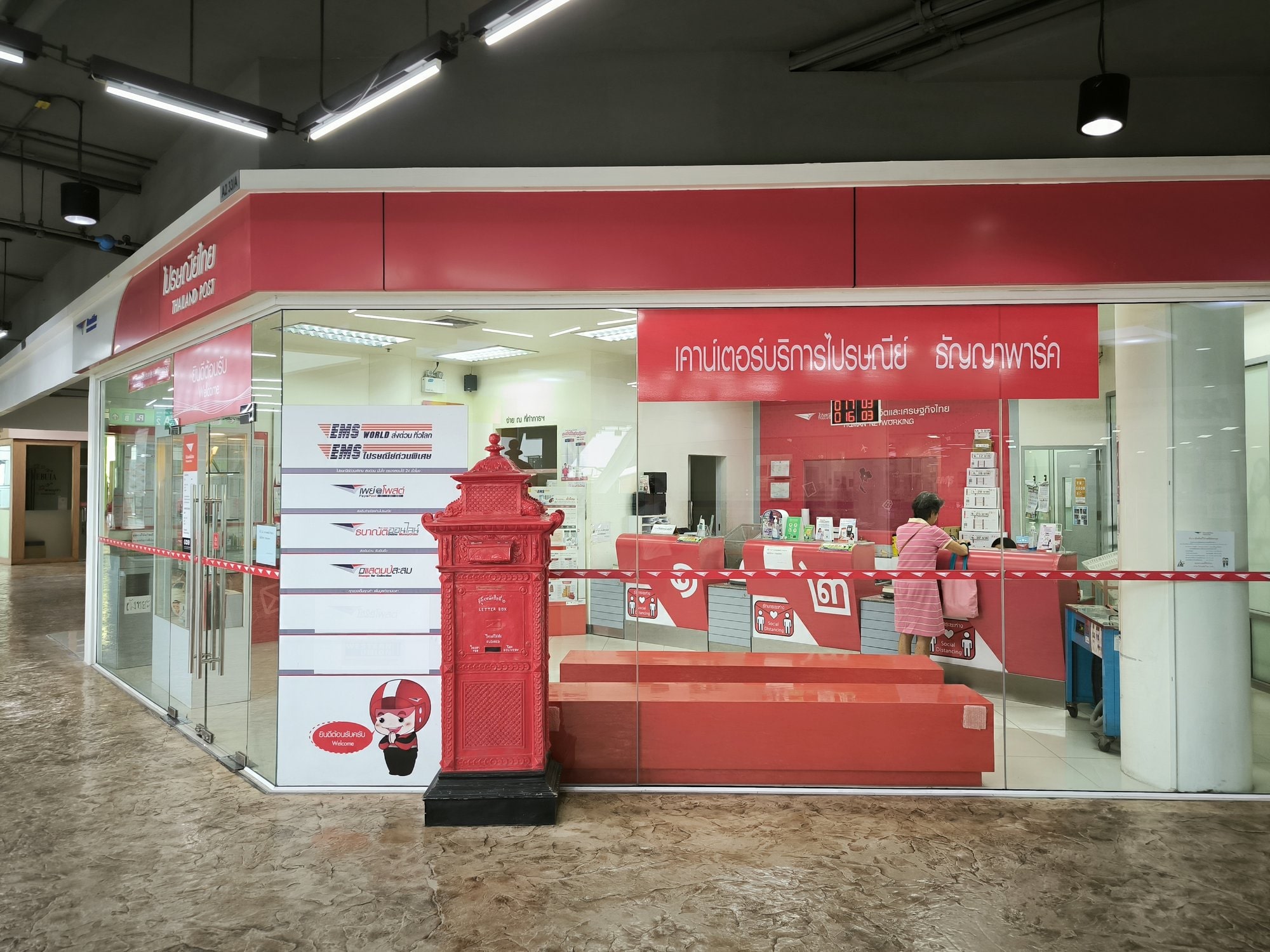
This route takes more effort, mostly because your fingerprints have to be taken on paper and posted halfway around the world:
- Get two sets of fingerprints taken at a local police station. Some Thai embassies and consulates take them too. The Thai consulate in Sydney charges A$50 for two sets, by appointment.
- Fill in the application form, the statement form and the fingerprint form.
- Pay the fee in Thai baht by bank transfer. The bank details are on the office’s page for people living abroad. You cover the transfer fees.
- Post everything to the Public Service Center of Special Branch Bureau, 27/40 Thung Song Hong, Lak Si, Bangkok 10210, Thailand.
- Wait 15 to 25 working days for the certificate to come back by post.
Your envelope needs these documents:
- A signed copy of your passport.
- A copy of your old Thai visa or work permit.
- A copy of your visa for the country you live in now.
- Copies of the passport pages with your Thai entry and exit stamps.
- Two passport photos.
- The two original fingerprint sets.
- A printout of your payment.
- A return envelope with postage, or an extra THB600 in the transfer.
Fingerprints are where people abroad get stuck. In a 2023 thread, one couple in Australia said they couldn’t get rolled prints right at the Thai embassy, were told digital prints from a police station would do, and then heard from the office in Bangkok that it doesn’t accept digital prints. In 2024, a reader in the UK paid about £150 for two sets of fingerprints in Bristol. We’d call or email the office in Bangkok before you book anything, so you only pay for prints once.
That same reader’s envelope arrived in Bangkok within a week, but they forgot the passport photos. The office emailed about it, and months later the reader still hadn’t heard back. Check every item before you seal the envelope.
The 15 to 25 days start when the office gets a complete application, not when you post it, and then the certificate has to travel back to you. So we’d start this at least two months before your deadline, and use tracked post so you know when it’s arrived.
Having Someone in Thailand Apply for You
If you have a friend, relative or agent in Thailand, this is the easier option. Give them a signed power of attorney with a THB10 revenue stamp on it. They bring a copy of their own passport and pay THB160 at the counter, and you skip the international post on the way in.
There are also agents who handle the whole thing for a fee. Readers in 2019 and 2021 reported paying agents about THB4,400 to THB4,500 and getting it in about 5 to 7 working days, and one saw lawyer sites quoting THB10,000 or more. Those are old reports, and we can’t vouch for any agent’s price or speed today. Either way, your fingerprints still have to reach the office. Against a THB100 fee, we’d only use an agent if your deadline is tight or your employer is paying.
Getting a Police Check From Your Home Country
Sometimes the checklist wants your record from home, not just from Thailand. That comes from your own country’s police or justice ministry, and you can usually sort it out without flying back. The rules differ by country, so start with your embassy’s website. The countries below all let you apply while you live in Thailand.
United States
You ask the FBI for an Identity History Summary. Send the FBI a written request with proof of who you are and a set of inked fingerprints, or go through an FBI-approved private company that handles the request for you.
The US Embassy in Bangkok gives out blank fingerprint cards for free, with no appointment, but it doesn’t take fingerprints. For that, it sends people to the Police Clearance Service Center in Lak Si. If the country you’re applying to wants the FBI record authenticated, ask the FBI for that when you apply.
United Kingdom
UK police certificates come from ACRO, the Criminal Records Office, and you apply on its website. The Thai embassy in London accepts an ACRO certificate for a DTV application if it’s less than 6 months old.
Australia
The Australian Federal Police issues a National Police Certificate. It costs A$57, or A$114 with fingerprints. (Verified October 2026.)
Without fingerprints, you apply online and most certificates come by email within 48 hours. With fingerprints, you apply by post and wait 15 to 30 business days. The Australian Embassy in Bangkok won’t take your fingerprints, so you arrange that yourself with the local police here. If the authority doesn’t need a fingerprint check, we’d go for the online one every time.
Germany
Germany’s certificate is the Führungszeugnis (certificate of good conduct), and it costs €13. (Verified October 2026.)
If your German ID card has the online function switched on and you have a card reader, you can apply online, which is by far the simpler way. Otherwise, you book an appointment at the German Embassy in Bangkok to confirm your identity, which costs €34.07, paid in baht cash. Applications from abroad are taking longer than usual right now, so give yourself some slack.
If the country you’re applying to needs an apostille, ask for the paper version. The digital certificate can’t get one.
Using the Certificate in Another Country
So you’ve got the certificate in your hand. Many countries still won’t accept it until it has an official stamp from the Thai government. The rules are changing in 2027, so the process depends on when you apply.
Before 28 February 2027
For now, you need a process called legalization. First, take the certificate to the Department of Consular Affairs at the Ministry of Foreign Affairs in Bangkok for its stamp. Then take it to the embassy of the country where you’ll use it, which may also ask for a translation.
It’s a bit of a slog, and one forum reader in 2024 called it a pain, so build it into your timeline. Our legalization guide covers the queue, the translation check and the fees.
From 28 February 2027
Thailand joins the Apostille Convention, an international agreement that lets one stamp, called an apostille, replace the longer process. From that date, a certificate going to another member country should only need the apostille.
Countries outside the agreement will still want the old legalization process. We’d ask the authority you’re applying to which one it needs before you pay for either. The Department of Consular Affairs says the change will cut the number of steps, but it hasn’t published how Thailand will issue apostilles or what they’ll cost, so check its website closer to the date.
Frequently Asked Questions
Can a foreigner get a Thai police clearance certificate?
Yes. It doesn’t matter whether you live here now or left years ago.
Can I apply outside Bangkok?
Sadly not. If you’re in Thailand, you’ll have to make the trip to Lak Si. If you’ve left, you post it instead.
Can someone else go to the office for me?
Only if you’re abroad, using a power of attorney. If you live here, they need your face and fingerprints, so you’ll have to go yourself.
How long is the certificate valid?
We found no official validity period. The authority asking for it decides how recent it must be, so ask them before you apply and time it to fit.
Sources Cited
- Police Clearance Service Center, application process for applicants residing abroad: fees, documents, address, processing time and power of attorney for the postal route.
- Police Clearance Service Center (Special Branch Bureau): application forms, walk-in queue, fees and processing time.
- Police Clearance Service Center checklist for foreign applicants (hosted by the Ministry of Foreign Affairs): documents for foreigners living in Thailand and for each purpose.
- US Embassy Bangkok: criminal record checks (April 2026): FBI check options, fingerprinting in Thailand, office address and phone.
- US Embassy Bangkok: fingerprint cards: free fingerprint cards and the embassy not taking fingerprints.
- Royal Thai Consulate-General, Sydney: police clearance certificates: fingerprinting fee and the consulate not lodging applications.
- Royal Thai Embassy, London: police clearance certificate: fingerprints at a local police station.
- Royal Thai Embassy, London: DTV supporting documents: police clearance requirement and the 6-month rule.
- Royal Thai Embassy, Brussels: Thai documents used abroad: legalization order for Thai-issued documents.
- GOV.UK: criminal records checks for overseas applicants: what ACRO police certificates cover.
- Australian Federal Police: National Police Checks: fees, fingerprints and processing times.
- Australian Embassy Bangkok: police clearance: arranging fingerprints with the local police.
- German Embassy Bangkok: Führungszeugnis: online and embassy routes, embassy fee.
- Bundesamt für Justiz: Führungszeugnis: €13 fee, apostille, processing delays.
- HCCH: Apostille Convention status table: entry into force for Thailand on 28 February 2027.
- Department of Consular Affairs: Apostille Convention seminar: 28 February 2027 effective date.