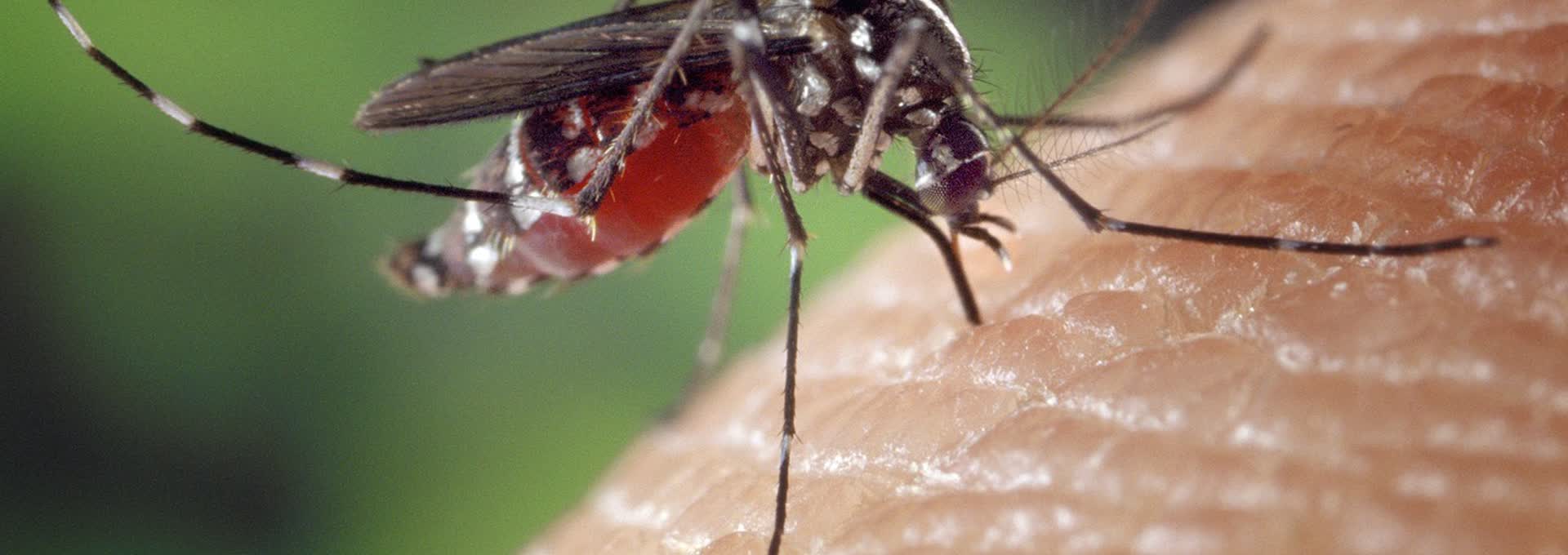

Thailand’s dengue season peaks between May and October. Here’s what the official case numbers show, what the Qdenga vaccine costs, and why taking the wrong painkiller can turn a bad fever into a dangerous one.
You’ll hear about dengue sooner or later if you stick around Thailand through a rainy season.
Maybe it’s a coworker calling in sick for a week with a fever that won’t budge, or a neighbor’s kid getting sent home from school, or your own arm aching in a way that makes you check for mosquito bites. It’s one of those things everyone here has an opinion about, and almost everyone knows someone who’s had it.
The good news is that most cases are unpleasant rather than dangerous, once you actually know what to watch for. This guide walks through it using the real numbers Thailand and the WHO publish, not the vague “dengue is bad, be careful” advice you’ll find everywhere else.
Disclaimer: Some links in this article go to our partners, and we may earn a commission if you use them. It costs you nothing extra, and we only recommend services we'd use ourselves. Read more in our Advertising Disclosure.
Contents
Key Takeaways
- Thailand reported 6,004 dengue cases in July 2026 alone, according to WHO’s regional surveillance data, though the weekly case count is currently tracking below 2025 levels.
- A typical year sees close to 100,000 cases and about 100 deaths nationwide, according to Thailand’s Ministry of Public Health.
- Never take ibuprofen or aspirin for a suspected dengue fever. NSAIDs raise the risk of internal bleeding, so paracetamol is the only safe option.
- The Qdenga vaccine is approved in Thailand for people aged 4 to 60, given as two doses three months apart, and widely available at private hospitals for around THB4,500 to THB8,100 for the full course.
- Qdenga is contraindicated during pregnancy and breastfeeding, and for anyone on immunosuppressive treatment.
- Warning signs like persistent vomiting, bleeding gums, or severe abdominal pain mean it’s time to go to the hospital, not wait it out at home.
- Solid health or travel insurance is worth having before rainy season hits. A dengue hospital stay adds up fast.

What Is Dengue Fever
Dengue is a virus you get from a mosquito bite, specifically from Aedes aegypti, the same species behind Zika and chikungunya. The WHO’s dengue fact sheet covers the clinical side in full, but the one detail worth knowing upfront is that these mosquitoes bite during the day, not at night.
That flips the usual mental model: a mosquito net over your bed does almost nothing here, since the risk window is while you’re out and about at dawn or dusk, not while you’re asleep.
There are also four different dengue serotypes floating around, and catching one only protects you from that one long-term. Get infected with a different serotype later and your risk of a severe case actually goes up, not down. That’s the reason people who’ve “already had dengue” still need to take it seriously the second time, sometimes more seriously than the first.
The disease doesn’t pass between people directly. You need the mosquito in between, which is why so much of the prevention advice below is really about denying mosquitoes a place to breed rather than avoiding sick people.
How Many People Get Dengue in Thailand
Thailand records dengue cases in the tens of thousands most years, with a sharp seasonal spike between June and October.
The WHO’s Regional Office for South-East Asia tracks the country’s case counts in a biweekly bulletin, and the most recent edition shows Thailand reported 6,004 cases in July 2026 alone.
Week to week, the numbers move fast.
- In the week ending August 9, 2026, Thailand reported 792 suspected cases, a 39% drop from the 1,288 cases the week before, and 65% lower than the same week in 2025.
- That’s a good sign for how 2026 is shaping up compared to last year, though it doesn’t mean the season is done and dusted.
Thailand’s weekly count usually climbs through June and July, peaks somewhere around August or September, then tapers off by November.
Zoom out past any single year, though, and the country’s Ministry of Public Health puts the baseline in blunt terms. “Every year we have almost 100,000 cases per year and almost 100 deaths every year,” said Dr Darin Areechockchai, an epidemiologist and Deputy Director of the Division of Vector-Borne Diseases at the Ministry, in comments published by the WHO’s tropical disease research arm.
Some years run well above that number and some well below it, but it puts the scale in perspective. Dengue isn’t some rare, exotic risk you read about once and forget. It’s baked into the rainy season here the same way flu season is baked into a Northern Hemisphere winter.
Good to Know: 2023 was a notably bad year nationally, with weekly case counts running well above the last few rainy seasons. If you’re trying to gauge how serious the current season is, the trend compared to the same week last year matters more than the raw number, since Thailand’s baseline shifts substantially from year to year.
Why Rainy Season Raises the Risk

Aedes mosquitoes only need a small pocket of clean, still water to lay eggs: a plant saucer, a roof gutter, a discarded bottle cap, an unused bucket, the tray under your air conditioner. Thailand’s rainy season fills those containers over and over, in every neighborhood, all at once. More breeding spots mean more mosquitoes, and more mosquitoes mean more bites.
Living in Bangkok or another big city doesn’t buy you much protection. Dense housing, construction sites with pooled runoff, and the sheer number of small containers scattered around any apartment block or shophouse give mosquitoes plenty of places to breed. If anything, transmission can spread faster in a crowded neighborhood simply because there are more people close together for an infected mosquito to bite.
Symptoms and When to Seek Care
Dengue usually shows up 4 to 10 days after the bite and runs its course over 2 to 7 days. It feels like a bad flu: a high fever (sometimes up to 40°C), a pounding headache, pain behind your eyes, and muscle and joint aches severe enough that dengue picked up the nickname “breakbone fever.” Nausea, vomiting, swollen glands, and a rash often come along for the ride too.
Most people just ride it out with rest and fluids. A smaller number of cases turn into severe dengue, and the tricky part is that this usually happens as the fever is coming down, not while you’re at your worst, which is exactly when people relax and let their guard down. Watch for these signs and treat any of them as your cue to get to a hospital, not wait it out at home:
- Severe abdominal pain that’s new or getting worse
- Persistent vomiting, especially if you can’t keep fluids down
- Rapid or labored breathing
- Bleeding gums or nosebleeds
- Blood in vomit or stool
- Extreme thirst combined with pale, cold, clammy skin
- Marked restlessness or, conversely, unusual lethargy and weakness
If you or someone you’re with develops any of these, head straight to a hospital, not a pharmacy or a walk-in clinic. Severe dengue can move fast, but Thai hospitals, especially the private ones most expats end up using, handle it routinely and are well set up to manage it if you get there in time.

Read more: Emergencies in Thailand: What to Do and Who to Call
The NSAID Warning
Here’s the one thing to actually remember out of this whole guide: if you think you might have dengue, don’t reach for ibuprofen, aspirin, naproxen, or any other NSAID. These are the exact painkillers most people grab automatically for a fever, and they’re exactly the wrong choice here. NSAIDs thin the blood, and dengue already comes with a bleeding risk, so mixing the two can turn a manageable case into a much scarier one.
The WHO is blunt about this. Its advice for suspected dengue is to rest, drink plenty of fluids, and stick to paracetamol (acetaminophen) for fever and pain, while specifically staying away from NSAIDs like ibuprofen because they “can increase the risk of bleeding.”
If you’re not sure whether a fever is dengue, flu, or something else entirely, treat it like dengue until a blood test says otherwise. A same-day NS1 antigen or PCR test at pretty much any Thai hospital or major clinic will settle it, and it’s a routine, fast test during rainy season, nothing dramatic.
Tip: Keep paracetamol in your medicine cabinet instead of ibuprofen if you’re living somewhere with regular dengue transmission. It’s a small habit, but it removes the temptation to grab the wrong bottle when you’re running a 39°C fever and not thinking straight.
The Qdenga Vaccine (Dengue Vaccine)
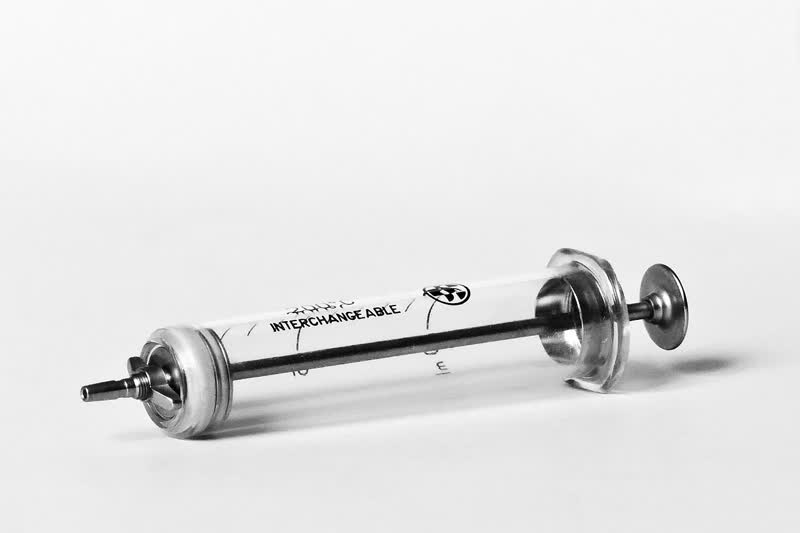
Thailand’s FDA cleared Qdenga, Takeda’s dengue vaccine, back in May 2023 (marketing authorization number 2C 4/66, if you want to look it up yourself), and it’s made locally by Takeda (Thailand) Ltd in Bangkok.
Who Qualifies
Doctors in Thailand give Qdenga to anyone from age 4 to 60, whether or not you’ve had dengue before. Nobody’s tested it thoroughly outside that range, so hospitals generally stick to it, though a few doctors will use their judgment for a healthy, active patient just over 60. Worth asking directly if that’s you.
Because it’s a live vaccine, a few groups shouldn’t get it:
- Pregnant women, and women should avoid pregnancy for at least one month after vaccination
- Breastfeeding women
- Anyone with a weakened immune system, including from chemotherapy or high-dose corticosteroid treatment in the last four weeks
- Anyone with symptomatic HIV, or asymptomatic HIV with signs of a weakened immune system
Dosage and Schedule
It’s two shots, three months apart, under the skin, not into a muscle. No booster is currently needed. If you’re running an acute fever, the hospital will push your appointment back a bit, but a minor cold isn’t a reason to delay.
How Well It Works
In Takeda’s big Phase 3 trial, which ran partly in Thailand, Qdenga’s numbers broke down like this:
- First year after the second shot: 80.2% fewer symptomatic, lab-confirmed dengue cases, and 90.4% fewer hospitalizations
- Out to 4.5 years: still 61.2% protection against dengue fever, and 84.1% against hospitalization
Side effects are mostly what you’d expect from any vaccine, and they’re mild, clear up within a few days, and tend to feel lighter after the second shot than the first:
- Sore arm: 50%
- Headache: 35%
- Muscle aches: 31%
- Redness at the injection site: 27%
- General tiredness: 24%
- Fatigue: 20%
- A bit of fever: 11%
Cost and Where to Get It
Any major private hospital in Bangkok or the bigger cities carries Qdenga, and getting it as a foreigner is about as simple as booking any other vaccine. Here’s what the full two-dose course runs at a few hospitals right now:
| Hospital | Price for 2 doses |
|---|---|
| Samitivej Hospital | THB4,500 (promo, regular THB6,050, valid to 31 Dec 2026) |
| Bangkok Hospital | THB6,100 (promo, regular THB6,800, valid to 31 Dec 2026) |
| Bumrungrad Hospital | THB8,100 (approx. US$245) |
Prices move around and promos expire, so treat this as a starting point and confirm the current rate when you call.
Community report: In the expat forums, the consistent story is that getting Qdenga is a non-event: no prior dengue test required, hospitals handle walk-ins and bookings without fuss, and it gets treated like any other routine travel or seasonal vaccine rather than something that needs special sign-off.
Mosquito Prevention at Home
Vaccination doesn’t replace keeping mosquitoes off you and out of your home, partly because Qdenga’s protection isn’t total, and partly because plenty of people can’t get it in the first place. The WHO’s core advice is simple:
- Cover up as much skin as you reasonably can, especially during the day when Aedes mosquitoes are active
- Use a repellent with DEET, Picaridin, or IR3535, and reapply it as directed
- Empty, scrub, or cover anything holding standing water once a week: plant trays, buckets, old tires, gutters
In the expat forums, a handful of habits come up again and again. Locally made repellents, sold for cheap at any 7-Eleven, tend to become a daily habit rather than something people bother importing from home. A lot of people also keep an electric mosquito-swatting racket by the door and give the room a quick pass before settling in for the evening, which clears out anything that snuck in during the day.
And the daytime-biting habit of Aedes mosquitoes comes up often enough in those threads that it’s worth hammering home one more time: the danger window is dawn through dusk, not after dark.
Healthcare Costs and Insurance

A straightforward case, managed at home with rest and fluids, doesn’t cost much beyond a doctor’s visit and a blood test or two to confirm the diagnosis and track your platelet count. Things get pricier if the case turns severe and you need inpatient monitoring or IV fluids, which private hospitals in Thailand handle well, but not cheaply.
One expat’s account from a Bangkok private hospital: 3 days admitted for critical dengue, blood tests every 30 to 60 minutes, 3 to 4 saline bags a day. Total bill came to about THB45,000. Figures like this vary a lot by hospital and how severe the case gets, but it gives you a sense of scale for what a severe case actually runs.
Health insurance in Thailand generally covers infectious disease admissions and IV therapy, though the exact terms and exclusions vary by policy and provider. If you already have coverage, it’s worth checking your specific policy for how it handles this, and keeping your documents somewhere you can grab them fast if you end up admitted.
Tip: If you’re still shopping for coverage, confirm the policy explicitly covers vector-borne illness before you buy. Not every budget plan does.
Common Mistakes and Pitfalls
A handful of mistakes come up again and again, both in the official guidance and in what expats actually report after going through it themselves.
- Do NOT reach for ibuprofen first. It’s most people’s default painkiller, and it’s exactly the wrong one here. Keep paracetamol as your go-to during dengue season.
- Waiting too long to get tested. A fever that feels like a bad flu can be dengue, and the warning signs for a severe case often show up as the fever’s breaking, several days in, not right at the start. If a fever during rainy season isn’t improving after two or three days, get a blood test rather than assuming it’ll pass on its own.
- Assuming insurance means no scrutiny of the bill. A recurring gripe in the expat forums is that some private hospitals run extra tests or push for an admission once they know a patient is insured, whether it’s strictly needed or not. It’s completely fair to ask a doctor directly why a particular test or an ICU admission is being recommended, and to ask for the reasoning in plain terms, especially if the clinical picture looks mild.
FAQ
Can you get dengue more than once?
Yes. There are four dengue serotypes, and infection with one gives you long-term immunity only to that one. A second infection with a different serotype actually carries a higher risk of severe dengue than a first infection, which is part of why prevention still matters even if you’ve already had it once.
Is the Qdenga vaccine worth getting if I have already had dengue?
Qdenga is approved regardless of prior infection, and the trial data showed it worked in both previously infected and previously uninfected participants, with somewhat stronger protection in those who’d already had dengue. Worth discussing your specific history with a doctor before deciding either way.
Do mosquito nets protect against dengue?
Only partially. Aedes mosquitoes bite mostly during the day, so a net over your bed at night doesn’t do much against the actual risk window. Repellent, covering skin, and clearing standing water matter a lot more for dengue specifically than they do for the night-biting mosquitoes a net is built for.
How long does it take to recover from dengue?
The fever itself typically lasts 2 to 7 days. Fatigue and general low energy can drag on for weeks after, so don’t be surprised if you’re still feeling run down well after the fever’s broken.
Should children get the Qdenga vaccine?
Qdenga is approved in Thailand from age 4 and up. Nobody’s established it’s safe and effective in kids younger than that, and there’s no approved dosing for that age group, so hospitals don’t offer it.
Sources Cited
- World Health Organization: Dengue and Severe Dengue fact sheet, for symptoms, transmission, warning signs, and prevention guidance
- WHO Regional Office for South-East Asia: Epidemiological Bulletin, 16th edition (2026), 12 August 2026, for Thailand’s July 2026 and Week 32 2026 dengue case counts
- WHO Special Programme for Research and Training in Tropical Diseases (TDR): How serious is dengue in Thailand, for the Thai Ministry of Public Health’s typical annual case and death estimate
- Thai Food and Drug Administration: Qdenga (Dengue Tetravalent Vaccine) English Product Information, for indication, dosage, contraindications, efficacy, and adverse reaction data
- Samitivej Hospitals: 4-Serotype Dengue Vaccine package, for current Qdenga pricing
- Bangkok Hospital: Dengue Fever Vaccine package, for current Qdenga pricing
- Bumrungrad International Hospital: Dengue Vaccine 2 shots package, for current Qdenga pricing



 Deutsch:
 Español:
 Français: