Planning to travel to Thailand soon? This page gives you a quick overview of everything you need to know before visiting: entry rules, money, transport, internet, safety, food, culture, and where to go. We link to our detailed guides throughout, so you can dig into each topic step by step.
Contents
- Visa Requirements
- Immigration Form
- Travel Insurance
- SIM Card
- Best Time to Visit Thailand
- Where to Go in Thailand
- Budget
- Paying for Stuff
- Transportation
- Food
- Thai Culture
- Useful Apps
- Emergency Numbers
- Recommended Service Providers for Tourists in Thailand
- Recommended Articles for Tourists in Thailand
- Latest Articles for Tourists in Thailand
Visa Requirements
Good news for travelers from over 90 countries: you can currently visit Thailand without applying for a visa in advance under Thailand’s visa exemption scheme.
This normally lets you stay up to 30 days, and you may be able to extend once for another 30 days at a local immigration office in Thailand.
If your nationality isn’t eligible for visa exemption, you can apply for a tourist visa online through the official Thai e-Visa website. A single-entry tourist visa normally gives you 60 days in Thailand.
In addition to a visa, immigration staff may ask to see a few things when you enter the country:
- A passport valid for at least 6 months: if it’s valid for less than that, the airline may deny boarding.
- A return or onward ticket showing a flight out of Thailand. Screenshot it and save it on your phone.
- Proof of accommodation, such as a booking confirmation. Screenshot the confirmation and save it.
- Proof of funds: at least THB20,000 in cash. This can be in other currencies, though it isn’t always checked.
- Your Thailand Digital Arrival Card confirmation.
Read more: Read our guide to the Thailand tourist visa to find out more.
Immigration Form
Thailand no longer uses the old paper arrival form. Instead, tourists complete an online form called the Thailand Digital Arrival Card, or TDAC.
I recommend completing it within 72 hours before your flight to Thailand. It takes less than 10 minutes through the official TDAC website. You’ll enter basic travel information, including:
- your passport details
- your flight number
- your hotel address
- the same kind of details you’d normally write on a paper arrival card
Once you submit it, screenshot the confirmation and save it on your phone, just in case immigration asks for it.
If you forget to do it before arriving, there are TDAC kiosks at international airports in Thailand. The queue can be long, though, especially when several flights land at once.
Read more: Check out our guide to the Thailand Digital Arrival Card to find out more.
Travel Insurance
You don’t strictly need travel insurance to enter Thailand, but I recommend getting it anyway.
I’ve seen plenty of tourists have an accident here, with a motorcycle crash being one of the most common, and end up unable to pay for treatment. Their family then has to wire money or start a GoFundMe to cover the bill.
You don’t need an expensive plan. Even a budget plan with solid medical coverage from Luma or ACS is enough.
Read more: Read our Thailand travel insurance guide to find out more.
SIM Card
There are plenty of SIM card options in Thailand. You have three main choices:
- eSIM: my favourite option right now. You can buy an eSIM from Airalo and install it before you arrive. It’s just more convenient.
- Buy at the airport: you’ll get a tourist package, but this is usually the priciest option. An unlimited 15-day plan runs around THB699.
- Buy at a provider shop: for the cheapest deal, buy from a provider shop in the city. A 30-day plan now costs around THB599 or less.
The big three providers are Dtac, True, and AIS. There isn’t much difference between them, but if you travel in rural areas often, AIS has the best coverage.
Read more: Read our guides to SIM cards and eSIMs in Thailand.
Best Time to Visit Thailand
The travel experience in Thailand changes with the season. Broadly, there are three periods.
November to February
This is Thailand’s cool season and its peak season, when you usually get the best weather.
It’s also the most expensive time to visit, and popular spots can get packed, especially during the long holidays in early December and over New Year.
March to April
These are the hot months. Expect serious heat and strong sun, with temperatures climbing above 40°C on the hottest days.
The beaches are gorgeous this time of year, though. Songkran (April 13 to 15) is the busiest period within this window.
May to October
These are the rainy months. Expect heavy rain on many days, especially in the south of Thailand.
If you’re heading to the islands, check the forecast carefully and don’t go when the sea is rough. Some areas, including Pattaya, also see flash flooding.
The upside is that this is low season, so prices drop across the board.
Good to know: Northern Thailand (Chiang Mai, Chiang Rai, and nearby) has heavy air pollution from agricultural burning between January and April, at its worst in February and March. If you’re sensitive to air pollution, avoid the north during these months.
Where to Go in Thailand
There are thousands of places worth visiting in Thailand, far more than one page can cover. Here’s a quick map of the main destinations by region.
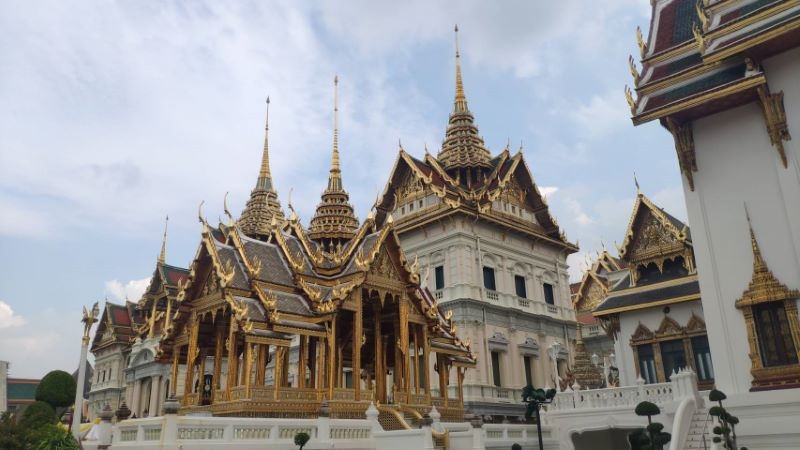
Central
Central Thailand has two main draws for tourists:

- Bangkok: the capital, and a great base for first-timers. Known for food, shopping, temples, and nightlife.
- Ayutthaya: the former capital, about an hour from Bangkok. It makes an easy day trip to wander ancient temple ruins.
East
Pattaya, famous (or notorious) for its nightlife, is the most popular eastern destination.
But there’s more to the east than Pattaya. It has plenty of quieter, more affordable beaches and islands than the south, including:
- Koh Samet in Rayong
- Koh Chang in Trat
- Koh Kood in Trat
West
The west is a mountainous area and my personal favourite, especially Kanchanaburi province. It has waterfall after waterfall, including Erawan and Sai Yok.
The Death Railway is here too. You can take a train from Bangkok to Kanchanaburi in about three hours.
South
The south is beach country, packed with paradise islands. Phuket and Phang Nga are the most popular.
Most of Thailand’s famous beaches are here too: Koh Tao, Koh Samui, Koh Pha Ngan, Koh Phi Phi, Koh Maya, and more.
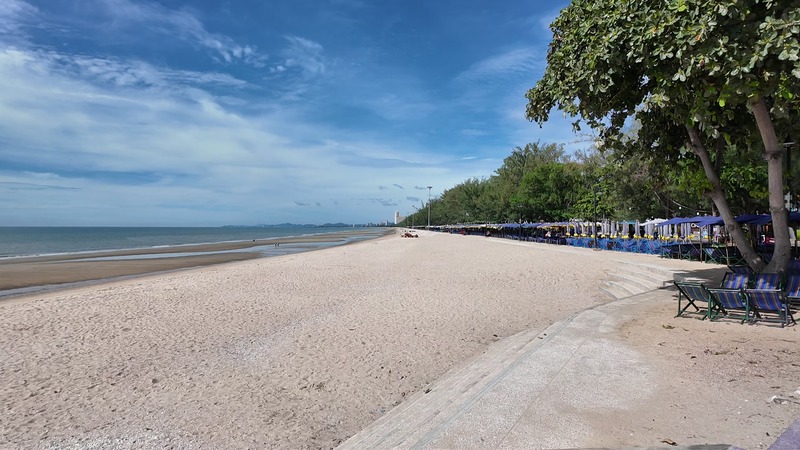
If you want great beaches with fewer crowds, I’d point you to Krabi and Ranong. Hua Hin, a popular retirement town, sits at the northern gateway to the south.
North
The north is mostly mountainous, known for Lanna culture, cafes, and slower travel. Chiang Mai is the most popular destination and something of a digital nomad capital.
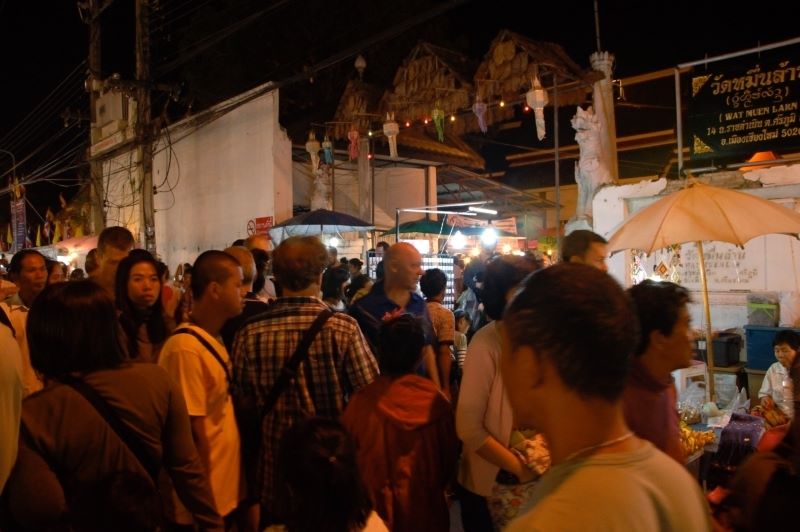
Beyond Chiang Mai, you can visit Chiang Rai for its tea plantations, Mae Hong Son for mountain scenery, and Nan for beautiful rice terraces.
Northeast
The northeast, known as Isan, is Thailand’s largest region. Tourism here is less developed than elsewhere.
Most people who travel to Isan have already visited Thailand several times, or have married a Thai and settled there. The main cities are Khon Kaen, Udon Thani, and Nakhon Ratchasima.
Budget
Travel in Thailand is affordable, but there are also plenty of luxury options, from a THB200 hostel bunk to a villa that costs over THB100,000 a night. Your budget really depends on your travel style.
To give you some rough numbers, here’s what things typically cost:
- Street food: THB60 per meal
- International food: THB300 per meal
- Drinks: THB50 per cup
- In-city transport: THB30 to THB200 per ride
- Intercity transport: THB400 to THB5,000 per ride
- 3-star hotel: THB2,000 to THB3,000 per night
- Entrance fees: around THB200
As a planning figure, expect to spend around THB4,000 per person per day on a standard trip. It can be significantly more or less depending on how you travel.
Paying for Stuff
Thailand is going cashless fast, with QR code payments accepted almost everywhere, but that option mostly isn’t open to tourists.
So most tourists still rely on:
- Cash for small payments
- A credit card for big payments like hotels
If you do want to use QR payments, a few options exist for tourists. One is TagThai, though you’ll need to open an account with Kasikorn Bank first.
ATMs are widely available, but expect a withdrawal fee of around THB220 per transaction.
Read more: Read our guide to QR payments in Thailand to find out more.
Transportation
In big cities like Bangkok, Phuket, Pattaya, and Chiang Mai, calling a taxi with Grab or Bolt is the easiest way to get around.
For mass transit like the skytrain, metro, and airport rail link, only Bangkok has a full network, and it’s worth using given how heavy the traffic is.
Renting a car makes sense if you want to drive between provinces. You can find good deals on a site like Discover Cars.
Motorcycle rental is popular in Chiang Mai and on the islands. If you ride, always wear a helmet and carry a valid license.
Read more: Read our guide to transportation in Thailand to find out more.
Food
There’s no shortage of good food in Thailand. What I usually do is open Google Maps, search for nearby restaurants, and pick one with a 4-star-plus rating from a decent number of reviews.
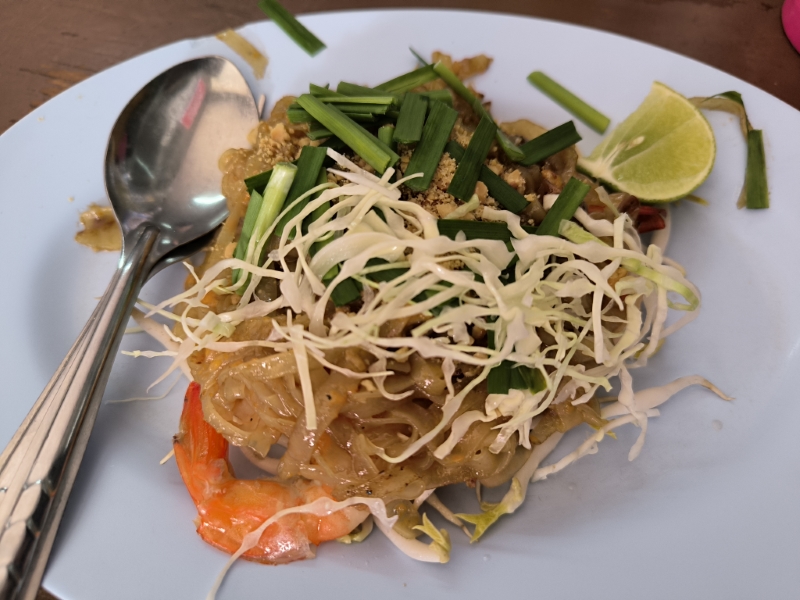
Here are some dishes worth trying while you’re here:
- Pad thai: stir-fried noodles, the classic introduction to Thai food
- Tom yum goong: hot and sour shrimp soup
- Som tam: spicy green papaya salad
- Green curry (gaeng keow wan): a rich coconut curry, usually with chicken
- Massaman curry: milder and slightly sweet, with potatoes and peanuts
- Khao soi: a northern curry noodle soup, best in Chiang Mai
- Mango sticky rice: the dessert everyone falls for
For a quick meal, 7-Eleven is everywhere, and the ham and cheese toasties are a tourist favourite.
Tip: Drink bottled water only to avoid an upset stomach, and skip the free ice in cheaper restaurants if your stomach is sensitive. Smoothies are generally fine.
Thai Culture
A few points of Thai etiquette are worth knowing before you arrive. They help you avoid awkward situations and show respect to the people around you:
- Keep your shirt on in public. It gets hot, but going shirtless isn’t acceptable.
- Dress modestly when entering a temple or any royal site.
- Never speak badly about the royal family.
- Stay calm and avoid shouting or losing your temper in public. Thais value composure.
- Show respect to monks, temples, and Buddha images.
- Be polite when talking to locals. A simple khob khun (thank you) goes a long way.
- Don’t point at people with your feet.
- Don’t rest your feet on chairs or tables in public. It’s considered rude.
Read more: Read our guide to Thai language and culture to find out more.
Useful Apps
Here are the apps worth having on your phone for a trip to Thailand:
- Grab and Bolt for transport. Download them and link a credit card in advance.
- Google Maps for navigation. It’s accurate and even shows bus numbers and metro lines.
- Google Translate with the Thai language pack downloaded ahead of time. You won’t need it much in big cities, where many people in tourism speak English.
- LINE for messaging. It’s Thailand’s WhatsApp, handy for contacting hotels and tour operators.
Emergency Numbers
Keep these numbers saved in your phone:
- Tourist Police: 1155
- Medical emergency: 1669
- Police: 191
- Fire: 199
- Your embassy
- Your travel insurance emergency hotline
- Your hotel front desk
Recommended Service Providers for Tourists in Thailand
- Agoda: book hotels and domestic flights across Thailand, usually at better rates than booking direct.
- Booking.com: one of the largest hotel booking sites in the world, with deep coverage across Thailand.
- Skyscanner: compare flights to Thailand across hundreds of airlines and booking sites to find the cheapest fare.
- Discover Cars: compare car rental deals from multiple companies in a single search.
- Airalo: install a Thailand eSIM before you land, so you’re online the moment you arrive.
- GigSky: another reliable travel eSIM for staying connected without hunting for a local SIM.
- Luma: affordable travel and health insurance with strong coverage at Thai hospitals.
- WorldNomads: popular travel insurance for backpackers and active travelers.
- NordVPN: keep your connection secure on public Wi-Fi and reach home services while abroad.
- Wise: hold baht, pay at the mid-market rate, and cut down on ATM and card fees.
Click here to see a complete list of all services you need as an expat in Thailand.

Recommended Articles for Tourists in Thailand
 A Guide to Preparing for a Trip and Spending Your Vacation in Thailand - Thailand has something for every kind of traveler, from stunning beaches and mountain treks to street food, Muay Thai, and world-class nightlife. This guide covers everything you need to plan… ...
 How to Pick the Best Travel Insurance for Your Thailand Trip in 2026 - Every time I travel to Thailand, I always get travel insurance. While Thailand is known for affordable healthcare, if something happens, I do not want to pay those hefty hospital… ...
 Thailand Tourist Visas: Requirements, Extensions, Costs, and More (2026) - Thailand offers several tourist visa options, from a 30-day visa exemption to single and multiple-entry visas. This guide covers which one fits your trip, what they cost, and how to… ...
 How to Get Cheap Air Tickets to Bangkok - Planning to fly to Bangkok? The gateway to traveling Southeast Asia, Bangkok offers mouthwatering street food, rich culture, non-stop nightlife, top-notch spas, world-class fine dining, intriguing local galleries, and much… ...
 Car Rental in Thailand: Cost, Companies, Insurance & Rules - A complete guide to car rental in Thailand: daily costs, top local and international companies, insurance excess, license rules, accidents, and toll fines. ...
 Thailand Airport Transfers: Costs, Services, Locations, and More! - When arriving in Thailand, you may find yourself in need of an airport transfer, either to another location in Thailand or to a nearby country. Thailand airports have a myriad… ...
 Thai SIM Cards in 2026: AIS vs. True (dtac) vs. eSIM - Thailand's mobile market now runs on two big networks, AIS and True (which absorbed dtac), plus a small state-run option. This guide compares tourist SIMs, eSIMs, and local prepaid and… ...
 Currency Exchange in Thailand 2026: Best Rates & Fees Compared - Skip the airport: get the best currency exchange in Thailand at a SuperRich kiosk. Compare kiosk, bank, ATM, and card costs before you exchange baht. ...
 The Ultimate Travel Guide to Chiang Mai - Chiang Mai is a must-visit city in northern Thailand, known for its temples, affordable living, vibrant food scene, and outdoor adventures. This guide covers everything from where to stay to… ...
 Muay Thai in Thailand: Gear, Gym Reviews, Stadiums, Podcasts, and More - Key Takeaways Bangkok has five active Muay Thai stadiums with ticket prices ranging from free (Channel 7, Sundays) to THB2,500 (Lumpinee), each running fights on different nights of the week.… ...
Latest Articles for Tourists in Thailand
- The Complete Guide to Easy Pass and M-Flow in Thailand (2026)
- How to Open a Thai Bank Account in 2026: Requirements, Best Banks, and Tourist Rules
- A Guide to Bangkok’s Most Underrated Neighborhoods
- Driving in Thailand: Rules, Regulations, and How to Drive Safely
- Motorcycle License in Thailand: Documents, Tests, Fees & Renewal
- Vaccinations for Thailand: Which Ones You Actually Need
- How to Ride a Motorcycle Safely During the Rainy Season in Thailand
- Thailand Digital Arrival Card (TDAC): Requirements, Steps & FAQ
- Thailand Visas for UK Citizens: A 2026 Guide
- Visa on Arrival in Thailand: Who Still Qualifies After the 2026 Overhaul
- Bangkok Bus Guide 2026: Fares, Routes, and How to Ride
- Bangkok Bookstores: Where to Buy, Borrow, and Trade Books
- A Complete Guide to International Driver’s Licenses in Thailand (2026)
- How to Renew Your Car Tax in Thailand: Documents, Costs, and Renewal Options (2026)
- Renting a Car in Phuket: What You Need to Know
- Is Pattaya Safe? Here’s What You Need to Know in 2026
- Is Phuket Safe? Here’s What You Need to Know in 2026
- Gas Stations in Thailand: Fuel Types & EV Charging (2026)
- Domestic Flights in Thailand: Airlines, Routes, and Cheap Tickets
- Non-Immigrant Visas to Thailand: an In-Depth Guide
If you want to read more than just our tourist articles, you can find our full list of guides on this page.