Around 2.2 million foreigners now call Thailand home, one of the largest expat communities in Asia. This is the starting point for anyone making a real decision about living here: a quick orientation to the visa, the costs, the cities, and the daily-life realities, with links through to our in-depth guide on each. For the full step-by-step relocation walkthrough, see our complete guide on moving to Thailand.
Contents
- Visa Options
- A Few Things Worth Knowing About All Visas
- Cost of Living
- Housing
- Banking and Money
- Healthcare
- Working in Thailand
- Best Cities for Expats
- The Expat Trap to Avoid
- Useful Apps for Expats in Thailand
- Recommended Service Providers for Expats in Thailand
- Recommended Articles for Expats in Thailand
- Latest Articles for Expats in Thailand
Visa Options
Getting your visa right is the most important decision you’ll make before you arrive. It sets how long you can stay, whether you can work, and how much ongoing admin you face. The main long-stay routes:
- Destination Thailand Visa (DTV): 5 years, for remote workers and freelancers serving clients outside Thailand. Needs THB500,000 in liquid assets; no work permit for Thai clients.
- Non-Immigrant O-A (retirement): for those 50+, with THB800,000 in the bank or THB65,000 monthly income, plus health insurance.
- Non-Immigrant O (marriage): for spouses of Thai nationals, with THB400,000 in the bank or THB40,000 monthly income.
- Non-Immigrant B (work): for employees of a Thai company, paired with a work permit your employer sponsors and tied to that job.
- Long-Term Resident (LTR): a 10-year visa for higher-income expats, investors, and skilled professionals (Wealthy Pensioner route needs US$80,000 a year in passive income).
- Thailand Privilege: a paid membership (THB650,000 to THB5,000,000) for 5 to 20 years with minimal admin and no bank-balance upkeep.
Read more: Our full guide to Thailand visas covers every option and its requirements.
A Few Things Worth Knowing About All Visas
- The Thailand Digital Arrival Card (TDAC): every foreigner must file it online for free within 72 hours before arrival. Skipping it causes delays at the border.
- 90-day reporting applies to most long-stay visa holders: report your current address to Immigration every 90 days, in person, by mail, or online.
- Re-entry permits (THB1,000 single, THB3,800 multiple) are required before leaving Thailand if you want to preserve your visa extension.
- The visa-run era is over. Since November 2025, air-border exemptions can be denied at officer discretion after two entries, and land-border exemptions are capped at two per calendar year. If you’re living here long-term, get the right long-stay visa.
Cost of Living
Thailand’s affordability is real, but the gap between a budget and a comfortable lifestyle is wide, and so is the gap between cities. Chiang Mai runs around 30 percent to 40 percent below Bangkok, while Phuket and the beach areas track close to Bangkok or higher. Rough monthly ranges for a single expat:
- Tight budget: THB30,000 to THB45,000 a month (basic apartment, local food, public transport)
- Comfortable: THB50,000 to THB80,000 a month (decent condo, mixed food, gym or coworking, occasional travel)
- Premium: THB100,000+ (high-end condo, regular dining out, car, frequent domestic flights)
Couples add roughly 30 percent to 50 percent to the comfortable range; international-school fees can add THB40,000 to THB90,000 a month on top. Budget at least THB80,000 to THB120,000 for setup costs (deposit, first month, furniture) before you arrive.
Read more: Our full cost of living guide for Thailand.
Housing
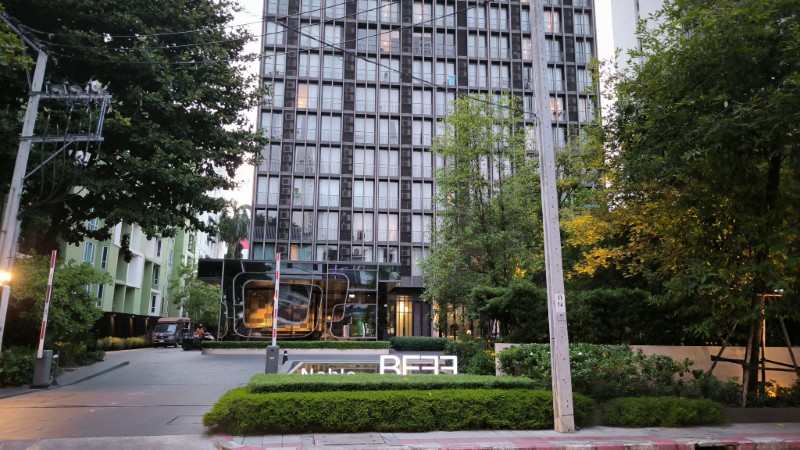
Most expats rent rather than buy, at least at first, and that’s the right call: it lets you test a city and neighborhood before committing. Condos are the popular choice, with houses and townhouses favoured by families and serviced apartments handy for the first month or two.
Typical rentals: a Bangkok studio or one-bedroom near the BTS runs THB10,000 to THB20,000; a Chiang Mai one-bedroom THB6,000 to THB15,000; a Phuket one-bedroom near the beach THB15,000 to THB30,000. Foreigners can own a condo outright (within the 49 percent foreign-ownership quota) but not land directly, so get a property lawyer before buying anything.
Read more: Our guide to buying a condo in Thailand.
Banking and Money
A Thai bank account makes daily life much easier: pay rent by transfer, use PromptPay for QR payments (everywhere now), and skip constant ATM fees. The banks expats use most are Bangkok Bank, Kasikorn (KBank), SCB, and Krungthai. You’ll typically need a passport, a long-stay visa, and proof of address.
For funding it from abroad, Wise is the standard pick (mid-market rates, multi-currency), with Revolut a popular European alternative. Most expats run both: a Thai account for daily life and Wise to top it up, since Thai ATMs charge a flat THB220 per foreign-card withdrawal.
Healthcare
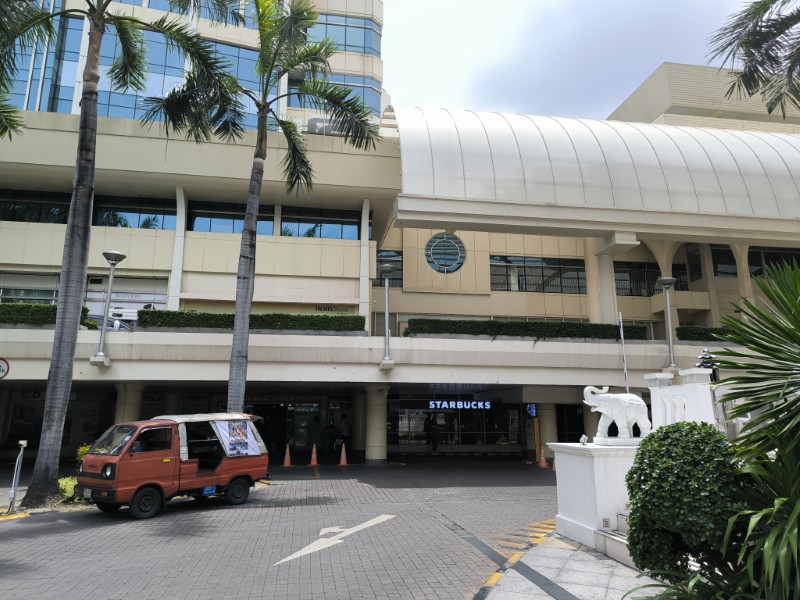
Thailand’s private hospitals are excellent: English-speaking doctors, short waits, modern equipment. The names you’ll hear most are Bumrungrad International, Bangkok Hospital, and Samitivej, while university public hospitals (Siriraj, Ramathibodi, Chulalongkorn) offer excellent doctors at lower cost with longer waits.
The one thing experienced expats all say: get health insurance before something goes wrong. Look for inpatient cover of at least THB400,000 a year, a lifetime renewal guarantee, and specified cancer cover. Commonly used plans include Cigna Global, AXA Thailand, Pacific Cross, and Luma, running from about THB1,500 a month in your 30s to THB8,000 to THB15,000 in your 60s.
Read more: Our Thailand health insurance guide.
Working in Thailand
What you can do for work depends on your visa. Local employment needs a Non-B visa plus a work permit tied to a specific employer, usually at BOI-promoted or multinational firms. Remote work on a DTV must be for clients outside Thailand. Teaching English remains the most accessible entry point, normally requiring a TEFL certificate, with salaries from around THB30,000 a month at language schools to THB80,000 to THB100,000 at international schools.

Read more: Our guide to English teaching jobs in Thailand.
Best Cities for Expats
Your choice of city shapes almost everything about your experience. The honest picture on each:
- Bangkok: the best hospitals, career networks, food, and transit, with the most diverse expat community. The tradeoff is traffic, heat, higher costs, and megacity intensity. Best for professionals and entrepreneurs.
- Chiang Mai: 30 percent to 40 percent cheaper, a strong remote-work scene, great food, slower pace. The tradeoff is burning season (roughly February to April). Best for remote workers, creatives, and budget-conscious expats.
- Phuket: beach access and good infrastructure, with an established expat community around Rawai and Nai Harn. Pricier and tourist-heavy. Best for higher-budget, beach-lifestyle expats.
- Pattaya: genuine value beyond the tourist strip, decent healthcare, and easy Bangkok access (about two hours). The nightlife economy shapes the city. Best for budget-conscious retirees.
- Hua Hin: the quietest of the main expat cities, with clean air and a relaxed pace, three hours south of Bangkok. Fewer options for younger expats. Best for retirees and quieter coastal living.
Read more: Our guide to the best places to live in Thailand.
The Expat Trap to Avoid
Some expats arrive in Thailand and gradually stop engaging. They drink more than they should (cheap alcohol is everywhere and social norms are lax), stop exercising, eat poorly, and settle into a low-effort loop that feels fine for a while and then doesn’t.
It happens more than people talk about, and it’s worth being honest with yourself about the risk before it becomes a pattern. The expats who thrive long-term build genuine structure into their lives: real work or purpose, regular exercise, honest social connections, and continuous engagement with the country they’re actually living in.
Useful Apps for Expats in Thailand
- LINE: how Thais actually communicate. WhatsApp penetration is low here.
- Grab: rides and food delivery, more reliable than Bolt in most cities.
- Google Maps: navigation and restaurant discovery, works well throughout Thailand.
- Wise: money management, multi-currency holding, and ATM withdrawals.
- Google Translate: the camera function is genuinely good for Thai menus, signage, and documents.
- Klook and Skyscanner: for domestic and regional travel. Thailand is one of the best hubs in the world for exploring Southeast Asia cheaply.
Recommended Service Providers for Expats in Thailand
- Wise: receive money from abroad and fund your Thai account at the mid-market rate.
- Cigna: comprehensive international health insurance with lifetime renewal.
- Luma: affordable local health cover that meets visa requirements.
- CheckDi: compare health insurance quotes from several insurers.
- ExpatTax Thailand: advice on the 180-day residency rule and foreign income.
- Airalo: a Thailand eSIM you can install before you land.
- NordVPN: secure your connection and reach home services while abroad.
- Discover Cars: compare car rental deals across companies.
- Agoda: hotels and domestic flights, with discounted monthly stays.
- ThaiPod101: learn conversational Thai at your own pace.
Click here to see a complete list of all services you need as an expat in Thailand.

Recommended Articles for Expats in Thailand
 Health Insurance in Thailand: What You Need to Know as an Expat in 2026 - Health insurance is one of the most sensible investments you can make as an expat in Thailand. This guide walks through your options, what they cover, what they cost, and… ...
 Moving To Thailand: A Guide for Expats to Live Here in 2026 - An in-depth guide to making this Southeast Asian country your new home. ...
 Bangkok Apartments: Rental Prices, Best Areas, and Lease Tips - Real Bangkok rental prices by property type, deposits and lease terms, the documents you need, and the rental scams to watch for before you sign. ...
 Learning Thai for Beginners: A Roadmap and Guide to Every Method - A beginner's roadmap for learning Thai: what to learn first, how to pick a school, tutor, or app, and the mistakes that slow most learners down. ...
 Bangkok Cost of Living: How I Spend 80,658.52 Baht a Month (Update: January 2018) - So, you're thinking about making Thailand your home. It happens to all of us. We come here on vacation. We fall in love with the food and the people and… ...
 Non-Immigrant Visas to Thailand: an In-Depth Guide - Find out all visa options available in Thailand. Foreigners visit Thailand for distinct reasons. Certain visits require a Thai Visa, while some don’t. If you want to stay long-term, this… ...
 Shipping to Thailand: Services, Costs, and Customs - Shipping a letter or package to Thailand? Moving here and need to send all your belongings? Find out how to do it. ...
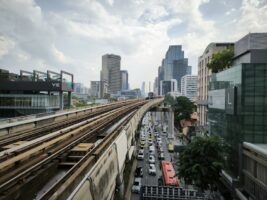 An Expat’s Guide to Finding Work in Thailand - Finding a job in Thailand as a foreigner isn't easy, but it's possible. Discover the requirements, best job sites, salary ranges, and insider tips to land work in Thailand. ...
 Thailand Hospitals: What to Do When You Need Medical Treatment - Thailand's hospitals range from affordable government facilities with long queues to high-end private hospitals that rival the West in quality. This guide covers the main options, costs, and what to… ...
 The Thai Legal System: A Primer for Expats and Tourists - Many visitors and long-time residents of Thailand don't always terribly accurate picture of the legal system. Most of it is probably shaped by what tends to get reported in the media… ...
Latest Articles for Expats in Thailand
- Inheritance in Thailand for Foreign Spouses: What You Keep and What You Must Sell
- Bringing Elderly Parents to Live in Thailand: Visa and Insurance Options
- How to Dispute or Appeal a Rejected Health Insurance Claim in Thailand
- Protected: Thailand’s 2026 Nominee Crackdown: A Property Lawyer on Foreign-Owned Land
- Thailand’s Monsoon and Flash Flood Season: A Safety Guide for Expats
- UK State Pension in Thailand: The Freeze, Claiming, Tax and Visa Rules (2026)
- How to Open a Thai Bank Account in 2026: Requirements, Best Banks, and Tourist Rules
- What Counts as a Pre-Existing Condition for Health Insurance in Thailand
- A Guide to Bangkok’s Most Underrated Neighborhoods
- Currency Exchange in Thailand 2026: Best Rates & Fees Compared
- Vaccinations for Thailand: Which Ones You Actually Need
- Thailand Education Visas: Where and What You Could Study in Thailand
- Teaching English in Thailand: Salaries, School Types, and Staying Legal
- How to Get Thai Citizenship: A Naturalization Guide for Foreigners
- Thai Driving License for Foreigners in 2026: Documents, Tests & Cost
- Grocery Delivery in Bangkok: The Best Apps and Supermarkets in 2026
- Power of Attorney in Thailand: A Guide for Expats
- Thailand Visas for UK Citizens: A 2026 Guide
- Personal Trainers in Bangkok: Prices, Gyms, and How to Choose One
- Bangkok Veterinarians: Emergency Care, Costs, and English-Speaking Vets
If you want to read more than just our expat articles, you can find our full list of guides on this page.