Thailand has quietly become one of Asia’s most accessible places to study, with over 25,000 international students now enrolled across bachelor’s, master’s, and PhD programs. The draw: English-taught programs at universities that rank well in Asia, tuition 50 percent to 70 percent cheaper than the US, UK, or Australia, and a low cost of living. This guide covers the specifics: choosing a university, the ED visa (whose rules tightened significantly in 2025), what it actually costs, housing, and daily life.
Contents
- Choosing a University
- Cost of Living and Tuition
- Accommodation
- Scholarships
- Visa Options
- Health Insurance
- Money and Banking
- Culture
- Working While Studying
- Best Cities for Students
- Recommended Service Providers for Students in Thailand
- Recommended Articles for Students in Thailand
- Latest Articles for Students in Thailand
Choosing a University
For students this is the real decision, and your first step. Your university determines your city, daily costs, social life, and the quality of your degree, so spend time on it. There’s a clear two-tier system: public universities carry more prestige, lower tuition (roughly THB60,000 to THB150,000 per semester for international programs), and more competitive admissions; private universities are easier to get into, with larger international populations and support built around foreign students, but higher fees (around THB80,000 to THB180,000 per semester).
The shortlist most international students look at:
- Chulalongkorn University (Bangkok): Thailand’s number one on QS Asia for 10 years running. Strongest for business, engineering, and humanities.
- Mahidol University and MUIC (Salaya): the leader for health sciences and medicine; MUIC is the well-known route for English-taught bachelor’s degrees. The main campus is 45 minutes west of central Bangkok.
- Thammasat University (Bangkok and Rangsit): strong in political science, law, and economics; most undergrad activity is on the Rangsit campus.
- KMUTT and KMITL (Bangkok): the two strong public engineering universities.
- Chiang Mai University: one of the best public universities outside Bangkok, with a lower cost of living that adds up over a degree.
- Assumption University (ABAC): one of the first international-program universities, known for business; main campus near Suvarnabhumi.
When picking, check the curriculum (universities are known for different things), confirm what’s actually taught in English program-by-program, look at where the campus really is, and gauge the size of the international community. Most English-taught programs want IELTS 6.0+ or TOEFL iBT 79+, though you may be exempt if you’re from an English-speaking country, and some universities offer an intensive English course before the semester.
Cost of Living and Tuition
This is where most prospective students underbudget. Tuition is the headline number, but not the only one. Here are real examples for international students as of May 2026 (subject to change, always recheck with the university):
| Program | Per semester | Full program (4 years) |
|---|---|---|
| Chulalongkorn BBA (CBS) | THB70,000–140,000 | THB997,000 |
| Chulalongkorn International Medicine | THB570,000 | THB2,280,000 |
| Thammasat BBA (TBS) | THB124,600 + summer | THB997,000 |
| MUIC BBA | THB105,000–115,000 | THB1,257,000 |
| ABAC Business Administration | THB145,000 | THB583,050 |
| ABAC Computer Science | THB163,000 | THB653,400 |
| ABAC Aeronautical Engineering | THB394,000 | THB1,577,600 |
On top of tuition, plan for monthly living costs: budget THB15,000 to THB25,000 (dorm or shared room, canteen and street food), comfortable THB25,000 to THB45,000 (private studio condo, mixed dining), and premium THB50,000+. For most international students the comfortable range is the right plan. Budget at least THB80,000 to THB120,000 in startup costs (first-semester tuition plus about 10 percent in fees, a two-month deposit if you rent, visa and travel costs, university health insurance, and supplies).
Good to know: Thai university students typically get THB10,000 to THB15,000 a month from their parents, which usually includes accommodation. Students from wealthier families may get over THB20,000.
Accommodation
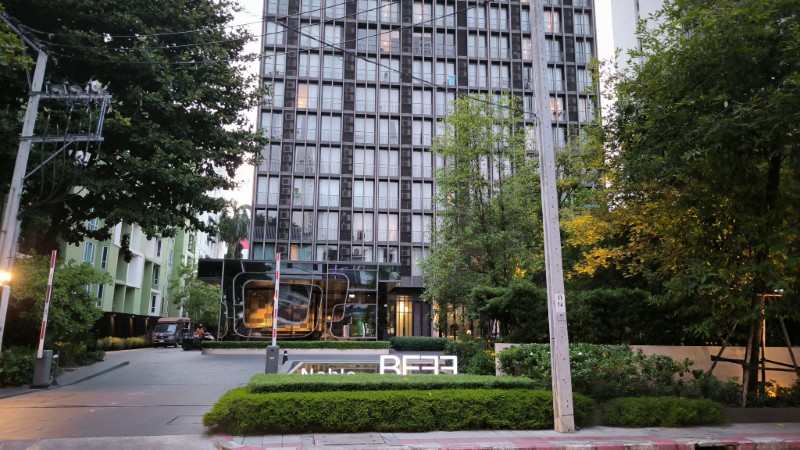
Most international students choose one of two setups. On-campus dormitories are the cheapest and most recommended option, around THB2,500 to THB7,000 a month in Bangkok and less elsewhere, with an easy social life and walking distance to class, though rooms are often shared and fill up fast (apply early). Off-campus, a basic apartment near campus runs THB4,000 to THB6,000 a month, while a studio condo with better facilities runs THB8,000 to THB14,000. A one- to two-month deposit is standard for any rental.
Scholarships
International students can get scholarships in Thailand, and some are excellent, I knew a Vietnamese student who got a full UTCC scholarship covering tuition plus THB10,000 a month for living costs, on the condition of a very high GPA (around 3.7+ out of 4). There are two main sources: government-funded programs (Thailand Scholarships from MHESI, TICA/TIPP, Royal Thai Government Scholarships, and programs from your own country’s government) and university-specific scholarships, listed on each university’s international office page with current deadlines.
Visa Options
The Non-Immigrant ED visa is the visa for studying in Thailand. The main requirement is enrolling in a formal program at a Ministry of Education-recognized institution, after which your school gives you a step-by-step sheet. You can apply from abroad through the Thai E-Visa system (recommended for first-timers) or convert a tourist visa inside Thailand once you have your acceptance letter, though some schools ask you to apply from abroad because it’s easier. You’ll need an acceptance letter, an MOE approval letter (your school files this), a passport valid 6+ months, financial proof (usually around THB20,000), and photos. Your first stamp lasts 90 days; you then extend from inside Thailand, usually up to a year at a time, as long as you stay enrolled.
The 2025 and 2026 Rule Changes You Need to Know
- Mandatory monthly attendance reporting. Every school sponsoring ED visas now files monthly attendance reports through a centralized system. The benchmark is 80 percent attendance, drop below it and your school must flag you, which can get your visa cancelled fast.
- The visa-mill crackdown. Thailand is actively closing language schools that exist mainly to issue visas. Only MOE-recognized schools can sponsor ED visas. If something feels off (cheap fees, vague attendance, no real classroom), trust that instinct.
- The one-language rule. Language students can’t study the same language indefinitely on consecutive ED visas, finish your Thai course and you’ll need to switch to another language to renew. This mainly affects language students, not degree students.
Two more things: every ED visa holder reports their address to Immigration every 90 days, and unless you have a multiple-entry visa, you need a re-entry permit (THB1,000 single, THB3,800 multiple) to leave and return without losing your visa. One more myth to kill: the DTV is not a substitute for the ED visa for a university program. It works for lighter “study” activities like Muay Thai or cooking classes, but no real Thai university will sponsor a degree on a DTV.
Health Insurance
You don’t need health insurance to get the ED visa, but many Thai universities (Kasetsart, Prince of Songkla, Assumption, Rangsit, and others) require it, and many have partnered with insurers to provide a plan. The Kasetsart-approved plan (by Aetna), for reference, costs around THB8,500 a year and covers personal accident up to THB100,000, hospital room and board at THB1,200/day, surgical fees up to THB25,000, and outpatient visits, basic limits by international standards, but generally enough for students. If you want higher coverage, a private plan from an insurer like Cigna costs two to three times more.
Money and Banking
It’s easy to open a bank account as a student here. You’ll generally need your passport, ED visa, university enrollment letter, and proof of address. The easiest place is an on-campus bank branch inside your university, these branches have partnerships with the university (Assumption uses Krungsri, Srinakharinwirot uses SCB).
Tip: once your Thai account is open, use Wise to send money from home to it, then pay for most things via QR payment through your Thai bank app and withdraw from ATMs with no fee.
Culture
Culture shock can be real. Hierarchy and respect for teachers runs deep, direct disagreement with a professor in front of the class is rare, though you can absolutely raise points more softly. Wai Kru Day is an annual ceremony where students show respect to teachers. Uniforms (white shirt, black trousers or skirt) are required at Chulalongkorn, Thammasat, and most public universities, which surprises many international students. And punctuality is flexible, buses, classes, and social plans often run late.
The Thai academic year traditionally runs August to May (some universities May to March), with April the long break and the hottest month, October a shorter mid-year break, and Songkran (April 13 to 15) and New Year as major holidays.

Language and Making Friends
English is widely spoken in international programs and on campus, but it varies a lot off campus. Learning basic Thai makes a meaningful difference, and most universities offer free or discounted Thai classes, take them. One trap: spending all your time with other international students and treating it as an extended study abroad. Thai students can seem reserved but warm up quickly once you make an effort, and university clubs and activities are how most cross-cultural friendships start.
Working While Studying
You cannot legally work in Thailand on an ED visa. That includes paid part-time work, freelance gigs, and most internships not built into your curriculum. Violations can result in deportation, fines up to THB100,000, and a re-entry ban. Some students still do quiet cash work, but that’s entirely at your own risk.
Internships are possible, especially when built into your degree; for internships longer than three months you’ll need a W.P. 3 work permit, and university-funded teaching or research assistantships are usually structured to be compliant. Remote work is a grey area, technically any work performed inside Thailand requires a permit, though enforcement against students doing quiet remote work has been low. After you graduate from a Thai university, your chances of getting a local job are much higher, but you’ll need to switch your ED visa to a Non-B work visa: cancel the ED visa, leave Thailand, apply for the Non-B at an embassy, and re-enter. Many students get jobs through their teachers’ connections, so treat your teachers well.
Best Cities for Students
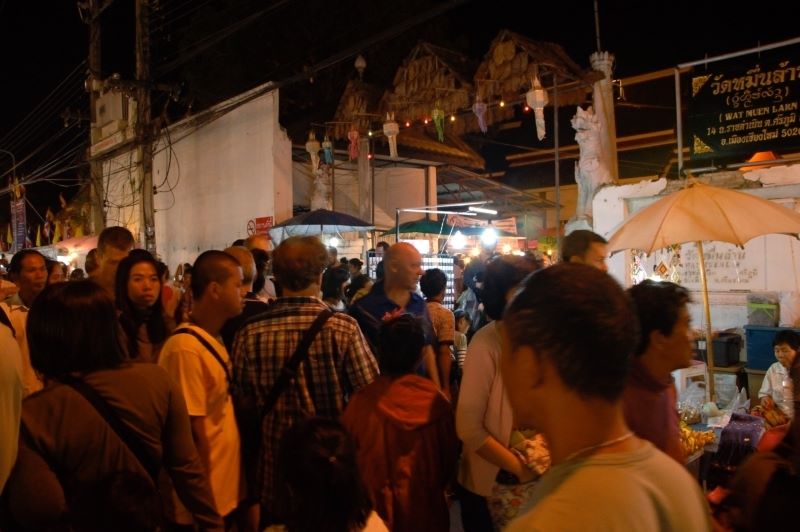
Your city is largely chosen by your university, but here’s what you’re walking into. Bangkok hosts the top universities (Chula, Mahidol, Thammasat, KMUTT, KMITL), with the BTS and MRT making the megacity manageable, an unmatched food and networking scene, but the highest costs, rough traffic, and constant heat. The Pathum Thani / Rangsit area (Thammasat Rangsit, Bangkok University, AIT) is quieter, more student-focused, and cheaper, but 45 to 60 minutes from central Bangkok.
Chiang Mai (Chiang Mai University) has a cooler climate most of the year, a slower pace, and a strong creative community, with burning season (February to April) the main downside. Songkhla and Hat Yai (Prince of Songkla) suit dentistry, halal sciences, and southern culture, with a lower cost of living and cheap weekend trips to Malaysia. Phuket has a Prince of Songkla campus and is best for hospitality and tourism management, though it’s tourist-heavy and pricier.
Recommended Service Providers for Students in Thailand
- Wise: receive money from home and fund your Thai account at the mid-market rate.
- Cigna: upgrade to higher health cover beyond the basic university plan.
- Luma: affordable local health cover.
- ThaiPod101: learn conversational Thai to get more out of daily life.
- italki: one-on-one Thai (or other language) lessons with online tutors.
- Airalo: a Thailand eSIM so you’re online the moment you land.
- NordVPN: secure campus Wi-Fi and access home services and streaming.
- Skyscanner: compare cheap flights home and around the region.
- Agoda: hotels and domestic flights for term-break travel.
- CheckDi: compare health insurance quotes if your university doesn’t provide one.
Click here to see a complete list of all services you need as an expat in Thailand.

Recommended Articles for Students in Thailand
 Study Abroad in Thailand: Universities, Visas & Costs (2026) - A practical guide for international students: how to choose from Thailand's 120+ universities, what English-language programs cost, and how the Non-Immigrant ED student visa works. ...
 Internships in Thailand: Requirements, Preparation, and Application - A practical guide to interning in Thailand: who qualifies, the education visa you need, what interns can be paid, and how to find programs at multinationals like PwC, Accenture, and… ...
 Thailand Education Visas: Where and What You Could Study in Thailand - Learn how to get an education visa in Thailand, including approved study options, requirements, costs, extensions, and key updates after the DTV visa ...
 Recommended International Schools in Bangkok 2026: Costs, Locations, and Choices - Bangkok's most well-known international schools span a wide range of curricula, costs, and locations. This guide covers seven established options, from prestigious IB programs to more affordable international schools. ...
 Learning Thai for Beginners: A Roadmap and Guide to Every Method - A beginner's roadmap for learning Thai: what to learn first, how to pick a school, tutor, or app, and the mistakes that slow most learners down. ...
 How to Send Money to Thailand: The Fast, Cheap, Reliable Way - ExpatDen's complete guide to sending money to Thailand, covering Wise, Remitly, bank transfers, SWIFT codes, and the best method for every situation. ...
 Bangkok Apartments: Rental Prices, Best Areas, and Lease Tips - Real Bangkok rental prices by property type, deposits and lease terms, the documents you need, and the rental scams to watch for before you sign. ...
Latest Articles for Students in Thailand
- A Guide to Bangkok’s Most Underrated Neighborhoods
- Currency Exchange in Thailand 2026: Best Rates & Fees Compared
- Vaccinations for Thailand: Which Ones You Actually Need
- My Motorbike Accident in Thailand: Experiences and Lessons Learned
- Grocery Delivery in Bangkok: The Best Apps and Supermarkets in 2026
- Personal Trainers in Bangkok: Prices, Gyms, and How to Choose One
- Mental Health in Thailand: Costs, Counseling, and Crisis Resources for Expats
- Recommended Thai Language Teachers and Tutors
- How to Pick the Best International Schools in Thailand for Expats
- Thai SIM Cards in 2026: AIS vs. True (dtac) vs. eSIM
- How to Find a Thai Language Partner
- Bangkok Bookstores: Where to Buy, Borrow, and Trade Books
- Why Floundering is Okay When Learning Thai
- Thai Residence Certificate: Cost, Documents & Where to Apply
- Learn Thai Online: Courses, Apps and Tutors Compared (2026)
- SEE TEFL Review 2026: Chiang Mai Course Cost, Curriculum & Jobs
- Non-Immigrant Visas to Thailand: an In-Depth Guide
- Thailand Re-Entry Permit 2026: Fees, Rules, and How to Apply
- My Personal Tricks on How to Learn The Thai Language Fast
- Health Insurance in Thailand: What You Need to Know as an Expat in 2026
If you want to read more than just our student articles, you can find our full list of guides on this page.